
Footwork Patterns in Hapkido for Effective Movement
Hapkido, a dynamic martial art, emphasizes fluid movements and graceful footwork. It relies on specific techniques that enhance mobility and balance. Mastering footwork patterns is crucial because they facilitate effective evasion, striking, and grappling. Practitioners of Hapkido often work diligently to develop their footwork as a foundational skill. Proper foot positioning allows for a strong base and the ability to react quickly to an opponent’s actions. Advanced footwork techniques involve various patterns that adapt to different martial contexts. For instance, sliding and pivoting are critical in maintaining balance while delivering strikes or escaping holds. One must also learn to shift weight correctly to ensure maximum control and force. The importance of footwork in Hapkido cannot be overstated since it creates opportunities for counter-attacks. By understanding and practicing different footwork patterns, students can significantly increase their effectiveness in combat scenarios. Therefore, each practitioner must integrate footwork drills into their training. This consistent practice builds muscle memory, allowing movements to become instinctual during sparring sessions, which is vital for real-life confrontations.
Good footwork directly influences a Hapkido practitioner’s ability to engage effectively. The unique patterns employed allow for swift transitions between offensive and defensive actions. A solid understanding of these movements can tilt the balance of any confrontation in one’s favor. In Hapkido, several essential patterns must be mastered. Notably, the crescent step assists in approach and retreat, providing advantageous angles for attacks. Similarly, the cross-step and cat stance help maintain stability while allowing for quick adjustments. These stances also enhance the practitioner’s ability to evade incoming strikes efficiently. Therefore, every student should spend ample time practicing these patterns. Regular drills improve the agility necessary for effective body movement. As practitioners become proficient in footwork patterns, they will find increased speed and accuracy in their techniques. This development serves not just for attacking but equally for defending against various threats. Additionally, practitioners should explore how each pattern applies to different techniques within Hapkido. This multidimensional understanding will support their overall skill development in the art.
Importance of Weight Distribution
Addressing weight distribution is vital in Hapkido footwork. Effective movement is predicated on how weight is managed during transitions. When moving, the practitioner must understand which foot to plant first, ensuring stability during techniques. For instance, in a defensive maneuver, distributing weight correctly can lead to quicker reactions. As you learn to pivot efficiently, remember that maintaining even weight on both feet permits balanced recovery after executing a strike. Moreover, transitioning weight while executing kicks or throws is equally crucial for successful techniques in Hapkido. Calculating weight correctly enhances the body’s natural response to an opponent’s movements, allowing for excellent counter-holds and swift shifts during combat. The application of proper foot placement will often dictate the success of a technique. Practicing weight distribution using footwork drills enhances the ability to react instinctively. This practice builds both confidence and proficiency in Hapkido. Hence, one should regularly incorporate weight distribution drills alongside footwork practice. Having a firm grounding in these principles may provide a distinct advantage during engagements, supporting effective movement and decision-making in high-pressure situations.
Footwork also plays a critical role in enhancing one’s strategic thinking. In Hapkido, you are encouraged to observe your opponent carefully and react accordingly. This process begins with understanding where to place your feet, creating angles that disrupt their balance while simultaneously protecting your own. The ability to move fluidly allows a practitioner to remain unpredictable. Consequently, understanding various foot patterns translates into intelligent tactical choices in combat. When a practitioner can position themselves accurately, it opens avenues for potent counterattacks and defensive maneuvers. These strategies must flow logically from the foot patterns learned previously, allowing Hapkido to function dynamically. Practitioners of all levels are encouraged to innovate based on their understanding of footwork. Personalizing footwork patterns can lead to more engaging, effective sparring sessions. Different situations demand different responses, and being well-versed in diverse movements prepares a practitioner for unpredictability. Therefore, students must continually strive for progress and adaptability. By fostering awareness of movement, every practitioner can elevate their game in Hapkido, achieving personal goals and greater mastery of the art.
Drills to Enhance Footwork
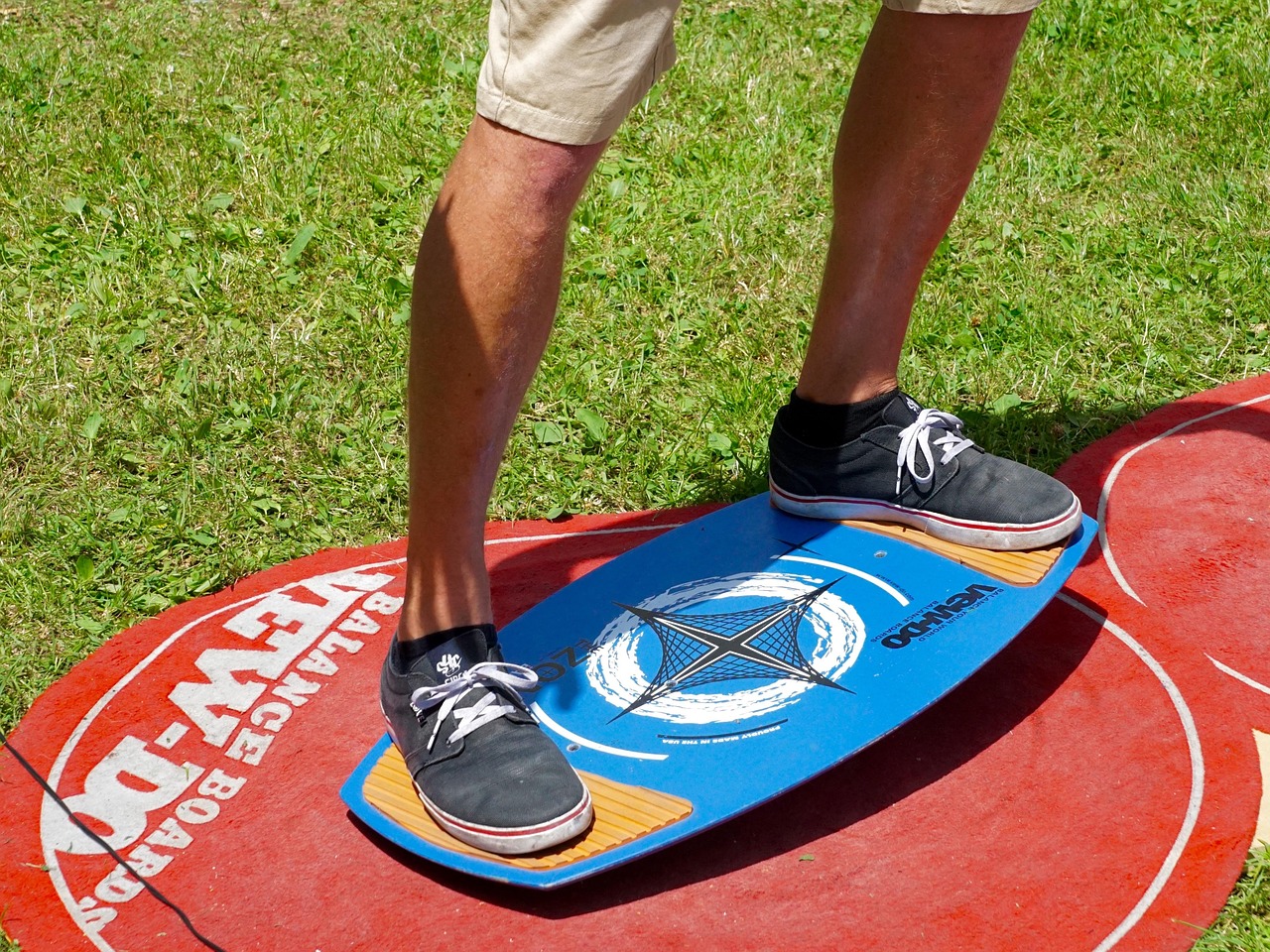
To solidify footwork skills, specific drills are highly effective for Hapkido students. Starting with basic footwork drills emphasizes the foundational elements essential for mastery. Simple ladder drills encourage quick and nimble foot placement, promoting agility. Practitioners should gradually integrate their learned movements into more complex sequences. High-impact drills, like shadow fighting, help students internalize footwork patterns as they satiate their need for live-action practice. Incorporating footwork into traditional techniques provides realism crucial for effective learning. Therefore, pairing spacing drills with technique application enhances muscle memory significantly. Another effective approach involves partner drills where students practice footwork in a controlled environment. Using a partner allows for a live opponent while focusing on movement and reaction. Additionally, practicing footwork against an opponent provides instantaneous feedback, allowing adjustments and improvements in real-time. Students should also explore agility training, which enhances overall coordination. Balance boards can be beneficial too; they challenge stability and weight distribution, which are vital in Hapkido. This holistic approach develops versatile and adaptive fighters ready for diverse scenarios, enhancing both confidence and performance during practice and competition.
Another crucial aspect involves visualization techniques that enhance footwork techniques in Hapkido. Practicing mental visualization allows students to run through footwork scenarios in their minds. Responding to imagined opponents’ movements sharpens reflexes and aids retention. By mentally rehearsing footwork combinations, practitioners can create new neural pathways that enhance reaction time. This practice complements physical training and can be invaluable when facing an actual opponent. Knowing how to adjust movements based on visualized scenarios helps solidify understanding and adaptability in live situations. Practitioners should prioritize visualizing their latest lessons, embedding the footwork into their practice. Moreover, understanding the martial art’s philosophical underpinnings assists in achieving a more profound connection to techniques. Applying this knowledge during training can foster a deeper appreciation for the art and enhance footwork execution. When students align their mental and physical practices, they will likely see notable improvements in their performance. Therefore, incorporating visualization into regular training enhances proficiency and leads to an enriched martial arts experience. Ultimately, the synergy between mental visualization and physical practice is pivotal for effective footwork in Hapkido.
Conclusion: Mastering Footwork for Success
In conclusion, mastering footwork patterns in Hapkido is essential for effective movement and overall success in the art. Participants are encouraged to incorporate various techniques that solidify the fundamentals of their training. The holistic approach should address weight distribution, strategic placement, and constant practice through structured drills. Moreover, leveraging visualization techniques plays a vital role in developing mental agility. This combination will help practitioners achieve balance and effectiveness in sparring and real-life scenarios. Hapkido’s unique methodologies require students to adapt dynamically to changing environments. Therefore, the focus on footwork should resonate through different aspects of one’s training, from developing speed and agility to enhancing technique. Putting these principles into practice ensures students can engage their opponents decisively while maintaining stability. As each practitioner embraces the intricacies of Hapkido, they will witness improvements from mastering footwork movements. Consequently, this groundwork will lead to not only technical excellence but also growth in self-confidence. With continuous practice and commitment to these principles, one can master footwork and attain proficiency in Hapkido quickly. Embracing these qualities positions individuals as skilled practitioners in any combat setting.
As they embark on their journey in Hapkido, participants should always remember that mastering footwork requires diligence and dedication. By embracing the complexities of movement, students develop their martial arts skills holistically. Fostering an understanding of footwork will empower every practitioner to adapt swiftly and effectively in combat situations. As they delve deeper into their training, practitioners will continuously refine their abilities through consistent practice and exploration of techniques. Ultimately, this will pave the way for notable advancements in Hapkido. Emphasizing footwork as an integral component of martial arts training nurtures both practical skills and personal growth, enriching the journey for every student. Therefore, starting with a strong foundation in footwork patterns is vital for anyone pursuing excellence in Hapkido. Building upon these skills fosters improvement throughout their martial arts journey. All practitioners will appreciate the impact well-executed footwork has on their success and overall effectiveness. Hence, every Hapkido student should commit to mastering the art of movement as part of their training. By doing so, they not only prepare for the rigors of practice but also cultivate a deeper connection to Hapkido as a lifelong pursuit.