
Innovations in Biometric Sensors for Sports Performance
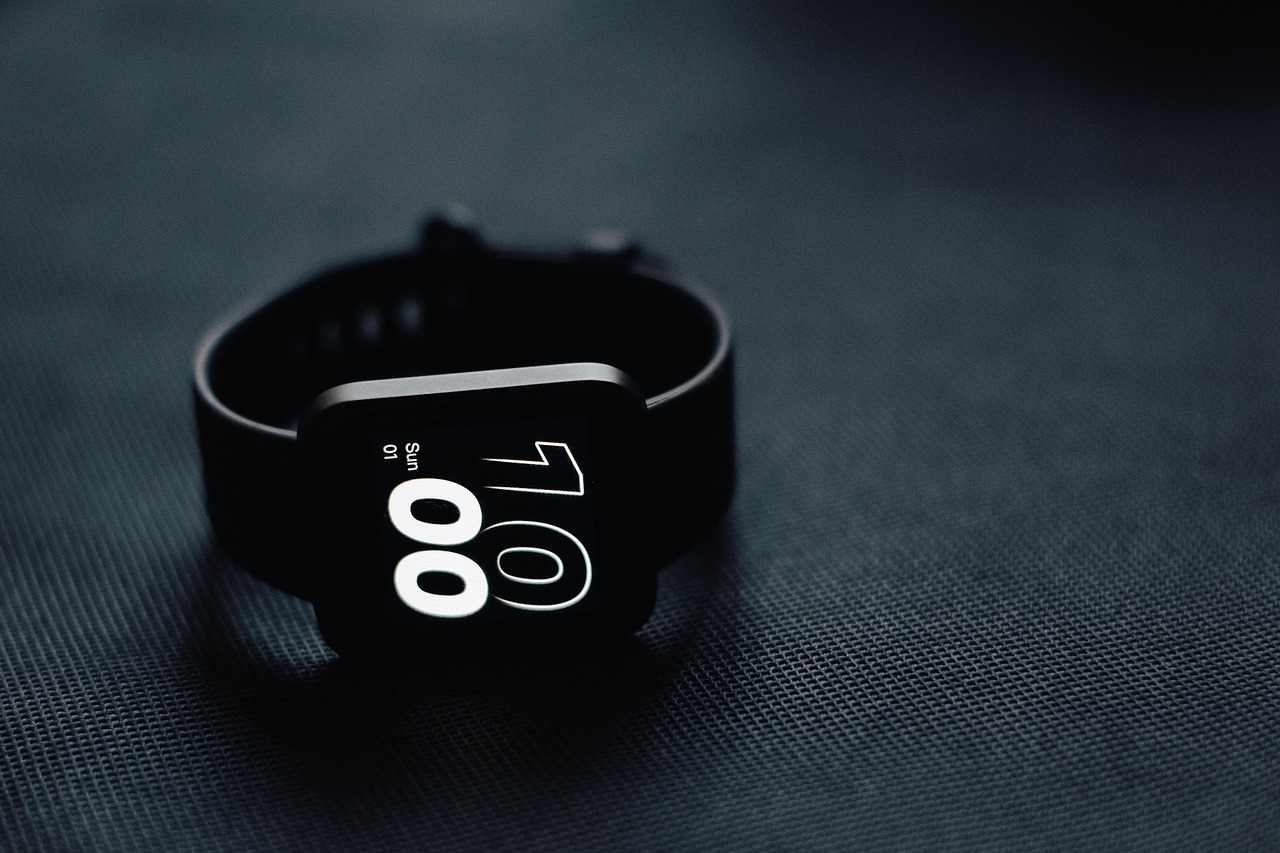
The evolution of wearable technology has dramatically transformed competitive sports, integrating advanced biometric sensors that enhance performance tracking. Athletes now rely on a range of devices, from smartwatches to specially designed sports gear, to gather data on their physiological metrics. These sensors monitor heart rates, oxygen levels, and even sweat analysis, providing instant feedback. They assist trainers in assessing an athlete’s condition during training and competition. Innovations in sensor technology have made these devices smarter and more accurate than ever. Increased connectivity supports real-time data sharing between athletes and coaches, improving the training process. Additionally, these wearables can analyze movement patterns and biomechanical errors, encouraging better execution during sports activities. As athletes seek to maximize performance, the perspective of integrating data analytics with physical training practices becomes vital. The use of data allows for personalized training routines tailored to individual athlete needs. Moreover, innovations in biometric sensors are paving the way for breakthroughs in injury prevention by monitoring fatigue levels and detecting potential physical strains. This revolutionary technology not only elevates athlete performance but also revolutionizes how sports are experienced by fans worldwide.
One of the most significant innovations in sports wearable technology is the development of advanced heart rate monitors. These devices provide accurate readings of an athlete’s heart rate variability, helping coaches and athletes to optimize training intensity. Coupled with GPS capabilities, heart rate monitors enable more effective distance and performance analysis. For example, they can calculate the optimal heart rate zones, ensuring athletes train within their peak performance levels while avoiding overexertion. This functionality is crucial, especially in endurance sports such as running and cycling, where pacing is essential. By continuously measuring heart rate, athletes receive insights into their cardiovascular fitness and recovery progress. The combination of heart rate data and motion sensors creates a comprehensive profile of how an athlete performs during various activities. Many of these devices can sync effortlessly with smartphones, enabling athletes to analyze their performance metrics. This integration encourages a more engaging training experience through user-friendly mobile applications. Furthermore, ongoing advancements in battery life and sensor accuracy ensure these wearables remain reliable companions during rigorous training sessions. Ultimately, heart rate monitors exemplify how technology enhances our understanding of athletic performance.
Impact of Motion Capture Technology
Another groundbreaking innovation is motion capture technology, which quantifies an athlete’s movements with impressive precision. Wearable sensors equipped with gyroscopes and accelerometers track speed, angle, and trajectory during physical activities. This data is invaluable for coaches aiming to refine techniques or develop training programs tailored to improve specific skills. High-performance athletes benefit significantly from motion analysis, as biomechanics help identify vulnerabilities in their performance. For instance, a basketball player can analyze their shooting form, adjusting for optimal angles that lead to better shot accuracy. Sports scientists utilize motion capture analytics to simulate performance scenarios, allowing athletes to visualize potential improvements. In addition, motion capture technology supports rehabilitation by providing feedback on motor skills. Athletes recovering from injury can use these insights to gain a clearer understanding of their physical capabilities. Furthermore, technology companies are partnering with sporting organizations to create customized systems that cater to the unique needs of various sports. By leveraging motion capture data, athletes can achieve success, as it creates a pathway to continuous improvement and innovation.
Sleep tracking devices have emerged as crucial tools in understanding and enhancing athletic performance. Recovery is vital for athletes, and understanding how well they sleep can impact performance metrics on the field. Devices equipped with sleep monitoring capabilities track sleep quality, duration, and patterns, providing athletes insights into their recovery stages. Armed with this data, trainers can identify patterns related to performance dips and correlate them with sleep trends. Furthermore, understanding sleep cycles enables athletes to optimize their rest periods according to personal needs, improving overall performance. These insights allow for strategic planning of training intensity and routines to ensure proper recovery. For instance, athletes undergoing scheduled competitions can manage their sleep in preparation for peak performance. The integration of artificial intelligence within some sleep tracking devices offers personalized recommendations. This technology dives deeper into sleep analysis, suggesting optimal sleep schedules based on individual lifestyle factors. The awareness generated by sleep tracking can also lead to behavioral changes that promote better sleeping habits. As a result, athletes effectively leverage these devices to bolster their performance, as enhanced recovery is inherently linked to their physical success.
Smart Apparel Revolutionizing Training
The advent of smart apparel is revolutionizing how athletes approach training and performance optimization. Incorporating biometric sensors directly into fabric allows for unobtrusive monitoring of various physiological metrics, including heart rate and temperature. This seamless integration lets athletes train without the need for bulky equipment while still gaining essential feedback. Moreover, smart textiles can detect muscle exertion levels, offering insights that help in refining training techniques and maximizing efficiency. Enhanced comfort and functionality mean that athletes can focus on performance without distractions. These innovations in apparel not only track metrics but also promote athlete health and well-being. For example, some garments feature moisture-wicking technology that helps regulate temperature during intense activities. Additionally, the introduction of electronic textiles has made real-time data streaming possible, enabling coaches to receive instant updates on athlete performance. This real-time feedback can influence immediate coaching decisions, making it a vital tool in training sessions. Furthermore, smart apparel has implications in injury prevention by providing alerts based on abnormal exertion patterns, helping athletes to avoid undue strain.
As the demand for seamless integration of wearable technology increases, innovations in battery life and data processing capabilities are vital. Advanced energy-efficient designs enable wearables to function independently for longer periods without frequent recharging. This development is particularly important in competitive sports, where steady performance tracking is essential. The emergence of low-power sensors and faster data processing units has made it possible for wearables to provide consistent feedback in real time. Additionally, improvements in cloud computing allow for vast amounts of data storage and analysis. Athletes can keep a detailed log of their performance over extended periods, permitting nuanced analysis. Cloud-based solutions also encourage collaboration between athletes and trainers, ensuring that adjustments based on performance metrics can be made. The ability to process data rapidly is vital for competitive sports, as it empowers athletes to make timely decisions regarding training and strategy. Future trends point towards even more sophisticated algorithms that predict performance outcomes based on historical data. This predictive analysis will lead to significant improvements in athlete training regimens, enhancing overall performance.
The Future of Wearable Technology in Sports
Looking ahead, the future of wearable technology and biometric sensors in competitive sports appears promising. The ongoing advancements in artificial intelligence and machine learning will further enhance the capabilities of these devices. Anticipated breakthroughs include enhanced data analytics, which will provide richer insights into athletic performances and training effectiveness. As technology evolves, expect to see more personalized experiences tailored to individual athletes’ unique needs. Anticipating and adjusting training protocols based on sensor feedback will help athletes to maintain peak performance continually. Moreover, collaborations between tech companies and sports organizations will lead to more innovative solutions targeting specific sports needs. With ongoing research and development, improvements in device accuracy and functionality will allow for cheaper options that are accessible to various athletes. As wearables become a standard part of an athlete’s toolkit, the integration of these devices into training regimens will continue to evolve. Ultimately, the marriage of athletic skill and technological innovation will redefine the future landscape of competitive sports, creating opportunities for athletes to broaden their potential and achieve remarkable feats.
In conclusion, innovations in biometric sensors, motion capture technology, sleep tracking, smart apparel, and data integration are pivotal in enhancing athletic performance. As wearables become fundamental in sports, the focus on health and well-being establishes a solid foundation for success. Their continual development showcases a commitment to providing athletes with tools that optimize every aspect of training and performance. The insights provided by these technologies empower inside and outside training sessions. Continued research prioritizes athlete health alongside performance enhancement, ensuring safety remains paramount. The advent of personalized data analytics allows for improvements and strategic adjustments to training regimens, leading to significant advances in sports performance. These technologies are set up to create a new era for athletes, where performance is maximized while minimizing the risk of injury. Looking forward, further advancements in artificial intelligence and machine learning will refine these dynamics, creating an inspiring and highly efficient sporting ecosystem. As both athletes and fans continue to embrace these innovations, the competitive sports landscape will see dramatic transformations in how performance is measured, analyzed, and ultimately executed in real-time.