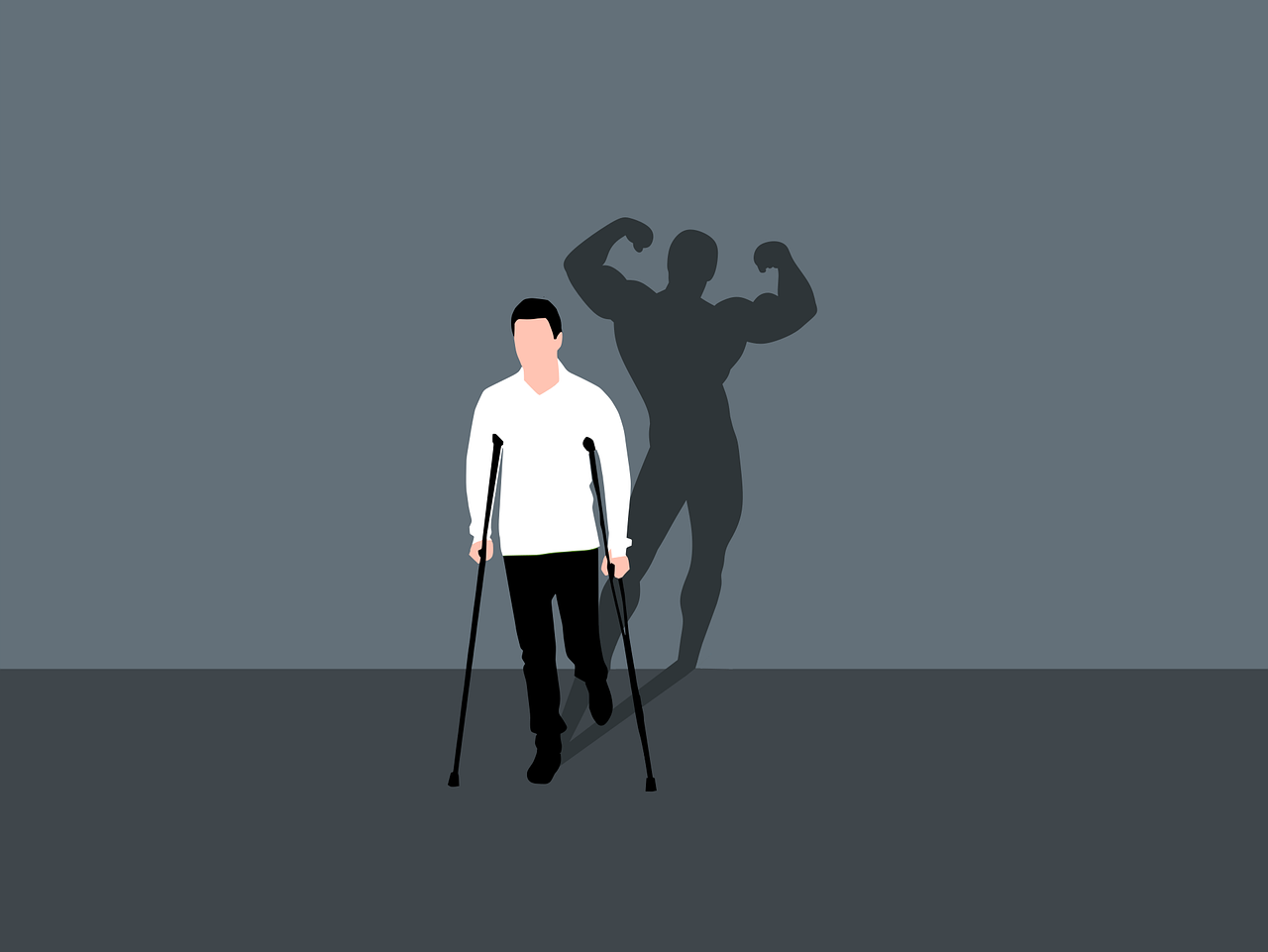

Motivation Techniques to Enhance Rehabilitation Outcomes
Enhancing rehabilitation outcomes requires a multifaceted approach that focuses on motivation as a central element. Motivation in rehabilitation can significantly influence a patient’s commitment to the prescribed regimen, which often includes physical therapy and lifestyle changes. To harness this potential, practitioners can employ various techniques that encourage individuals to take an active role in their recovery. Setting specific goals is one such strategy. Patients should develop both short-term and long-term objectives that are personally meaningful. Furthermore, it is essential to track progress, allowing them to visualize their achievements. Engaging in regular, open communication with healthcare providers also fosters motivation. When patients feel heard and understood, their intrinsic motivation typically improves. Social support from family and friends plays a vital role as well; sharing experiences and encouraging words provide additional empowerment. Additionally, integrating enjoyable activities within rehabilitation programs can transform challenging exercises into something patients look forward to, therefore enhancing adherence. Ultimately, by implementing these techniques in any rehabilitation setting, healthcare providers can promote greater self-efficacy and positive outcomes for their patients.
Another effective method to boost motivation refers to incorporating technology into rehabilitation practices. Mobile health applications, wearable devices, and telehealth platforms can empower patients to monitor their own progress independently. These tools often come equipped with notifications and reminders that serve as daily prompts, assisting individuals in adhering to their rehabilitation programs. Furthermore, digital platforms allow users to connect with others who share similar rehabilitation goals, thereby fostering a sense of community. These communal experiences can circumvent feelings of isolation, replacing them with camaraderie and shared challenges. Moreover, understanding the patient’s intrinsic and extrinsic motivators can help tailor rehabilitation plans. While some individuals may be driven by personal achievements or improvement in physical health, others may find motivation through social recognition or rewards. Consequently, health professionals should take the time to identify and integrate these motivators within the treatment plan. Educating patients on the importance of rehabilitation and the potential benefits can also play a vital role in enhancing their motivation. By consciously excelling at these strategies, practitioners can significantly uplift the rehabilitation experience.
Creating Supportive Environments
Creating a supportive environment is crucial for enhancing rehabilitation outcomes. Both physical spaces and emotional atmospheres contribute significantly to the patient’s recovery journey. Practitioners should ensure that the rehabilitation spaces are welcoming, well-lit, and accessible to individuals with various needs. Equally important is fostering a positive emotional environment through encouragement, empathy, and understanding. When patients enter a space where they feel supported and understood, they are more likely to engage actively in their rehabilitation efforts. Group therapy sessions can also provide a supportive atmosphere, allowing patients to connect with others facing similar challenges. This sense of belonging can be a powerful motivator for individuals, making it easier to share experiences and strategies. Additionally, recognizing achievements, no matter how small, fosters a supportive atmosphere that reinforces motivation. Healthcare providers should celebrate milestones together with patients, thereby creating an environment full of appreciation. Encouragement from peers and family members should also be actively sought and nurtured, reinforcing positive reinforcement. Ultimately, a supportive environment lays the groundwork for success in rehabilitation.
Another essential factor lies in the use of imagery techniques that can help improve motivation during rehabilitation. Visualization strategies involving mental imagery allow patients to imagine themselves successfully executing their rehabilitation exercises. This technique is particularly beneficial as it reinforces the idea that improvement is possible. Moreover, engaging deeply with these mental images can create a sense of accomplishment before physical engagement. Practitioners can guide patients through specific visualization exercises that highlight key improvements and achievable goals. Further, educational workshops that teach patients these imagery techniques can enhance their skills and provide an additional dimension to their recovery process. Combining this method with techniques like mindfulness can lead to sustainable change, establishing a mental connection that promotes motivation. Understanding that rehabilitation involves not only physical but also mental aspects can shift a patient’s perspective. This holistic view encourages patients to embrace their full potential and confront challenges with determination. By effectively incorporating imagery and mindfulness into rehabilitation practices, healthcare professionals can foster an environment conducive to improvement. This dual approach integrates both mind and body.
The Role of Education in Rehabilitation
Education is a fundamental motivator in rehabilitation contexts, significantly affecting patient outcomes. Patients must be informed about their conditions, rehabilitation process, and expected outcomes for true engagement to occur. By understanding the ‘why’ behind their rehabilitation, patients are more likely to take ownership of their recovery. Educational sessions that outline both the physical and psychological aspects of rehabilitation can strengthen this understanding. Moreover, involving patients in setting goals and creating rehabilitation plans instills a sense of agency and autonomy. When patients feel they are active contributors rather than passive recipients in treatment, motivation typically increases. It’s also beneficial to incorporate educational materials such as pamphlets, brochures, and online resources that patients can access whenever needed. This exists as a tool for them to reference as they navigate through their rehabilitation journey. Additionally, workshops or group sessions can present opportunities for patients to ask questions and clarify doubts, further enhancing their understanding. Effectively educating patients promotes wellbeing, factual awareness, and resilience, thereby reinforcing motivation significantly throughout rehabilitation.
Another innovative strategy involves promoting self-advocacy among patients in their rehabilitation process. Encouraging individuals to express their wants, needs, and preferences fosters a sense of empowerment. When patients can articulate their concerns and questions, they tend to engage more fully in their recovery. Self-advocacy not only helps them navigate their rehabilitation journey but also promotes collaboration with healthcare providers. Engaging in shared decision-making fosters a partnership where both parties work collaboratively toward common goals. Additionally, healthcare professionals should actively solicit feedback from patients regarding their treatment plans, which underscores the importance of their input. Workshops designed to teach self-advocacy skills can provide practical tools that will serve patients, aiding them in articulating their needs effectively. These workshops can also encourage the development of assertiveness, interpersonal skills, and critical thinking. Ultimately, by fostering self-advocacy, healthcare providers create a culture of respect and partnership, reinforcing the patient’s role as an active participant in their rehabilitation. This approach emphasizes the importance of the patient’s voice, empowering them throughout their recovery.
Conclusion: Fostering Lasting Motivation
In conclusion, fostering lasting motivation is a vital component in achieving successful rehabilitation outcomes. By integrating various strategies such as goal setting, technology, supportive environments, and education, healthcare providers can enhance patients’ engagement in their rehab processes significantly. The psychological aspects of motivation play a critical role in healing, with techniques like visualization, mindfulness, and self-advocacy further reinforcing this engagement. Each patient is unique; hence, practitioners must personalize their strategies to align with individual motivations and preferences. An ongoing dialogue between patients and healthcare professionals ensures this personalization, creating a culture of trust and empowerment. Moreover, ongoing education throughout the rehabilitation process is crucial for maintaining a high level of motivation. Ultimately, addressing the motivational needs of patients transforms rehabilitation programs into more successful and fulfilling experiences. The collaboration between healthcare providers, patients, and their support systems solidifies the foundation upon which successful rehabilitation is built. As a result, not only do patients overcome their challenges, but they also develop the resilience and skills necessary for future endeavors in health and wellness.
This can lead to sustainable changes in their overall lifestyles, resulting in a more comprehensive approach to health and wellness. Understanding the intersection of psychology and rehabilitation empowers not only the patient but the entire support system working alongside them. Motivational techniques should be viewed as an evolving process within rehabilitation frameworks, continually adjusted to meet changing needs. Consistently revisiting motivational strategies is essential for fostering ongoing engagement and responsiveness, ultimately driving better results. Through an integration of various motivational approaches, rehabilitation can achieve not only accelerated recovery but also lasting change in behaviors and attitudes. The potential for transformative outcomes in rehabilitation hinges on the dedication of healthcare providers to creatively apply motivational techniques tailored to each patient. They must strive to provide encouragement and validation while navigating the complexities associated with psychological aspects. Building a synergistic environment where motivation thrives is crucial for individuals during their rehabilitation journeys, encouraging growth and resilience. By effectively incorporating these techniques, we can ensure that patients are truly equipped for success, enhancing their recovery experience while enhancing their overall wellbeing in every aspect of their lives.