
Navigating Different Terrains with Inline Skates
Inline skating offers an exciting challenge for outdoor enthusiasts. Mastering various terrains is vital for enhancing your abilities and enjoying different sites. Whether in parks, urban streets, or scenic trails, understanding how to manage each environment is essential. The right technique can improve both your safety and enjoyment. One of the first things to remember is to check your equipment. Make sure your inline skates are robust and fit well. Additionally, wearing safety gear is crucial to protecting yourself. This encompasses helmets, knee pads, wrist guards, and elbow pads. They provide valuable protection while you master different maneuvers. Besides safety, assessing the terrain types is fundamental. Different surfaces impose various challenges. Smooth concrete allows for faster speeds, while rough surfaces require better balance and control. Learning to adjust your stance can optimize your skating experience. Practicing maneuvers like turning, stopping, and dodging obstacles is recommended. Familiarizing yourself with different terrains will build confidence and skill. Inline skating will help improve overall fitness and coordination, enriching your outdoor experiences. Moreover, you’ll explore new areas while being active in a fulfilling way. Consider joining a local skate club for support.
Adjacent to mastering techniques is understanding how to handle varying inclines. Uphills challenge your stamina and strength while downhills require exceptional control. To ascend hills, employ a solid skating posture by leaning forward slightly and keeping your knees bent. Keeping your body aligned helps maintain momentum. Gradually increase the the use of your leg muscles to power through those challenging climbs. On the other hand, descending requires careful speed management. Begin by positioning your feet parallel and utilize controlled turns. A ‘T-stop’ is an efficient way to slow down on declines, wherein one skate is positioned perpendicular to the other, creating friction with the ground. Always ensure your weight is distributed evenly during these movements. Practice will also help build confidence in navigational techniques. Training in a controlled environment will allow you to focus on mastering these skills. Additionally, consider guidance from experienced skaters or instructors who can provide tips for safety. Intermediate skaters also benefit from focusing on their center of gravity to maintain better balance. Practicing on downhill courses will help refine quick reflex responses and improve stopping techniques for unexpected emergencies.
Handling Obstacles and Urban Terrain
Urban skating presents unique challenges due to sporadic obstacles and varying surfaces. Learning how to effectively navigate these areas will greatly enhance your skating experience. Potholes, cracks, and curbs are common in cities, requiring practiced maneuvering. To approach obstacles, lean slightly forward for balance while maintaining a low stance. This will help you absorb shocks and react quickly. When encountering traffic, knowledge of hand signals is essential for communicating with drivers. Practicing stopping in variable conditions is crucial for urban skating safety. A good strategy involves slowing down before a potential obstacle to have ample response time. Additionally, practicing jumps and grinds can be fun ways to navigate urban structures. Aim to become comfortable jumping over small impediments as they arise. Always keep an eye on the ground for potential hazards. Wearing safely fitted skates will minimize injuries when learning various tricks in an urban environment. Popular cities offer skate parks specifically designed to practice skills without high risks. Engaging with fellow skaters allows you to learn new techniques while also enjoying the urban landscape together.
While mastering both uphill and downhill techniques, consider the potential of varied outdoor terrains. Trails and park paths provide an opportunity to explore different skating experiences in serene environments. A scenic route can enhance your emotional connection to skating, making each ride enjoyable. Nature trails often require good stamina due to uneven terrains, which tests your agility and coordination. These paths may include gravel, dirt, and sand, all of which impose unique challenges. It’s vital to choose the right wheels made for specific terrains. Soft wheels typically offer better grip, while harder wheels glide more seamlessly on smooth surfaces. Understanding the weather conditions is also crucial. Rain can make surfaces slippery, adversely affecting traction. Always check the forecast before heading out. Additionally, consider timing your skating sessions for early mornings or evenings to avoid harsh sunlight. Riding in appealing environments can uplift your mood, allowing for a more relaxed skater mindset. Building relationships with fellow skaters in these spaces can enrich the experience. As you navigate these various environments, continually assess your skill set and adjust your training to enhance your enjoyment and expertise.
Leveraging Techniques for In-Line Skating
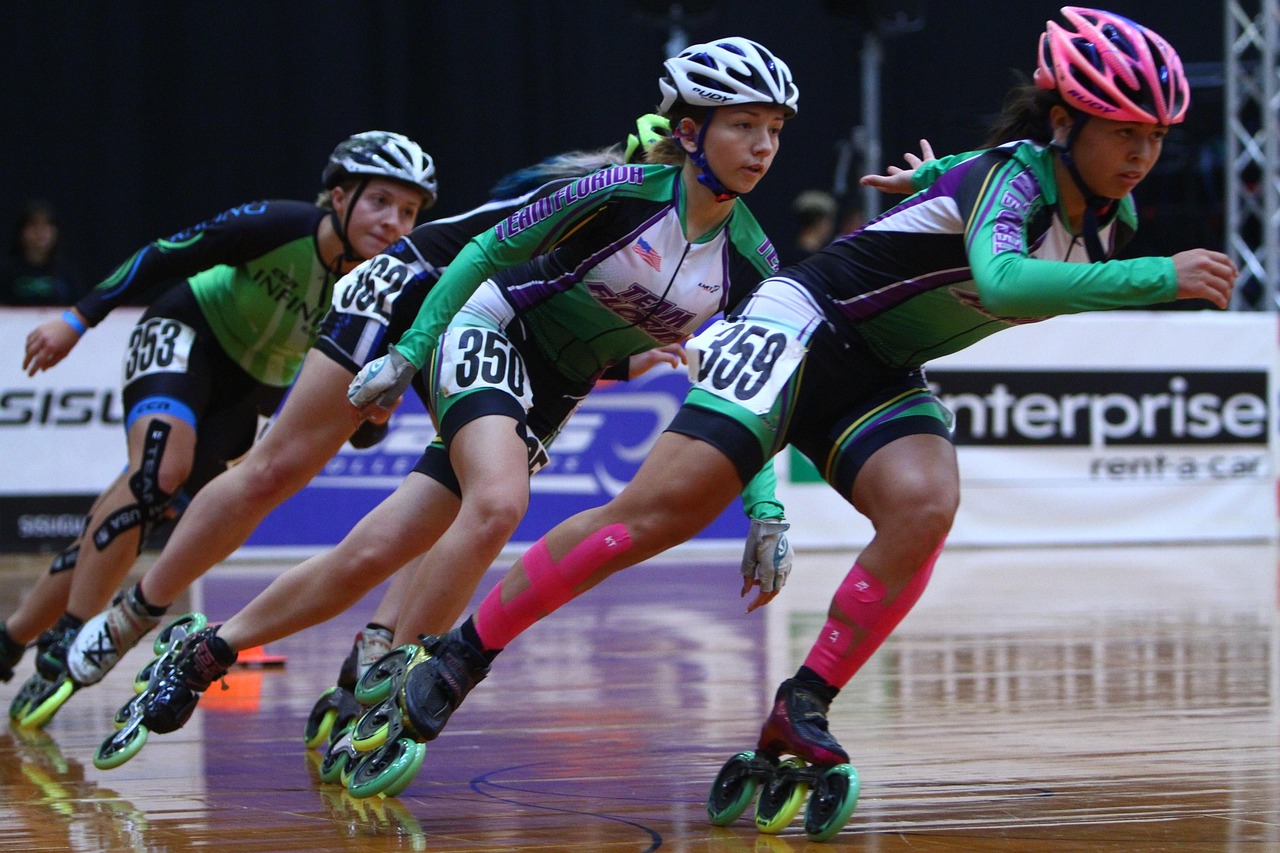
Effectively utilizing basic techniques will significantly enhance your inline skating adventures. As you build your foundation, properly executing key movements can bolster skill and safety. The importance of balance can’t be overstated. Developing core stability through engaging your abdomen during skating will help prevent fatigue. Concurrently, using a power push will improve your speed. This action involves a combination of leg extension and weight distribution, helping you gain momentum. Maintaining proper form builds muscle memory for improved control and performance. Shifting weight forward while skating enhances propulsion with each stroke. Moreover, mastering transitions will allow skaters to smoothly adapt between skating styles or directions. Practicing transitions from forwards to backwards and vice versa will enable greater versatility. Emphasizing turns is equally crucial, as this ensures smooth navigation around obstacles. Use your shoulders to initiate turns while keeping your knees bent for balance. Researching and monitoring professional skating techniques can further guide your learning. Understanding these core techniques will develop your skating skills over time. Consistency and practice are essential in becoming adept, enabling you to enjoy inline skating at any level.
Joining a local skating community grants access to shared experiences, tips, and encouragement. This network fosters friendships while supporting skill improvement through various group activities. Group outings and meet-ups offer participants the chance to practice diverse techniques, ensuring valuable input from fellow skaters. Having a partner or mentor increases motivation, encouraging more frequent practice sessions. Additionally, participating in official skating events can provide thrilling challenges while introducing you to a wider skating culture. This exposure can ignite your enthusiasm for mastering new stunts or skating at varying speeds. Look for community classes as a way to engage with experienced instructors. They can provide personalized feedback to support your development. Onlookers and spectators can enhance your journey by offering advice or feedback for improvement. Maintaining a positive mindset allows for constructive observation, guiding you toward refining your skills. This collaborative view will further enrich your skating experiences. Be open to constructive criticism, as it contributes to overall progression. Attending skating workshops can help expand your knowledge while allowing for social bonding. Embrace diverse skating experiences while sharing the joy of inline skating within your community.
Conclusion and Final Thoughts
In conclusion, navigating different terrains while inline skating can be incredibly rewarding. A combination of technique, practice, and community support ensures improved safety and enjoyment. Always prioritize safety by wearing suitable protective equipment, helping to prevent injuries while enjoying your engagements. Understanding various terrains allows skaters to adapt techniques efficiently. Learning how to descend and ascend hills is crucial for overcoming elevation changes. Skills can be cultivated through patience, which leads to increased confidence. It’s equally important to remain aware of environmental hazards while skating in urban areas. A focus on balance and control toward obstacles is vital, enhancing your experience tremendously. Inline skating can foster friendships and community connections, enriching both personal well-being and social engagement. Regular practice with peers can motivate personal growth, allowing for targeted improvement of skills. Surrounding yourself with fellow skaters can offer valuable insights and challenges. Keep exploring different terrains, as versatility leads to joy in mastering inline skating. Keep your body fit and healthy, maximizing your enjoyment of the sport. The exhilarating feeling of flowing across a smooth surface while mastering a new trick is truly unparalleled.
Your journey into the world of inline skating should continuously evolve. Explore parks, flatlands, hills, and various urban environments. Each offers a set of distinct challenges that will improve your abilities and enjoyment in this exciting sport.