
Orienteering for Kids: Fun Activities to Teach Navigation Skills
Orienteering is a captivating outdoor adventure sport that is gaining popularity among kids. This engaging activity not only promotes physical fitness but also improves cognitive skills through problem-solving and navigation. Orienteering teaches children how to read maps and use compasses, which are essential skills for outdoor exploration. By participating in orienteering, kids develop a sense of direction and learn to appreciate nature. This sport can be a fantastic addition to family outings, school programs, or community events. When introducing orienteering to children, it’s vital to keep the activities fun and age-appropriate. Create challenges that are easy to understand, yet stimulating enough to keep their interest. The thrill of finding a checkpoint on a map can be exhilarating for children, enhancing their confidence as they master navigation skills. Families can participate together, making it a delightful bonding experience as they help each other locate markers. Overall, orienteering fosters teamwork, resilience, and strategic thinking, making it a beneficial activity for personal growth.
Essential Skills for Orienteering
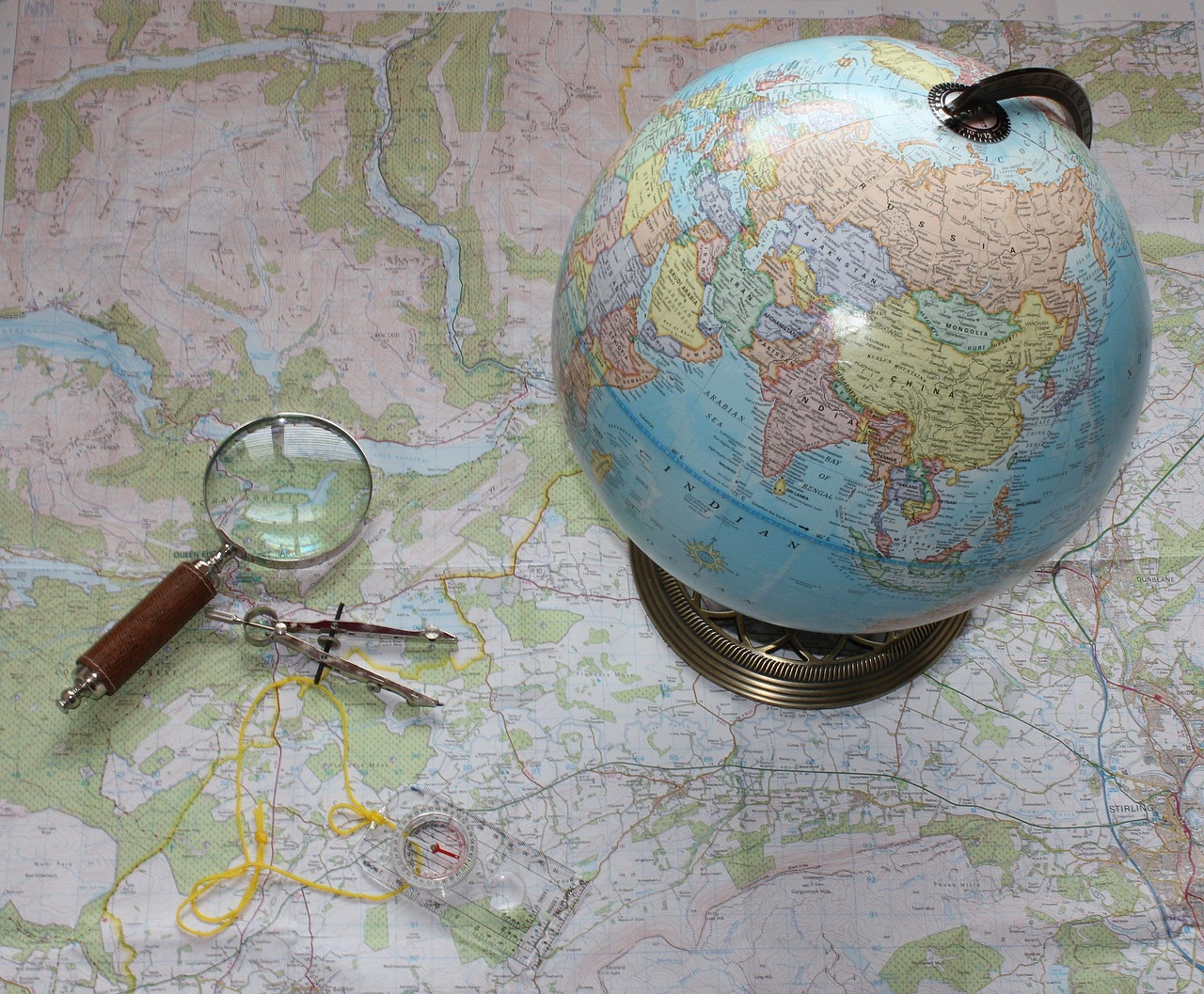
To excel in orienteering, kids must develop a range of skills that will support their adventure. First, map reading is crucial; understanding how to interpret symbols and contours helps them navigate effectively. Moreover, learning about compass usage is equally important, as this tool assists in determining direction during their journeys. Children can practice these skills in a controlled environment before heading out into the wilderness. Setting up mini-courses in parks or backyards can make the learning process enjoyable. Orienteering promotes physical fitness by encouraging walking, running, and exploring various terrains, which helps maintain a healthy lifestyle for kids. In addition to physical benefits, orienteering enhances mental resilience. Children often face challenges while navigating, encouraging them to think critically about their route choices. Another key aspect is teamwork, as kids often embark on these adventures with friends or family. Developing social skills through collaboration and communication further contributes to their overall growth. Ultimately, the essential skills acquired during orienteering will serve them well beyond the sport, benefiting their everyday lives.
Engaging kids in orienteering requires creativity and planning. Organize exciting treasure hunts using simple maps, which can be a thrilling way to introduce navigation concepts. Design clues that lead to various checkpoints, allowing children to follow a trail while learning map skills. These treasure hunts promote teamwork, as kids can work together, discussing and strategizing their next moves. The goal is not only to finish but to enjoy the journey of exploration together. Consider utilizing technology by incorporating GPS devices or smartphone apps that track their paths. This modern approach adds an element of fun while teaching navigation, blending traditional and contemporary methods. Moreover, positive reinforcement can greatly boost interests; celebrating their achievements, regardless of success or failure, cultivates a love for orienteering. Encourage kids to share their experiences, fostering a sense of pride in their progress. Parents and educators should be mindful of their enthusiasm, as it can be contagious. Outdoor adventure sports like orienteering can be an excellent foundation for lifelong skills that prepare kids for future challenges, both in navigation and beyond.
Safety Precautions in Orienteering
Even though orienteering is exciting, ensuring the safety of our kids during these adventures is of utmost importance. Familiarize children with the area before heading out and point out possible hazards, such as cliffs or dense foliage. Always remind them to stay with a group and not wander off alone. Equipping them with proper gear, including appropriate footwear and weather-appropriate clothing, helps keep them safe and comfortable. Parents should teach participants how to communicate their location in case of emergencies. A whistle can be an essential tool for signaling if children get lost or need help. Ensure they have a basic first aid kit available for minor injuries, such as scrapes or insect bites. Discuss the significance of hydrating and taking breaks, as this will keep energy levels up during the activity. Encourage kids to recognize their limits and to express any discomfort they may feel. Practicing these safety precautions empowers children to enjoy orienteering while being aware of their surroundings. Ultimately, combining fun with safety ensures a positive and memorable outdoor experience.
Incorporating orienteering into educational settings can serve as a powerful learning tool. Schools can organize orienteering days, where children can experience adventure while learning navigational skills first-hand. These events can become an integral part of physical education classes, combining fitness and essential skills development. Additionally, orienteering provides opportunities for interdisciplinary learning, as teachers can incorporate geography, mathematics, and teamwork principles into their lessons. For instance, understanding scales on maps can connect mathematics to real-life navigation activities. Experiential learning through orienteering encourages curiosity and exploration in educational environments. It promotes active participation, as kids learn by doing rather than through traditional methods alone. Education administrators may find it beneficial to collaborate with local outdoors organizations to ensure effective planning and execution of events. Such partnerships can provide resources and expertise to improve the quality of orienteering activities. Furthermore, engaging parents and the community can create a supportive network that encourages youngsters to embrace outdoor adventure sports. Ultimately, integrating orienteering into educational settings can foster a lifelong passion for exploration and navigation among children.
Orienteering Competitions for Kids
As children develop their orienteering skills, they may be interested in participating in competitions. Orienteering competitions are organized events where participants complete predetermined courses within a set time. These competitions, tailored to various skill levels, provide a rewarding outlet for growth. In competitions, children face off against fellow peers in a supportive environment that emphasizes personal achievement and improvement. Not only will these events enhance their navigational skills, but they also build self-esteem and sportsmanship. Parents can encourage their children to reach for improvement goals, celebrating their individual progress rather than focusing solely on winning. Local clubs and organizations often host youth-specific events, providing access to expertise and mentorship. To prepare for competitions, kids should practice regularly and develop strategies for managing their time effectively. Learning to stay calm under pressure will also serve them well during events. Competitions can also foster friendships, allowing children to connect with like-minded peers who share a passion for orienteering. Ultimately, these events create a strong sense of community and introduce kids to the thrilling world of adventure sports.
As we explore orienteering for kids, it’s essential to acknowledge its ability to improve overall confidence and self-awareness. Children who participate in orienteering grow not only physically but also mentally as they conquer challenges. Navigating their environment promotes independence, as they learn to rely on themselves while exploring. Moreover, orienteering showcases the significance of goal-setting, as kids plan their routes and strive to reach their designated checkpoints. This process teaches them that every small achievement counts toward a bigger goal, a valuable lesson for all aspects of life. As they successfully complete courses, their sense of accomplishment grows, nurturing resilience and determination. In addition, orienteering encourages outdoor exploration, allowing children to develop a connection with nature. These experiences can ignite a love for the outdoors, fostering a lifelong commitment to adventure sports. Facilitating opportunities for kids to engage in orienteering ultimately shapes their perspectives on physical activity and navigation. As we encourage this sport, we provide future generations the tools they need to thrive in a dynamic world, becoming both knowledgeable navigators and empowered individuals.
In conclusion, orienteering is an inspiring activity that enables kids to learn valuable navigation skills while having fun outdoors. This educational sport encourages children to explore their surroundings, enjoy physical activity, and develop essential life skills that extend beyond orienteering. By integrating fun activities with crucial skills, orienteering can strengthen relationships among family and friends while building confidence and teamwork. Parents, educators, and community members should collectively support initiatives that promote orienteering events, ensuring that kids have access to a rewarding and enriching experience. From treasure hunts in local parks to school competitions, the opportunities for kids to engage in orienteering are endless. The skills they acquire through orienteering will be invaluable, equipping them for future challenges during their adventures. Moreover, these positive experiences will likely ignite a sense of adventure that lasts a lifetime. Ultimately, embracing orienteering as a core activity within outdoor and educational settings fosters holistic development. Inspire the next generation of navigators, explorers, and adventurers by introducing them to the exciting world of orienteering.