
Self-Myofascial Release to Assist Recovery from IT Band Syndrome
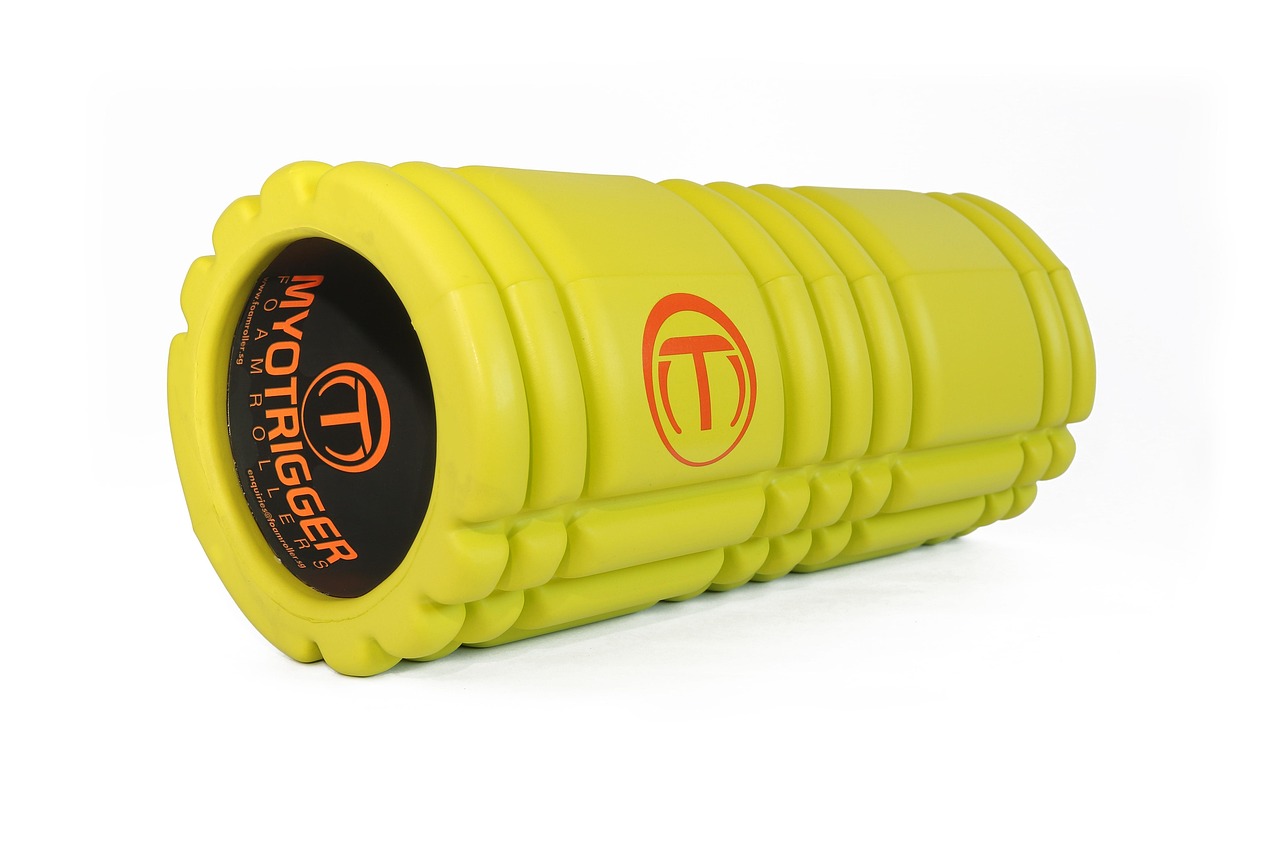
Self-myofascial release (SMR) represents a self-care technique involving the application of pressure to specific parts of the body, aiming to alleviate muscle tightness and discomfort. One crucial area where this technique can be beneficial is in treating IT Band Syndrome. This common overuse injury most often affects runners and cyclists, leading to lateral knee pain caused by irritation of the iliotibial band. By utilizing SMR, individuals can enhance recovery and improve their mobility. Typical tools for SMR include foam rollers and massage balls. These tools can help in breaking down adhesions and improving blood flow. Moreover, it’s essential to incorporate such techniques into a comprehensive rehabilitation program that also includes flexibility and strength training to ensure an effective recovery process. Therefore, before commencing any self-myofascial release routine, it’s advisable to consult with a healthcare professional or a physical therapist to personalize the approach to individual needs and limitations. This guidance supports proper technique to maximize results while minimizing the risk of exacerbating the condition. Understanding this practice can transform recovery experiences and promote long-term health benefits.
Key benefits of self-myofascial release for IT Band Syndrome include reduced pain, improved movement patterns, and enhanced overall performance. When adhered tissue in the iliotibial band is released, the surrounding muscles and fascia can also benefit, leading to broader functional improvements. This can significantly impact athletic performance by optimizing leg mechanics during running or cycling. SMR stimulates circulation, bringing nutrients to the affected tissues and facilitating the removal of metabolic waste, aiding recovery. Individuals often find immediate relief after a treatment session, which can motivate consistent practice and integration within daily routines. To effectively utilize SMR, it is recommended to spend approximately 1-2 minutes on each targeted area, focusing on specific tension points. Gradually applying pressure with a foam roller or massage ball aids in identifying and addressing knots or adhesions. Additionally, incorporating regular stretching post-SMR is crucial, as it complements the benefits achieved through release techniques. The combination promotes lasting flexibility that can prevent future injuries. Therefore, integrating self-myofascial release, stretching, and other therapeutic modalities adds holistic value to recovery processes.
Understanding the Iliotibial Band
The iliotibial band is a thick band of fascia that runs from the hip down to the knee along the outer thigh. It plays a vital role in stabilizing the knee during activities such as walking, running, and cycling. However, repetitive friction and overuse of this band can lead to pain, which many athletes experience. Understanding its anatomy and function highlights why specific care, like SMR, is necessary for those suffering from IT Band Syndrome. Common risk factors include muscle imbalances, poor running mechanics, and inadequate warm-up or cool-down practices. Implementing self-myofascial release assists in addressing such risk factors by alleviating tension in the band and restoring proper function. Additionally, awareness of one’s posture and biomechanics can prevent future injuries from occurring. Proper technique when performing exercises is essential to avoid aggravating the injury further. Hence, educating oneself and seeking professional guidance will foster a better recovery journey. Learning how to maintain the iliotibial band’s health through regular practice of targeted techniques promotes sustained physical activity and well-being.
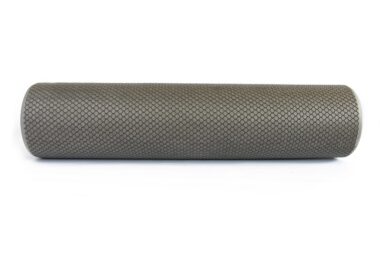
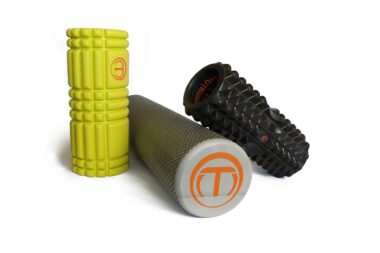
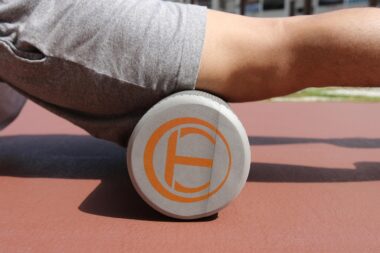
To effectively perform self-myofascial release on the iliotibial band, follow these essential steps for optimal results. Find a comfortable space, ideally on a soft surface or mat, ensuring enough room to roll freely. First, select a foam roller or massage ball; each tool provides a distinct experience. Begin by positioning the foam roller under the affected leg, resting it on the outer thigh. Gradually roll back and forth, targeting areas of tightness or discomfort, focusing on 1-2 minutes per section. If using a massage ball, you may pinpoint specific knots, applying consistent pressure. Engage breathing techniques, inhaling deeply during gentle pressure application and exhaling when releasing tension. This can enhance relaxation and effectiveness during the session. Pay attention to your body’s feedback, adjusting pressure according to comfort levels. After completing SMR, take time to stretch the affected muscles, aiding recovery and flexibility. Incorporating consistent practice into your rehabilitation regime will provide cumulative benefits over time. Regular SMR is not merely a treatment for the injury but a proactive measure to maintain overall muscle health and prevent future occurrences.
When to Implement Self-Myofascial Release
Knowing the right timing for incorporating self-myofascial release into one’s routine can vastly improve recovery from IT Band Syndrome. Pre-activity, it’s beneficial for warming up and preparing muscles for performance. SMR can enhance blood flow and tissue elasticity, ensuring readiness before physical exertion. Post-activity, individuals experiencing soreness or tightness can use SMR as a recovery tool to alleviate stiffness and promote healing. It’s also effective on days when the athlete feels particularly tight, serving to maintain mobility and flexibility. Integrating SMR into a long-term training routine fosters endurance and resilience, reducing the likelihood of repetitive injuries. For optimal outcomes, consider pairing SMR with other therapeutic practices like physical therapy and targeted strengthening exercises. Regularly self-assessing for areas of tension will inform when to conduct SMR sessions. Learning to recognize signs of discomfort, fatigue, or decreased performance helps establish an intuitive connection with one’s body. This understanding can lead to more proactive injury management, enhancing your long-term athletic capacity and maintaining a healthy lifestyle. Implementing these techniques can improve overall physical wellness.
There are some precautions to consider when practicing self-myofascial release to avoid exacerbating any issues. Always avoid rolling directly over joints, such as kneecaps or bony areas, maintaining focus on fleshy muscle tissue only. The objective is to relieve tension rather than prolong discomfort or pain. If significant pain occurs during an SMR session, it is wise to reduce pressure or discontinue the technique altogether. Moreover, those with chronic conditions or injuries should consult a physician or physical therapist before beginning SMR. Individual capabilities vary, and some people may require tailored guidance to prevent further complications. Regular feedback from a healthcare professional can optimize recovery strategies and ensure safety. Additionally, practitioners should maintain their equipment, keeping foam rollers and massage balls clean to avoid skin irritations and other issues. Consider personalizing a routine based on areas most affected by IT Band Syndrome while integrating broader body practices that maintain overall health. Balancing attention across muscle groups fosters comprehensive wellness and avoids future tightness elsewhere. Being aware of both body sensations and professional advice will enhance the recovery experience effectively.
Conclusion and Future Considerations
In conclusion, self-myofascial release serves as an essential technique in managing IT Band Syndrome and promoting recovery. Individuals should recognize its benefits as a proactive approach to muscle care, overall fitness, and injury prevention. A well-rounded rehabilitation program, including SMR, stretching, and strength exercises, will optimize outcomes after injury. As awareness of SMR grows, more athletes and fitness enthusiasts can utilize these techniques to manage their wellbeing effectively. Future exploration into combining SMR with emerging recovery modalities like cryotherapy or specialized functional training may yield further insights and benefits. Staying informed about best practices in rehabilitation ensures improved methodologies and better results in recovery processes. Preventative strategies integrated into daily routines will serve individuals well in various sports and physical activities. Regular evaluation of techniques, alongside consultation with health professionals, contributes to a sustainable transition towards long-term health. As the field of sports medicine evolves, adopting an integrative model for recovery may set new standards for athlete care. Individuals prioritizing self-care foster not only improved performance but also lasting vitality in their physical pursuits.
Consequently, the journey towards mastering self-myofascial release and understanding its significance within rehabilitation emphasizes the need for continuous learning and practice. Engaging with community resources centered on movement education enhances one’s journey significantly. Workshops, online courses, and literature can provide developmental insights into effective techniques, complementing personal experiences with updated knowledge. Cultivating a disciplined approach to integrating self-myofascial release into daily routines secures lasting benefits while fostering resilience to future injuries. Enhancing body awareness through practice promotes connection and understanding of personal physicality, establishing routines tailored to individual needs. As participants reflect on their recovery journeys, discussing experiences with fellow practitioners builds community support. The resilience developed through such practices can significantly influence both athletic performance and day-to-day living. Ultimately, recognizing the impact of attentive self-care on well-being fosters a balanced approach to health. Progressing through recovery empowers individuals, encouraging continuous participation in physical activities. By embracing these practices and disclosures, those affected by IT Band Syndrome can share their journeys while inspiring others facing similar challenges. Engaging with holistic methods fosters a culture of health and wellness, enhancing the overall quality of life.