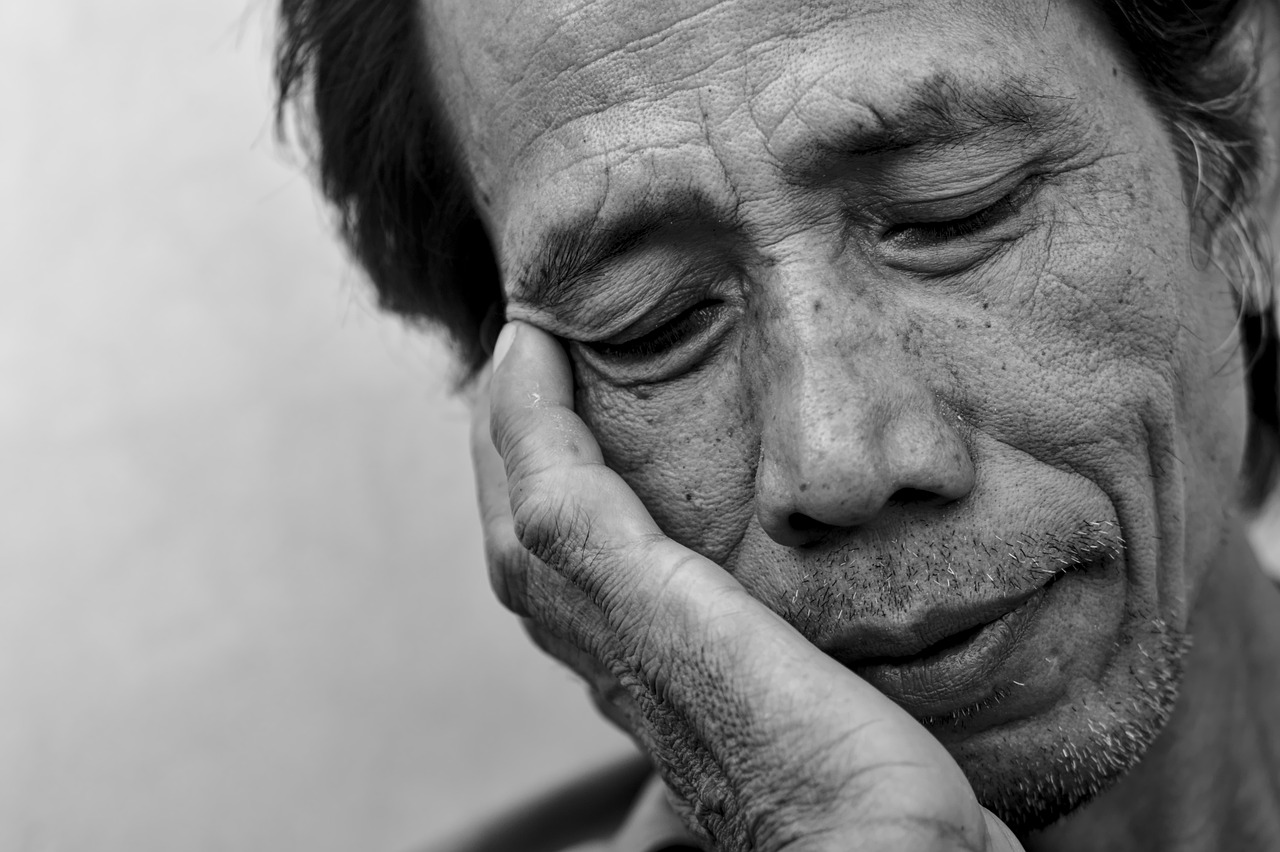

The Impact of Weekend Drinking on Weekday Sleep Quality
The weekend drinking culture, prevalent in many social circles, often leads to detrimental effects on sleep quality during the weekday. Individuals who indulge in alcohol on Fridays and Saturdays may find themselves struggling to maintain a consistent sleep schedule. The initial euphoria that alcohol provides gives way to disruption once its effects wear off. While alcohol can promote drowsiness initially, it disrupts the overall sleep cycle, especially the REM stage that is essential for restorative sleep. The increased likelihood of waking up during the night can leave drinkers feeling unrested by Monday morning. This can lead to reduced cognitive functioning, decreased productivity, and negative health outcomes. A study shows that irregular drinking patterns translate into irregular sleeping patterns, creating a vicious cycle. As such, many might find they need to rely on caffeine or other stimulants during the week to counteract the fatigue caused by weekend drinking. This ensuing dependence complicates their ability to break free from this unhealthy routine and reclaim their focus. Reassessing weekend drinking habits could foster improved sleep quality and overall well-being.
On weekends, the social pressure often amplifies alcohol consumption without realizing its impact on sleep. Initially, social drinking spikes adrenaline and enhances sociability, yet overindulgence leads to unintended consequences. Even if sleep duration seems adequate, its quality can be severely compromised. Research indicates that those who consume excessive alcohol may experience longer sleep latency, meaning they take longer to fall asleep. Furthermore, disturbances during the night can often become typical, particularly as blood alcohol levels drop, leading to awakenings. These interruptions prevent one from progressing through the various sleep stages needed for optimal recovery. Furthermore, studies show a correlating increase between weekend alcohol intake and weekday anxiety levels. Individuals often arise feeling exhausted, fatigued, and less capable of managing daily challenges. The bittersweet aftermath of weekend revelry often manifests through a struggle to maintain mental clarity and emotional balance, which is vital in maintaining overall health. While socializing is an integral part of modern life, individuals should consider moderating their alcohol intakes to promote consistent sleep quality. Awareness is key to understanding the cost of weekend indulgence on sleep and how it impacts the coming week.
The Biological Mechanism of Alcohol’s Effect on Sleep
To fully comprehend the connection between alcohol consumption and sleep quality, one must consider its biological mechanisms. Alcohol acts as a central nervous system depressant, initially promoting relaxation and drowsiness. This reaction may convince individuals that drinking before bed aids their sleep. However, the science reveals a different story regarding sleep architecture. As the body metabolizes alcohol through the night, sleep becomes divided into fragmented cycles. The initial sleep induced by alcohol is often shallow, while subsequent hours see disturbances leading to lighter sleep stages. Moreover, alcohol reduces REM sleep significantly, which plays a crucial role in emotional regulation and memory consolidation. Consequently, REM deprivation can result in impairments such as irritability and forgetfulness during the week. Heightened caffeine consumption or the use of sleep aids often stems from these cravings for a more restful night yet fails to address the underlying issue. By fully grasping alcohol’s physiological effects on sleep quality, individuals can better navigate their weekend habits, aiming for a healthier balance. Rather than relying on alcohol for relaxation, alternative strategies should be explored to enhance sleep quality, ultimately benefiting overall health.
Moreover, the weekend pattern of drinking can result in a cyclical disruption of sleep patterns, making it difficult to establish a reliable routine. Many people face additional pressure to socialize and consume alcohol to fit into group dynamics, neglecting their personal health. This cycle often perpetuates through the inability to correct it come Monday. With the return to work, the combination of sleep deprivation and caffeine overconsumption can lead to irritability and mood swings. Science shows that a lack of quality sleep can also weaken the immune system, making individuals more susceptible to illnesses. As fatigue takes its toll, engagement in daily activities can decrease significantly; critical thinking skills may suffer under pressure. Additionally, while social gatherings often encourage relaxation, consuming alcohol can contribute to heightened anxiety levels in those who already struggle with social situations. Consequently, weekend drinking can create an unhealthy loop of disruption and dissatisfaction, lacking the restorative benefits that proper sleep offers. Consequently, the focus shifts from enjoying weekends to anxiously awaiting the next opportunity to rest, deepening the harms of alcohol consumption on daily life.
Alternatives to Alcohol for Weekend Socializing
Identifying alternatives to alcohol can be the first step towards breaking the negative impact on sleep quality while still enjoying social interactions. Engaging in other forms of celebration provides avenues for fulfillment without sacrificing health. Social events do not have to revolve around drinking; instead, incorporating activities that foster connection without alcohol can enhance experiences. For instance, hosting game nights, potluck dinners, or movie marathons can substitute the traditional drinking gatherings. Numerous non-alcoholic beverages, such as mocktails, promote inclusivity without added risks of disrupted sleep. Simple lifestyle adjustments can go a long way in facilitating positive changes and maintaining sleep hygiene. With growing popularity, many bars and restaurants offer creative non-alcoholic drink options that can help make socializing healthier. Incorporating mindfulness practices, listening to music, or even exercising can serve as beneficial outlets during weekends. As individuals invest their social time mindfully, they foster healthier relationships and personal connections that do not rely on alcohol. Such alternatives provide a refreshed approach to joy, creating lasting memories free from the hangover of poor sleep quality.
Transitioning to these social alternatives also requires a mindset shift concerning relaxation and enjoyment. In many cultures, drinking remains a prominent social glue, but deconstructing this norm opens the door to new experiences. Pub culture can evolve into spaces promoting wellness, whether through engaging conversations or artistic expressions. People can heighten their appreciation for convivial times that do not end in exhaustion or anxiety. This opens individuals up to fostering healthier coping mechanisms rather than leaning on substances as a crutch. Consequently, awareness about the ties between sleep and alcohol consumption becomes heightened. By reframing weekend experiences to cultivate genuine connections, individuals shift the focus from immediate pleasure to long-lasting enjoyment and well-being. As community dynamics evolve, creating environments that encourage health-conscious behaviors could redefine social standards. Advocacy and education are crucial for community awareness so that younger generations can develop healthier relationships with alcohol. Personal accountability, along with communal support, can reduce overall weekend drinking rates, improving sleep quality and life satisfaction.
Conclusion on Alcohol Consumption and Its Impact
In conclusion, acknowledging alcohol’s influence on sleep quality presents an opportunity for individuals to foster healthier lifestyle choices. The insights into sleep disruption caused by weekend drinking serve as a call to evaluate and reassess one’s relationship with alcohol. An understanding of the sleep cycle deepens the conversation surrounding these effects — facilitating informed discussions in both personal and social contexts. Awareness can empower individuals to prioritize sleep and implement healthier social practices. The transition may require effort, yet the outcome yields better sleep, improved mood, and overall well-being. Redefining what it means to socialize is crucial for a balanced life. As communities begin focusing on relationship-building without alcohol dependency, a cultural shift can occur, promoting healthier habits. This commitment to mindfulness and health recognizes the greater importance of quality sleep for thriving. Ultimately, the motivation to alter weekend drinking habits can be driven by the desire for quality sleep and mental clarity. By prioritizing health over fleeting pleasures linked with alcohol consumption, individuals can reclaim their weekends, enhancing their weekday performance and enriching their lives. Reclaiming sleep may be one of life’s most valuable pursuits.
Through collective efforts and support, a culture of moderation can be embraced, emphasizing connection over consumption. Engaging in thorough discussions about the impact of drinking on sleep can cultivate awareness within communities. Each individual’s actions contribute toward a larger dialogue concerning societal norms and health. This awareness ultimately encourages decision-making around self-care and well-being, ensuring long-lasting changes that extend beyond mere weekends. By challenging traditional drinking habits, many may find new joys and avenues for relaxation without sacrificing recuperative sleep. Individuals and groups alike can inspire shifts in perspectives, transforming the way time together is valued. Education and support systems play pivotal roles in fostering healthier environments, as communal awareness blossoms. Advocating for a deeper understanding of the effects of alcohol on health can encourage proactive efforts to reclaim sleep. With ongoing resilience, individuals can pave the way for a restorative and fulfilling life built upon healthy choices. Ultimately, personal journeys can reshape collective experiences, making meaningful impacts in the fight against sleep deprivation triggered by weekend drinking. Together, everyone can foster a lifestyle where quality sleep becomes the norm rather than the exception.