
The Role of Core Strength in Teen Gymnastics
Core strength is critical for teen gymnasts as it underpins their ability to perform complex movements. A strong core stabilizes the body, supporting the spine and pelvis during routines. Gymnasts with developed core muscles can maintain better balance, coordination, and flexibility. As a result, they tend to execute their skills with more precision, thereby reducing the risk of injuries. Enhancing core strength also contributes to increased power and speed in tumbling passes, resulting in improved performance in competitions. Core training, featuring exercises like planks, Russian twists, and leg raises, fortifies these muscles. Additionally, flexibility in the core region is paramount for gymnasts aiming for advanced skills, enabling them to achieve greater ranges of motion. Coaches should incorporate specific drills into training sessions to bolster these areas. Lastly, proper warm-up and cool-down routines focusing on the core can improve overall fitness and recovery. A commitment to core strength not only elevates performance but also ingrains essential athletic habits. Therefore, a structured core training program tailored to teens is vital for gymnastics success, ultimately allowing gymnasts to realize their full potential. Achieving core strength is the first step towards enhanced gymnastic abilities.
In gymnastics, core strength is not merely a physical aspect; it also plays a psychological role. When gymnasts know they possess strong core muscles, they gain confidence in their abilities. This confidence translates into more daring performances on the mat, which can impress judges. The relationship between core stability and risk-taking is crucial, especially during competitions. Teen gymnasts learn to trust their bodies, allowing them to try more difficult skills without fear. Furthermore, core exercises engage the mind, requiring focus and concentration. Developing mental toughness is just as significant in gymnastics as physical training. Exercises like Pilates and yoga complement traditional core workouts, promoting both physical and mental endurance. These disciplines help athletes connect with their bodies, improving their overall awareness in routines. As teens progress, they become more goal-oriented, pushing themselves to excel in their core strength and gymnastics skills. Encouragement and guidance from coaches will support this journey. Core strength training fosters a culture of perseverance among young athletes. Ultimately, when confidence meets physical capability, teen gymnasts are poised for success in their sport. Strengthening both body and mind is essential for reaching competitive heights.
Benefits of Developing Core Strength
The benefits of developing core strength in teen gymnasts extend beyond the gym floor. Strong core muscles promote better posture, which is essential for all athletic performances. Improved posture affects alignment during more complex movements, ultimately enhancing execution. As gymnasts practice and strengthen their cores, they develop a more muscular and toned appearance, boosting self-esteem. This self-image enhancement is particularly important for teenagers navigating their self-identity. With increased self-esteem from their core strength training, teens are more likely to engage positively with their peers. Additionally, strong core muscles mitigate the risk of common injuries, minimizing downtime during the competition season. When athletes are less susceptible to injuries, they can focus more on training and skill enhancement. Programs targeting core strength can set the foundation for long-term athletic success. Incorporating various exercises into routines ensures a comprehensive approach to fitness. Furthermore, engaging in core training teaches discipline and enhances commitment to physical fitness. Testimonials from successful gymnasts often recount the importance of core strength in their achievements. Thus, investing time in core training has far-reaching benefits, significantly shaping the future of teen gymnasts both in and out of the gym.
Core training for teens is not just about performing exercises; it also requires a holistic approach. Proper nutrition plays an essential role in developing strong core muscles. A balanced diet, rich in proteins, carbohydrates, and healthy fats, fuels workouts, allowing teens to push boundaries during core exercises. Coaches should stress the importance of hydration, emphasizing that staying fluid is key to optimal performance. Meals pre- and post-workout form the basis of developing muscle strength, especially in the core area. Educating athletes about nutrition can improve their overall health and fitness. In today’s fast-paced world, snacking on healthy options is essential. Encouraging fruit, nuts, and lean protein can keep energy levels stable. Teaching teens mindful eating habits will help them make better food choices. Combining a healthy diet with intensive core training programs increases muscle gains. An informed and health-conscious athlete can harness the full potential of their physical abilities. Furthermore, understanding nutrition fosters independence, empowering teens to take charge of their fitness journey. The right mix of nutrition and core workouts can significantly propel gymnasts towards achieving their competitive goals. Ultimately, a comprehensive approach equips teen gymnasts for lifelong athletic pursuits.
Common Core Exercises for Gymnasts
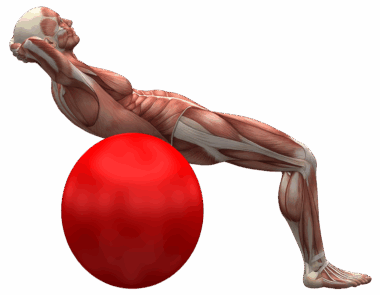
Several core exercises are particularly beneficial for teen gymnasts looking to build strength. Exercises such as planks are foundational, engaging multiple muscle groups essential for stability. These can be modified to various difficulty levels, making them suitable for all teens. The bird dog position is another effective workout that encourages balance while strengthening the core further. Meanwhile, hollow holds and flutter kicks also promote excellent muscle engagement. Incorporating these movements into training routines can offer dynamic variations in workouts. Exercise balls and resistance bands can enhance traditional core workouts, adding fun and challenge. A variety of both dynamic and static exercises keeps the training session fresh and engaging. Gymnasts often find more enjoyment in workouts that change frequently, enhancing consistency in training. Learning the proper techniques is crucial for avoiding injuries and achieving desired outcomes. Coaches should monitor the athletes’ form during exercises. Offering feedback creates a safer training environment. Incorporating flexibility training with core exercises is also advantageous, as a well-rounded routine builds resilience. Ultimately, the focus on diverse core training helps teens understand their bodies better while developing strength. Each movement contributes to their growth and performance as gymnasts.
Acknowledging milestones in core strength development is important for maintaining motivation among teen gymnasts. Celebrating progress reinforces the importance of consistent training, fostering a positive attitude towards fitness. Tracking performance improves goal-setting, encouraging athletes to challenge themselves continually. Coaches can introduce check-ins to evaluate individual progress effectively. Through periodic assessments, athletes will recognize their improvements, whether through holding a plank longer or executing skills with more precision. These small victories build confidence, enhancing overall training satisfaction. Furthermore, animated workouts can augment motivation, drawing gymnasts into engaging competitive drills. Encouraging teamwork and friendly competition can stimulate a supportive environment. Having a partner in training also proves helpful for accountability, pushing each teen to strive for excellence. Celebrating successes—big or small—instills a culture of achievement. Recognition can come in the form of acknowledgment during practice or special awards for improvements. Building relationships within the gymnastics community adds to the enjoyment of core training. The emotional connections formed during these experiences strengthen teams, resulting in better performances at competitions. Ultimately, creating a fun and motivating environment for core workouts extends the embrace of meaningful interactions, bringing greater joy to gymnasts.
The Future of Core Strength in Teen Gymnastics
The future of core strength training in teen gymnastics looks promising with evolving insights into athlete development. As more research emerges, coaches can implement scientifically-backed methods to enhance core strength efficiently. Innovations in training equipment, such as balance boards and suspension trainers, offer new ways to improve core stability. Additionally, technological advancements like fitness apps can track progress and provide personalized training regimens. Tailoring workouts to individual strengths and weaknesses is becoming increasingly feasible, ensuring that all gymnasts can benefit. Furthermore, understanding the connection between core strength and mental resilience remains at the forefront of importance, as comprehensive training focuses on holistic athlete welfare. Continuous education for coaches helps them stay updated on the best practices in training and nutrition. Conferences and workshops allow trainers to exchange ideas from various perspectives. Building effective networks will enhance collaboration in the gymnastics community, ultimately benefiting teen athletes. Also, integrating core strength training into broader athletic programs paves the way for partnerships between sports organizations and health professionals. This evolution will create a solid foundation for future generations of gymnasts, fostering a culture of strength, health, and shared achievement in their gymnastics careers.
In conclusion, core strength is a fundamental aspect of gymnastics for teens, influencing their performance, health, and overall development. The cultivation of a robust core leads to enhanced confidence, better posture, and injury prevention. These benefits extend beyond physical attributes, fostering a positive mindset and resilience in young athletes. A comprehensive program that includes nutrition, varied core workouts, and emotional support can have a lasting impact on their growth. As coaches and trainers adapt to evolving insights and methods, gymnasts can look forward to a future where their training aligns closely with their personal strengths. This journey is about developing technical skills alongside fostering psychological resilience. By recognizing the multifaceted role of core strength, teen gymnasts are better prepared to navigate challenges and seize opportunities in their athletic careers. The commitment to building core strength is a lasting investment, setting the stage for future success. Celebrating achievements and maintaining motivation helps create a thriving gymnastics community. Ultimately, fostering core strength will enable young athletes to shine in competitions, empower them in life, and inspire loved ones to pursue fitness journeys alongside them. Core training should be an essential focus, ensuring that teens become well-rounded individuals.