
The Role of Home Pilates in Postnatal Fitness
Postnatal fitness is essential for new moms to regain strength, improve mood, and maintain physical health. Home workouts, especially Pilates, offer a perfect solution to this need. They provide flexibility and convenience, allowing mothers to exercise at their own pace. Pilates focuses on core strength, stability, and flexibility, which can significantly benefit recovering postpartum bodies. Engaging in these workouts can help prevent issues like back pain and improve pelvic floor strength. This is crucial as many women experience weakened muscles after childbirth. By safely incorporating Pilates into their routines, new mothers can enhance their overall fitness levels and promote bodily function. Furthermore, Pilates is low-impact, making it suitable for various recovery stages. With the use of mats and simple equipment, such as resistance bands, workouts can be performed at home without the need for extensive gear. With a variety of online resources available, moms can easily follow guided sessions tailored for postnatal recovery. This accessibility helps mothers stay motivated, knowing they can manage their fitness while attending to their newborns without the stress of gym visits.
One major advantage of home Pilates for postnatal moms is the ability to structure routines around their babies’ schedules. Every new parent understands the unpredictability of infant care. Therefore, finding time for gym workouts can pose significant challenges. Pilates allows mothers to create effective at-home routines during naptimes or after bedtime. They can also integrate their babies into their workouts, promoting bonding during exercise. Simple movements can be performed with baby safe nearby, ensuring that mothers stay active while enjoying their time together. Additionally, many online platforms provide resources specifically designed for postnatal Pilates. These routines are tailored to address the unique needs of postpartum bodies. They focus on rebuilding core stability, enhancing posture, and fostering relaxation. Working out at home also tends to reduce the intimidation factor that can accompany gym settings for new moms. Feeling comfortable in their own environment encourages more consistent participation. This can greatly aid in accountability for maintaining fitness goals. Moreover, practicing Pilates encourages mindfulness, which can help in stress reduction. This holistic approach is valuable for the mental wellness aspect of postnatal care.
Benefits of Pilates for Postnatal Recovery
Pilates serves as an excellent method for engaging core muscles that often become stretched or weakened during pregnancy. Notably, the focus on core engagement helps mothers to start recovering their strength. A strong core is fundamental for many daily activities, especially lifting and carrying a baby. Moreover, Pilates techniques emphasize proper breathing, which is essential during postpartum recovery. Incorporating breath awareness can enhance overall wellness and relaxation. It can also facilitate faster recovery from childbirth, and improve energy levels significantly. Another benefit is that Pilates can help improve posture. With the body transitioning after pregnancy, maintaining a proper posture while nursing or carrying a baby becomes crucial. Pilates promotes awareness of body alignment and may help alleviate tension in the neck and shoulders. Furthermore, the flexibility components of Pilates are greatly beneficial. Flexibility achieved through Pilates can reduce risks of injury and enhance overall mobility. This is vital for mothers resuming their regular activities, sports, or exercises they enjoyed pre-pregnancy. With patience and regular practice, results can begin to show within weeks, leading to greater satisfaction.
In addition to physical benefits, home Pilates for postnatal moms can positively impact mental health. Regular exercise releases endorphins, which are known as natural mood lifters. New mothers often experience challenges such as anxiety and postpartum depression; thus, physical activity can serve as an effective coping mechanism. Dialing down stress levels aids in better interaction with infants, enhances patience, and cultivates a more positive environment. Lifestyle changes accompanying childbirth can introduce fatigue, and establishing a workout routine can help regain some normalcy. Engaging in Pilates creates a precious me-time opportunity for new moms. Focusing on themselves can provide a refreshing break from the overwhelming responsibilities of motherhood. Moreover, setting and achieving exercise goals fosters a sense of accomplishment. Establishing these small victories continuously can yield confidence boosts. Over time, as moms witness improvements in fitness and body strength, their self-esteem naturally increases. Finding a support system through local or online communities dedicated to postnatal fitness can also drive motivation. Connecting with others facing similar situations gives them a sense of belonging and support, ultimately leading to better outcomes.
Getting Started with Home Pilates
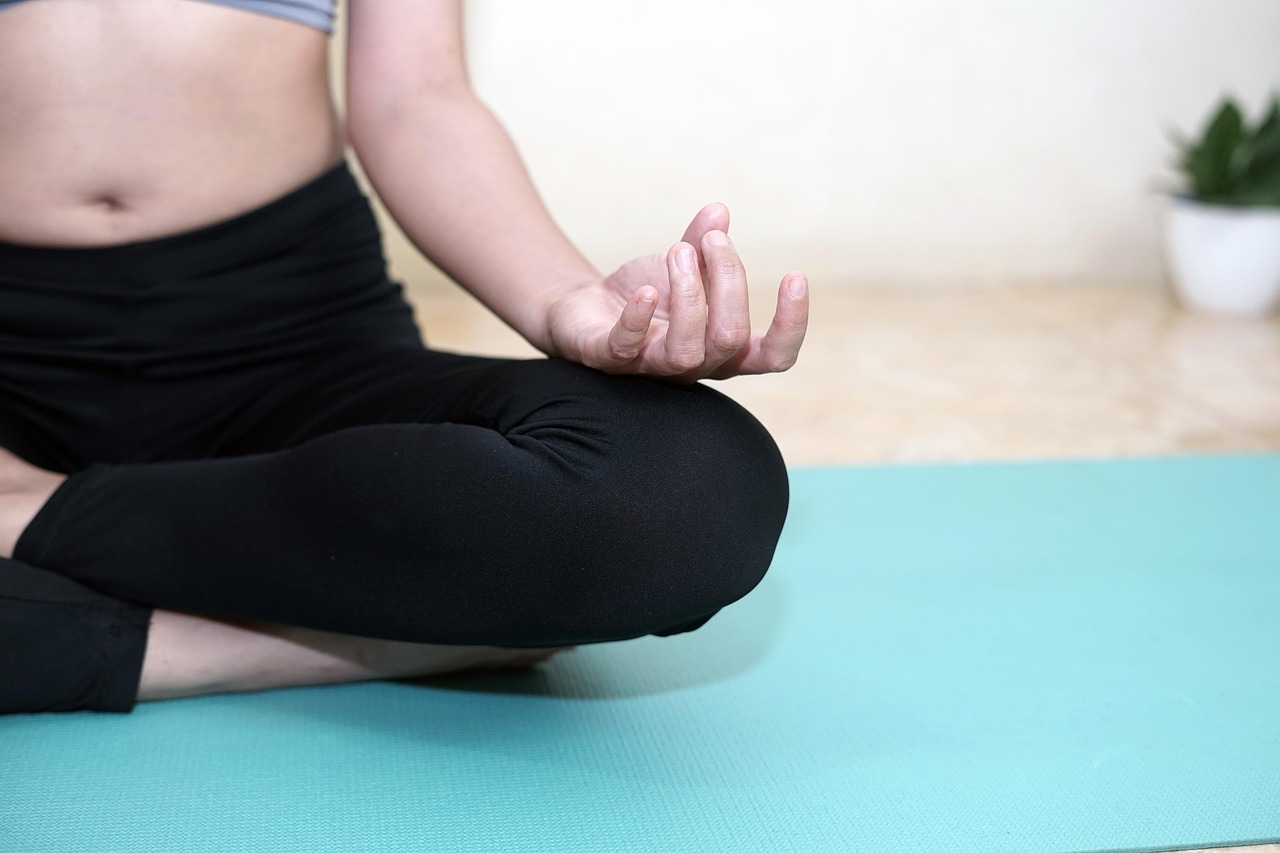
Starting Pilates at home does not require extensive preparation, making it exceptionally user-friendly for busy new moms. To begin, mothers need to find a quiet space where they can comfortably practice without interruptions. Proper equipment may include a Pilates mat, comfortable clothing, and perhaps a stability ball or resistance band for enhanced workouts. Online classes, whether live or pre-recorded, can guide mothers through the process. These classes typically offer modifications for various fitness levels and recovery stages, allowing participants to progress comfortably. They can experiment with different routines to identify their preferences, which keeps the motivation high. Starting with short sessions first helps in gradually building stamina, as consistency is key. With every session, improvements will begin to reflect, both physically and mentally. Incorporating Pilates at home may also include collaborative sessions as families, enriching family bonding experiences. Their infants can observe, engage, or even be included in some exercises, establishing early exposure to an active lifestyle. Commitment to practice can yield substantial progress, restoring strength and enhancing overall well-being.
Safety during postnatal Pilates is paramount. New mothers should prioritize listening to their bodies and consult healthcare practitioners before starting any intense exercise. This ensures that they are cleared for activity and given personalized recommendations based on their unique recovery journeys. It’s crucial to avoid pushing through pain or discomfort, especially in instances related to the pelvic area. Educating themselves about their bodies and understanding postpartum changes can significantly aid their approach. Recognizing signs like diastasis recti requires specialized consideration with exercises, which a skilled instructor can offer guidance on. Choosing the right Pilates programs focuses on rebuilding core strength without risking further complications. Keeping hydration levels in check and taking breaks during workouts help moms practice safely. Creating a calm atmosphere through soft lighting or soothing music can enhance the experience and contribute positively to stress relief. By fostering a safe and enjoyable environment, mothers can reap the vast benefits of Pilates while decreasing anxiety surrounding their postpartum bodies. Remembering that each recovery journey is unique enhances the workout experience, allowing for self-compassion and encouragement along the way.
Conclusion
In conclusion, home Pilates offers an exceptional route for postnatal fitness, marrying physical recovery with mental wellness. The structure and focus on core stability create lasting benefits for new mothers. The flexibility of practicing from home, combined with tailored routines, ensures that moms can embark on their fitness journeys. Engaging in regular Pilates not only supports physical health but also fosters mental clarity and emotional resilience. Establishing this routine provides the opportunity for personal growth amidst the challenges of motherhood. As new moms continue their Pilates journey, they may discover newfound strength and confidence as they adapt to their changing bodies and life post-baby. Support networks and resources available online can further enhance motivation and connection. These aspects create a holistic approach to postnatal care, focusing on mindfulness, community, and overall wellness. Mothers should embrace the process, celebrate the small achievements, and remain patient. Over time, meaningful improvements will emerge, making the investment in their health immensely worthwhile. Through consistent engagement with Pilates, postnatal moms can thrive, both in their fitness journeys and their roles as mothers.
Home Workouts for Postnatal Moms
This is another paragraph with exactly 190 words that serves to enhance understanding and engage the reader with valuable information about home workouts for postnatal moms. These workouts facilitate the journey to recovery while ensuring comfort and accessibility. New mothers can integrate home exercises tailored to their needs, focusing on strengthening the core, improving posture, and enhancing flexibility. Through these routines, various movements are employed that specifically address areas affected by pregnancy and childbirth, such as the pelvic floor, back, and abdominal muscles. By utilizing simple equipment or even bodyweight, moms can effectively engage in workouts from the comfort of their homes. Additionally, working out at home allows flexibility in managing both the workout schedule and the baby. It encourages a level of autonomy that is vital when adjusting to a new motherhood role. With access to online classes and videos, new moms benefit from structured lessons led by experienced trainers who cater to postnatal needs. This resource not only ensures safety but also builds a fitness community that helps motivate mothers to remain consistent in their health journeys.