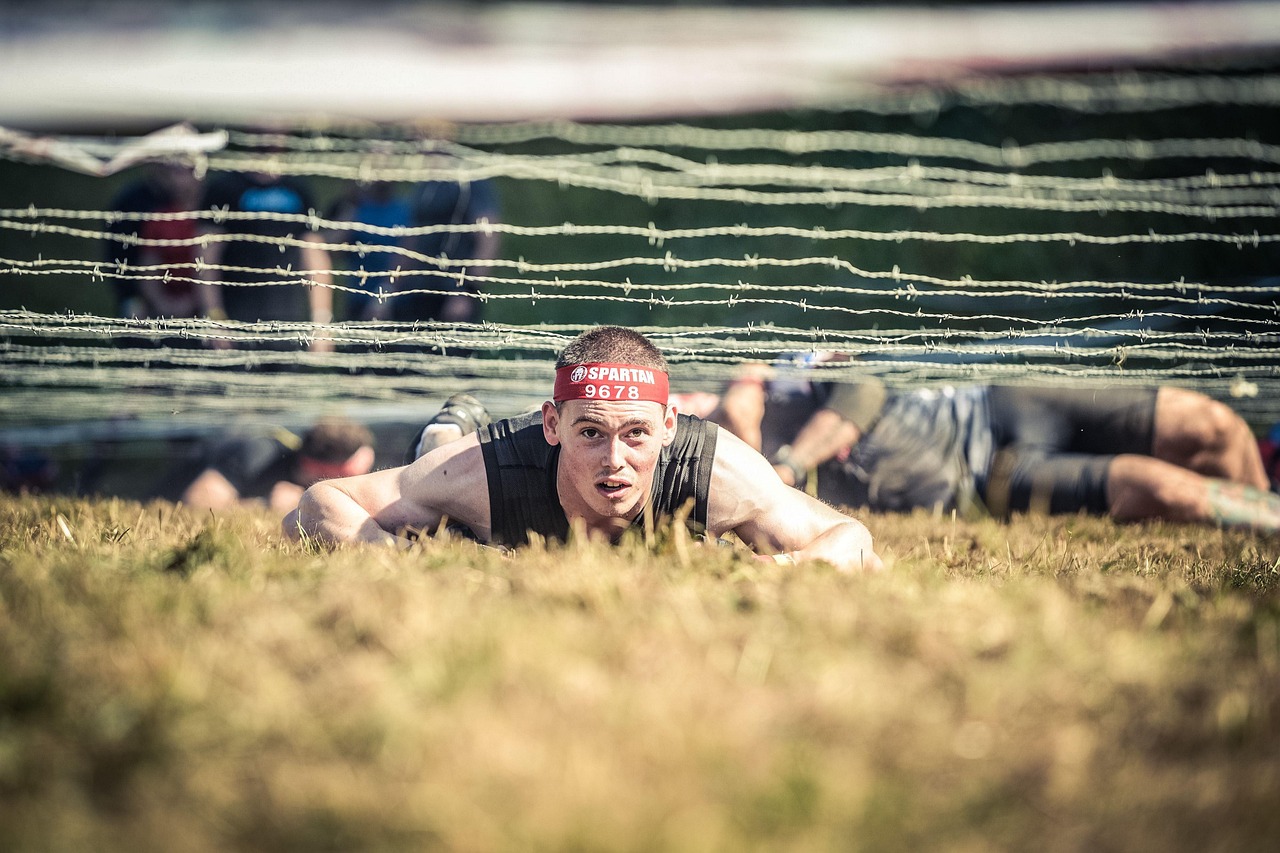

Defining Success: What OCR Race Results Tell Us About Athletes
Obstacle Course Racing, or OCR, has surged in popularity over the recent years, engaging a diverse group of athletes. Understanding race results and records is paramount for aspiring competitors. Successful athletes often exhibit distinctive traits reflected through their times, obstacle completion rates, and overall endurance. OCR provides a platform to analyze these talents, offering insights into their training regimens. Athletes frequently adopt specific strategies to tackle a variety of obstacles, requiring a combination of strength, agility, and mental fortitude. By studying a range of race results from various courses, patterns emerge. Some athletes consistently outperform others in specific aspects, whether it be climbing walls, crawling through mud, or carrying heavy objects. It’s essential to recognize that raw speed alone does not guarantee success in OCR. The results also reflect an athlete’s tactical planning during a race, showcasing their ability to adapt to unexpected challenges. As OCR matures as a competitive sport, comprehensive analysis of race results can help aspiring racers refine their approach. Learning from those who have succeeded offers invaluable lessons in perseverance, adaptability, and preparation for future races.
OCR races not only measure physical prowess but also highlight a competitor’s mental resilience. Examining records showcases varying levels of performance based on the race environment, which significantly affects results. Factors like weather conditions, course difficulty, and competitor psychology greatly influence outcomes. The time it takes to complete an OCR can vary widely; some courses are designed to be incredibly challenging, while others may favor speed over endurance. Therefore, true success in OCR transcends mere finishing times. To dive deeper, we can also analyze the demographics of successful athletes: their backgrounds, training methods, and prior experiences. Many champions in OCR come from diverse athletic backgrounds, often transitioning from sports such as running, martial arts, or gymnastics. In this respect, results inform us about the adaptability required in OCR. The versatility of stern mental and physical conditioning is essential. By training in various disciplines, athletes can cultivate the balance of skills needed for success in OCR. This diversity in training can lead to improved results across differing courses and conditions, providing a crucial edge. Additionally, the spirit of community and camaraderie fuels motivation for athletes to continuously improve their performance in OCR.
Impact of Community and Events on OCR Results
Participation in OCR is often influenced by community dynamics. Race events not only showcase individual performances but also foster camaraderie among participants. Athletes frequently share their challenges and successes, creating a network that supports growth. The encouragement found within this community can impact an athlete’s mental approach to races, consequently affecting their performance. How athletes respond in the heat of competition can greatly influence their overall results and records. Peer support proves essential, as it cultivates resilience in overcoming obstacles both literally and figuratively. In OCR, results also highlight the importance of teamwork during races. Collaborative events encourage runners to safely navigate obstacles while motivating one another. Critical insights can be gained from studying results from team-based races versus individual events. The dynamic of competing solo versus in teams showcases how support impacts success rates. In recent races, top athletes have recognized the value of collaboration, often participating in team-based events. Hence, success in OCR doesn’t solely rely on individual tenacity but on shared experiences and collective strategies. As events continue to evolve, understanding these community influences on results will remain crucial in shaping OCR’s future.
Analyzing OCR race results necessitates a comprehensive understanding of evaluation metrics. Traditional races often rely on raw finishing times, but OCR presents unique challenges requiring an expanded metric system. Metrics such as obstacle completion rates and penalties for failure are integral parts of evaluating performance. For instance, an athlete finishing with a penalty for missed obstacles may have a lower overall time than a competitor who finished later but completed every challenge successfully. Evaluating these variances provides deeper insights into an athlete’s overall capabilities. Furthermore, training methods emerge as a key area for discussion when reviewing results. High-performing athletes often incorporate diverse training regimes that cater to various aspects of OCR. Strength training for obstacle navigation mixes with endurance runs, reflecting the multi-faceted nature of OCR. Such preparation is evident in performances, revealing the intricacies that define success. Establishing effective training regimens based on previous results can be an insightful strategy for aspiring athletes. Ultimately, a round examination of race records reveals nuances implanted within performance metrics that tell athletes how to adapt their training methods for future challenges. Reflections on results facilitate continuous improvement necessary for growth in this field.
Embracing Innovation in Training and Results Analysis
As the sport of OCR progresses, embracing new technologies facilitates more sophisticated analysis of race results. Performance-tracking apps and wearable devices have emerged as vital resources, offering data-driven insights into training effectiveness. These innovations empower athletes to dissect their training sessions, enabling informed adjustments to enhance performances. With accurate measurements of statistics like heart rate, pace, and recovery times, athletes can optimize individual aspects stemming back to race results. This data can directly correlate with the athletes’ performance improvements. As athletes adopt these new tools, they become more efficient in their training methodologies. The trend towards data-focused training in OCR may redefine preparation strategies moving forward. Analytics now play a crucial role in guiding training regimens. Consequently, results will increasingly inform athletes on how to maximize their strengths while addressing weaknesses effectively. As technology continues to advance, the potential for incorporating artificial intelligence into training insights presents exciting prospects. Customized training based on real-time data from races may soon become the norm, creating a more tailored approach to athlete development. This focus on innovation positions OCR athletes for enhanced performance and continues driving the evolution of the race landscape.
The journey to achieving peak performance in OCR is undeniably multifaceted, often comprising both success and overcoming adversity. Studying race results reveals moments of triumph as well as the challenges that athletes face to reach their goals. Learning to navigate the inevitable obstacles—physical, emotional, and logistical—becomes integral to long-term success. Perseverance plays a vital role, as athletes must maintain motivation despite setbacks and difficult races. Records gleaned from previous events provide reminders of resilience during difficult times and motivate athletes to remain steadfast. Understanding that success isn’t linear allows athletes to embrace the broader journey encompassing training evolution and personal growth. In fact, many elite OCR athletes emphasize the emotional journey surrounding races as much as the competitive aspect. By sharing their stories of struggle and recovery, they illuminate the paths that lead to excellence. Established connections resonating through community narratives reflect a universal trait among those drawn to OCR. Therefore, analyzing results alongside these narratives encourages a broader understanding of success that transcends just finishing times. Recognizing achievements in OCR encompasses celebrating unique journeys accompanied by dedication, growth, and passion for the sport.
Future of OCR Records and Performance
Looking ahead, the future of OCR race results and records promises to be dynamic and ever-evolving. As the sport attracts new enthusiasts, a greater diversity of athletes will contribute to innovative performances. This influx encompasses a range of skill levels, ultimately pushing the boundaries of current race records. Moreover, as competition intensifies, athletes will continually strive for improvement, breaking barriers previously deemed unbreakable. Exciting developments around race formats, obstacle designs, and technology integration point towards a bright future, amplifying the excitement surrounding OCR. Incorporating alternative race styles and formats adapts to athletes of varying training backgrounds. This evolution creates new opportunities for performance records to emerge. Furthermore, in-depth analysis of results will unlock fresh methodologies within athlete training, enhancing participant strategies effectively. An emphasis on embracing a holistic perspective toward performance metrics fosters growth within the professional community of OCR. Finally, as OCR evolves, fostering a culture of collaboration among participants will ensure the sport thrives. This collective support can help to identify strategies that drive success catered to the entire community of OCR. With the dedication of both athletes and supporters, the OCR landscape is poised for exciting transformations ahead.
As athletes embrace the ongoing evolution of OCR and its outcomes, they stand to gain immensely. They can learn from experiences shared by others to navigate their courses more effectively. By analyzing trends within race results, athletes can pinpoint areas for personal growth and improvement. Gaining insights into their performance allows dedicated competitors to outline tangible goals that take into consideration both strengths and weaknesses. Subsequently, as OCR continues to expand in popularity, constructing frameworks around race results becomes increasingly important, ensuring support for athlete development. The community surrounding OCR is vital, creating an ecosystem that nurtures potential. For aspiring athletes, learning from established champions and gradual adaptation to challenges is essential. By maintaining a focus on growth, cultural perceptions of success within OCR transform. The trajectory of race results serves as a reflection of the sport’s progression, indicating advancements in training and performance standards. As racers cross finish lines and work towards breaking personal records, their achievements echo the exhilarating nature of OCR. Ultimately, embracing the knowledge gleaned from race results empowers athletes to define their own measures of success as they carve their path within OCR.