
Energy Healing Modalities to Prevent Sports Injuries
Sports injuries can be detrimental to athletes, often hindering both performance and overall well-being. Fortunately, energy healing modalities present an innovative approach to preventing these injuries by enhancing the mind-body connection. These methods are believed to influence the body’s energy systems, facilitating holistic healing processes. Techniques such as Reiki, acupuncture, and crystal healing focus on realigning energy flow, promoting balance and recovery. While these practices vary significantly, their common goal is to empower individuals by restoring harmony between mind and body. Athletes can harness the power of these modalities to enhance endurance, flexibility, and muscle recovery, thereby mitigating injury risks. Awareness of personal energy levels is essential, as fluctuations can lead to fatigue or injury. This preventive approach emphasizes mindfulness and self-care, fostering an optimal state for peak performance. Incorporating energy healing into regular training routines can cultivate a deeper sense of bodily awareness, ultimately leading to more successful injury prevention strategies and enhanced athletic capabilities. Ultimately, the integration of these healing practices empowers athletes to engage more fully in their sport while minimizing injury risks, creating a more vibrant engagement with physical activity.
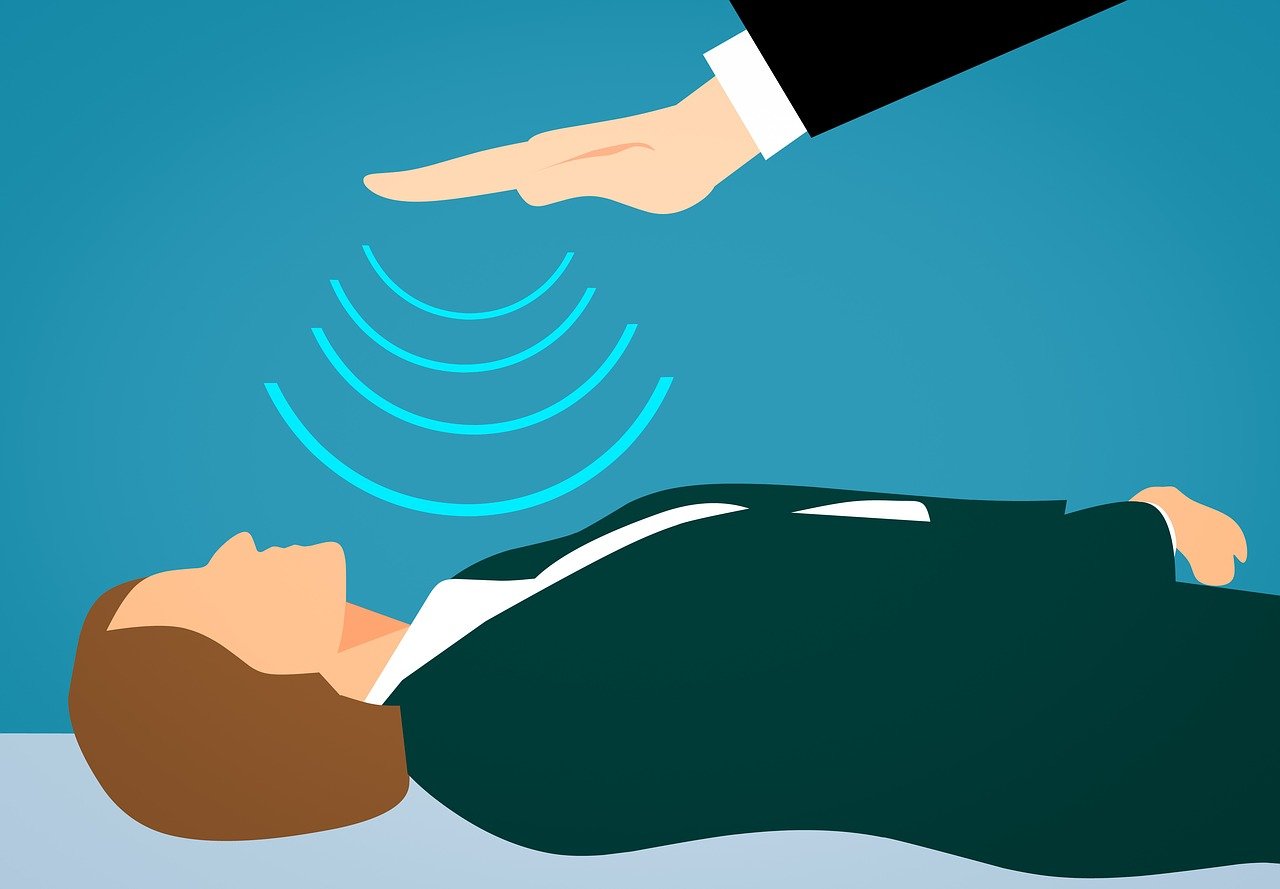
Many athletes are discovering the benefits of Reiki as an effective energy healing modality. This practice promotes relaxation and stress reduction by channeling universal life force energy. During a Reiki session, a practitioner lightly places their hands on or just above the athlete’s body. This stimulation encourages a deep sense of relaxation, aiding the body in its natural healing capabilities. As athletes encounter rigorous training regimens, muscle tension can accumulate, leading to potential injuries. Reiki sessions can help alleviate this accumulation by promoting emotional and physical well-being. The balance achieved through Reiki can help boost insights into one’s own body, thus enhancing performance levels. Additionally, Reiki is also easy to integrate into regular training schedules. Athletes can combine Reiki treatments with their existing therapy regimes, enhancing the overall effectiveness and keeping them aligned with their energy levels. Rather than viewing training purely through a physical lens, embracing Reiki offers a fresh perspective that reinforces the significance of a balanced mind and body. By prioritizing energy balance through Reiki, athletes can tap into untapped resources for enhancing their performance while minimizing the likelihood of injuries.
Acupuncture is another powerful energy healing modality increasingly used in sports injury prevention. This traditional Chinese practice focuses on inserting thin needles into specific points on the body, known as meridians. By doing so, it is said to stimulate the body’s natural healing response and restore energy flow. Acupuncture can enhance circulation and relieve tension, which are essential factors in preventing injuries during athletic endeavors. Athletes frequently rely on acupuncture to alleviate pain and enhance recovery during intense training phases. Additionally, acupuncture can facilitate better sleep quality, ensuring athletes feel rested and ready for their next challenge. Enhanced sleep contributes significantly to overall physical performance and reduces the risk of injuries. Practitioners often customize treatment plans tailored specifically to individual athlete needs, thereby maximizing the modality’s effectiveness. Some studies also suggest that acupuncture could improve flexibility and joint mobility, which are critical attributes for many sports. Integrating acupuncture into an athlete’s training showed promising potential for injury prevention while aligning their physical and mental states, promoting even greater overall well-being and performance.
The Role of Crystals in Energy Healing
Crystal healing is an ancient practice that has gained renewed interest among athletes seeking injury prevention methods. Crystals possess unique vibrational frequencies, believed to aid in balancing and aligning an individual’s energy fields. For athletes, crystals like amethyst, clear quartz, and black tourmaline can assist in promoting physical strength, mental clarity, and emotional stability during training and competition. Various crystals can be placed strategically on the body or carried as stones during physical activities. This practice can help safeguard against emotional and physical tensions that often arise from competitive settings. Moreover, crystals can be used during meditation to deepen the mind-body connection, fostering awareness of energy that flows through muscles and joints. Incorporating crystal healing into training rituals can have a profound impact on an athlete’s sense of groundedness and harmony. As practitioners begin to explore the benefits of unique energetic properties, athletes can experience a heightened sense of stability and resilience. In turn, this holistic approach enables athletes to remain engaged, focused, and strong, ultimately minimizing their susceptibility to injuries during intense physical trials.
Mindfulness practices encompass exercises designed to strengthen the connection between mind and body. When athletes practice mindfulness, they cultivate awareness of their physical sensations, thoughts, and emotions. This self-awareness can enhance decision-making and performance under pressure, significantly reducing the likelihood of injuries. Techniques like yoga and meditation serve as perfect examples of how this awareness can manifest in physical activities. This practice not only allows athletes to tune in to their bodies but also brings focus to proper body alignment and posture during movement. Equally important is the ability to recognize and release tension, enabling athletes to function optimally in competitive situations. Just as energy healing modalities focus on maintaining energy balance, mindfulness practices supplement this by promoting mental clarity and emotional stability. Athletes can train their minds to focus on the present moment, significantly reducing anxiety and panic during competitions. Regular integration of mindfulness practices in routines can lead to improved performance levels while preventing physical harm. This approach strengthens the athlete’s body-mind connection, encouraging high-level performance with reduced risk of injury in various sports.
Holistic coaching targets both physical and emotional components of an athlete’s training regimen. It integrates various modalities of energy healing, such as Reiki, acupuncture, and mindfulness, to foster well-rounded improvement. Coaches can facilitate the incorporation of energy modalities into existing training programs, ensuring that athletes maintain balance and harmony. By providing guidance on how to utilize these techniques, holistic coaching enables athletes to develop a deeper understanding of themselves and their unique energy patterns. Furthermore, addressing emotional components helps empower athletes to approach their competition with confidence and resilience. Many athletes report feeling more grounded and capable when guided through holistic coaching, positively impacting their performance. Emphasizing emotional well-being serves to reduce the impacts of stress and anxiety, effectively minimizing their risks of injury. As sports become increasingly competitive, mental and emotional awareness becomes paramount in the realm of injury prevention. By recognizing the importance of a holistic approach, coaches and athletes can work together to create a supportive environment conducive to thriving in the sport. Such collaboration lays the foundation for longevity and success in an athlete’s career while also nurturing their overall well-being.
Conclusion: Embracing Energy Healing
The recognition of energy healing modalities as legitimate avenues for injury prevention is gaining traction within the sports community. Athletes are increasingly exploring energy practices to enhance their performance and maintain balance during rigorous training. Their integration can positively influence recovery times and encourage mental clarity, enabling athletes to perform at their best. The blending of traditional practices like Reiki and acupuncture with contemporary mind-body approaches such as mindfulness deepens athletes’ awareness of their energy levels. Each aspect promotes a greater connection between the athlete’s mental state and physical capabilities. The increasing acceptance of these modalities reflects a growing understanding that success in sports is not solely about physical prowess; it requires an integrated approach that encompasses mental and emotional health. Athletes embracing energy healing modalities position themselves for greater overall success while mitigating the risks of injuries. As the sports landscape continues to evolve, the connection between energy healing and performance becomes ever more evident. This ongoing journey motivates athletes to prioritize both their physical and energetic well-being while pursuing their career goals with resilience and grace.
{