
Essential Safety Tips for Rock Scrambling Adventures
Rock scrambling is a thrilling outdoor adventure that requires not just skill but also significant safety awareness. Before heading into the wilderness, it is essential to prepare adequately. Begin by understanding the route you’ll take, which includes studying maps and any available beta on the area. Always inform someone of your plans, including estimated return times. Additionally, choose a partner instead of going solo; having a buddy can keep you both motivated and provide assistance should any issues arise. It’s wise to assess the weather conditions before your outing, as rocky terrains can become particularly treacherous during rain or snow. Dress in appropriate clothing that allows for freedom of movement and layering, accommodating changing temperatures. Equally important is wearing the right footwear, as this can dramatically affect your grip on rocky surfaces. Proper equipment such as helmets, gloves, and harnesses increases your safety significantly. Being aware of your physical limits is also crucial; know when to turn back if conditions become too challenging. Never rush, as haste can lead to missteps. A great day out requires patience, planning, and proper execution.
Understanding Equipment and Gear
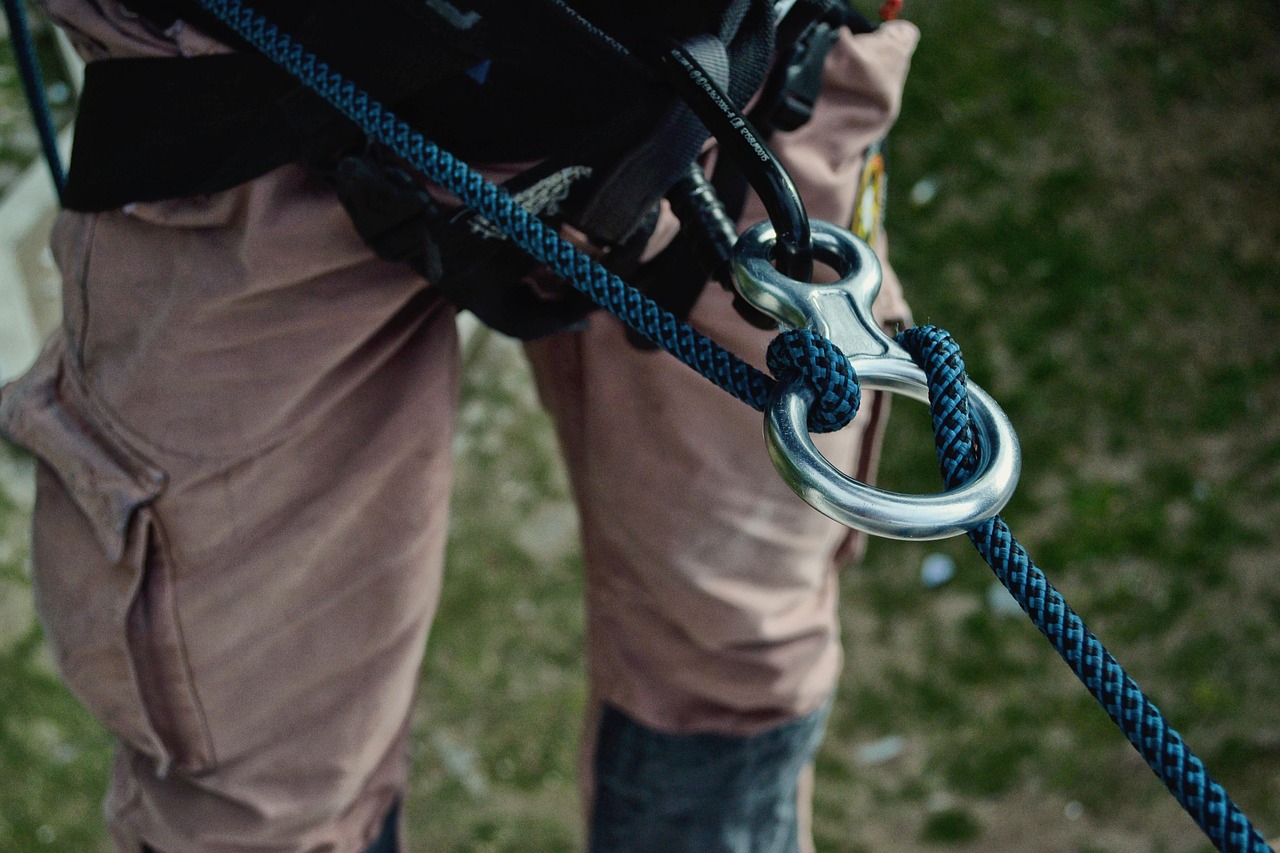
When preparing for a rock scrambling adventure, understanding your equipment is paramount. Start by ensuring you have a reliable climbing helmet. This will protect your head from falling rocks and any missteps that could lead to a fall. Sturdy, comfortable footwear is also vital. Consider investing in climbing shoes with good grip to enhance traction on rocky surfaces. Essential climbing gear such as carabiners, slings, and belay devices should not be overlooked. Before your trip, familiarize yourself with how to use each piece of equipment effectively, as this knowledge could save your life in an emergency. Consider carrying a first-aid kit and possessing skills in basic first aid; it’s always better to be prepared. Additionally, be sure to wear weather-appropriate clothing. Lightweight, moisture-wicking fabrics that dry quickly are ideal. A comprehensive water supply should also be included in your gear, as staying hydrated is crucial during strenuous activity. Equip yourself with a map, compass, or GPS, ensuring you can navigate successfully. Check and maintain all equipment regularly, ensuring it is in perfect condition before your adventure starts.
Regardless of your expertise level, mental preparation is essential for rock scrambling. Take the time to mentally visualize your route and the challenges you may face. Assess your strengths and weaknesses, ensuring you have a clear understanding of your abilities. It is often helpful to practice basic climbing techniques before tackling more advanced scrambling routes; this can significantly boost your confidence. Scouting your route can also be beneficial, allowing you to identify potential hazards and obstacles beforehand. Reflect on previous experiences, especially any mistakes made, and learn from them to improve your skills. Having a calm and focused mindset will enable you to react better when challenges arise. Establish a few strategies for communication with your partner, ensuring you effectively coordinate movements. Use hand signals or verbal cues to prevent any misunderstandings during the scramble. Furthermore, embrace mindfulness techniques that can keep you grounded in the moment. Remind yourself that it is normal to feel nervous, but taking measured risks is often part of the adventure. A well-prepared mind is just as important as physical readiness when navigating rocky terrain.
Assessing Risk Factors
Before embarking on any rock scrambling adventure, assessing the risk factors associated with your specific ascent is crucial. Take time to consider the terrain and its challenges, identifying sections that may require advanced skills. Evaluate the weather forecast diligently, as adverse weather can lead to dangerous conditions. Be aware of rock stability; loose stones can pose significant threats. Examine your own physical condition, acknowledging if you’re prepared for the demands of a scramble. Fatigue can rapidly decrease your ability to make sound decisions, so listen to your body. It is wise to bring a partner along, as scrambling becomes safer with two sets of eyes scouting the path ahead. Do not hesitate to turn back if you encounter unexpected difficulties; safety should always take precedence over reaching the summit. Inquire about any specific risks characterizing the chosen route, such as avalanche dangers or wildlife encounters. Keep an eye on the time; be conscious of daylight limitations as trekking in the dark heightens risks significantly. Preparedness can significantly reduce anxiety and contribute positively to your overall experience. Remember, the objective is to enjoy your adventure safely.
In any adventurous activity, first aid knowledge is paramount, and rock scrambling is no exception. Accidents can happen, and being prepared can mitigate their consequences. Carry a well-stocked first-aid kit tailored for outdoor adventures, ensuring it contains essentials like adhesive bandages, sterile gauze, antiseptic wipes, and pain relief medication. Familiarize yourself with each item in your kit, confirming you know when and how to use them. Before embarking, consider taking a wilderness first aid course; these courses provide invaluable skills, including how to handle common injuries such as sprains, fractures, or cuts. Fixing a wound on the spot can prevent infection and stabilize the situation until help arrives. Understand the dos and don’ts of first aid, as poor application can worsen injuries. Develop a plan for emergencies, including how to contact emergency services in remote areas if necessary. Ensure everyone in your group is aware of first aid procedures for a coordinated response. Being knowledgeable in first aid not only equips you to handle injuries effectively but significantly boosts your confidence during challenging encounters on the mountain.
Post-Adventure Recovery
After an exhilarating day of rock scrambling, it’s important to focus on recovery. Physical exertion from scrambling can be taxing on your body, so allow yourself adequate time to rest and replenish your energy. Hydration shouldn’t end with the adventure; continue to drink water afterward to rehydrate your body. Eating a well-balanced meal will restore your energy levels, so aim for foods rich in protein, carbohydrates, and healthy fats. Gentle stretching post-scramble can ease muscle tension and prevent stiffness while improving flexibility. Rest is critical, so listen to your body; if you feel fatigued, don’t hesitate to take a day off for recovery. Pay attention to any injuries sustained; even minor ailments can develop further if not properly cared for. Reflecting on your adventure allows you to understand what went right and what you could improve for next time, ensuring continual growth in your outdoor skills. Keep a journal to document your thoughts and experiences, which could serve as both motivation and a valuable resource for future adventures. Most importantly, celebrate your accomplishments and enjoy the rewards of facing your fears.
Rock scrambling is a thrilling way to connect with nature, but it brings certain risks that should never be disregarded. Observing proper safety tips is essential to ensuring an enjoyable experience. Preparation stands at the forefront; the time invested in planning and assessing risks pays off significantly during your adventure. Invest in appropriate equipment, ensure rigorous training, and focus on mental preparedness to boost confidence. Always prioritize safety above reaching your destination; be willing to turn back when faced with danger or exhaustion. Hone your first aid skills; while accidents should be avoided, it is important to be ready for potential mishaps should they occur. Post-adventure recovery is equally important as the scramble itself, as it allows your body to recuperate while enhancing future performance. Finally, remember to enjoy the moments spent outdoors and embrace every challenge with an open heart and a clear mind. Rock scrambling can be rejuvenating and exhilarating, offering both physical and mental benefits. It promotes a deep connection to nature while boosting confidence and enhancing resilience. With careful planning, safety awareness, and the right mindset, your rock scrambling adventures can be unforgettable.
Finally, as you engage in rock scrambling, immerse yourself in the experience and appreciate the beauty of nature around you. The adrenaline rush of scaling rocky landscapes can be exhilarating, and taking it all in will create lasting memories. Embrace the camaraderie with your scrambling partner; sharing stories and challenges enriches the adventure significantly. Always note landmarks and distinctive features of the landscape to enhance your navigation skills. Taking photos can also help document your journey while providing an enjoyable way to look back on your experiences. Engage with fellow adventurers when you encounter them; sharing tips and techniques can foster friendships and improve your own proficiency. Reflecting on your achievements, whether big or small, creates a sense of accomplishment that boosts your confidence for future scrambles. Should time permit, visit local climbing gyms or outdoor clubs to improve your technique and skills further. Remember, every rock scramble is not just a physical challenge but also a mental one; facing and overcoming fears can lead to personal growth. Enjoy every moment spent in the great outdoors; rock scrambling is not only a sport but a gateway to adventure and connection.