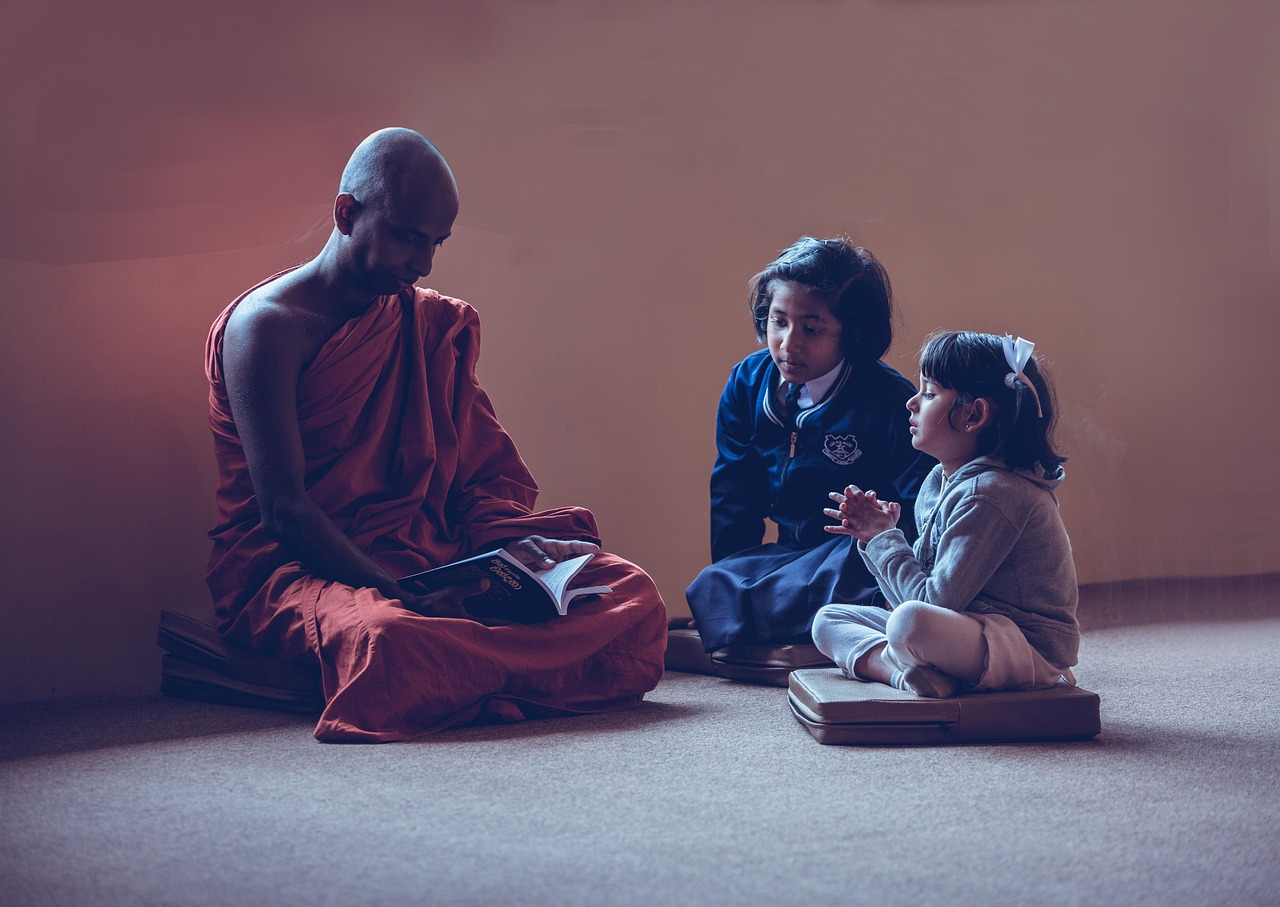

Teaching Mindfulness and Wellness to Children
Teaching mindfulness and wellness to children is an essential aspect of developing a healthy mindset. Mindfulness practices equip kids with tools to manage stress and emotions effectively. Simple techniques like deep breathing and being present can enhance their ability to concentrate. Regular practice helps children become more aware of their thoughts, feelings, and surroundings. It encourages a sense of calm amidst life’s inevitable challenges. Introducing mindfulness into their daily routines can be done in various fun ways. This could include creating a quiet corner for reflection, using guided meditation apps, or playing calming music. Engaging in physical activities like yoga or tai chi can also contribute to their overall wellness. These activities not only promote physical fitness but also foster mental well-being. Encouraging discussions about emotions and feelings helps normalize these conversations. Sharing stories that involve mindfulness can reinforce lessons in a relatable way. Inviting children to practice gratitude regularly reminds them of the positives in their lives. Fostering a healthy lifestyle at an early age can pave the way for lifelong habits that promote resilience and peace.
Mindfulness practices offer various benefits. For example, they can improve a child’s focus at school or home. By teaching kids to recognize their thoughts without judgment, they can release negative emotions more effectively. Moreover, cultivating mindfulness nurtures empathy and kindness. Children become more attuned to their peers’ feelings through guided exercises, leading to better friendships and social interactions. Engaging in activities that require concentration, such as mindful coloring or nature walks, establishes a solid foundation for these practices. As kids explore their environment mindfully, they learn to appreciate simple joys. In addition, incorporating mindfulness into family routines strengthens bonds. Family yoga sessions or meditation moments encourage shared experiences, fostering unity and love. Furthermore, educators play a critical role in integrating mindfulness into schools. They can utilize apps or resources tailored for children to facilitate learning. This not only enhances kids’ emotional intelligence but also reduces classroom stress. In conclusion, promoting a mindfulness-filled educational environment defines a setting for growth and understanding. Schools, parents, and communities must work together towards this common goal, highlighting the importance of mental well-being.
Wellness Activities to Implement
Incorporating wellness activities into children’s lives ensures a holistic approach to their development. Activities like gardening teach responsibility and patience. Experiencing nature can improve mood and cognitive functions. Cooking classes can also be beneficial, fostering healthy eating habits. Children actively participating in meal preparation are more likely to try new foods. Here’s a list of other wellness activities that can enhance their lifestyle:
- Daily exercise routines like jumping rope or biking
- Creating a family walking challenge
- Engaging in team sports
- Having regular outdoor playdates
Such activities not only promote physical health but also mental wellness. Regular physical activities reduce anxiety levels and improve overall well-being. Furthermore, incorporating educational games focused on wellness creates a fun and engaging atmosphere. These games can teach children about nutrition, fitness, and mental health subtly. Developing an awareness of their bodies and mental states enhances self-esteem. Moreover, learning to make thoughtful decisions regarding their health is crucial during childhood. This foundation is instrumental for maintaining a healthy lifestyle into adulthood. Overall, establishing such traditions can enrich their lives significantly.
To ensure lasting change, it’s vital to provide children with positive role models. Adults should strive to demonstrate mindfulness and wellness in their own lives. Children naturally gravitate towards imitating the behaviors of significant adults in their lives. This might include practicing yoga or showing emotional regulation during stressful situations. Sharing personal experiences can help children understand that everyone encounters emotional ups and downs. Moreover, hosting family discussions about challenges fosters an environment of trust and openness. Children should feel supported in expressing their feelings. Furthermore, involving kids in community service can build resilience and empathy. Knowing they can positively impact their surroundings reinforces a sense of purpose and connection. Allowing them to volunteer teaches valuable life lessons about diversity and inclusion. Community activities also create opportunities for social interactions and teamwork. This enriches their emotional development. Encouraging participation in cultural activities and events broadens their viewpoints and understanding of others. A diverse network can significantly enhance their social skills. Therefore, fostering connections through shared interests strengthens their foundations. Cultivating a culture of wellness will not only help children thrive but will also promote a healthier generation.
Challenges in Teaching Mindfulness
While teaching mindfulness to children is enriching, it can also pose challenges. Many children may struggle with attention spans, making it difficult to engage them in mindfulness activities. Techniques such as mindful breathing may require constant encouragement. Patience is essential when trying to instill these practices in young minds. Children often have active imaginations and need entertaining ways to learn. Integrating fun games into mindfulness sessions can maintain their interest. There may also be resistance to change, especially if students are accustomed to traditional learning methods. Gradual introduction and positive reinforcement can alleviate this challenge. Creating a safe space for exploration is crucial. Children should feel free to express discomfort and curiosity while learning about mindfulness. Additionally, balancing pressure from academic responsibilities alongside wellness practices is vital. Schools should provide training for teachers to help them effectively implement mindfulness curricula. Parents can also contribute by creating mindfulness routines at home. Open communication about experiences will help understand the impact of mindfulness on their lives, fostering a supportive environment. Overall, recognizing challenges and addressing them positively will make mindfulness education successful.
Continuing the journey of fostering mindfulness and wellness requires commitment from all sides. Schools, parents, coaches, and the community must collaborate to support children’s practices. This cohesive approach can create a consistent environment anchored in mindfulness philosophies. Regular workshops and seminars can equip parents and educators to properly guide children through these practices. Understanding the requirements of children helps tailor activities suited to various age groups. Moreover, incorporating feedback from the children themselves adds value to their learning experiences. Letting them voice preferences for activities can increase engagement significantly. Sustainability of such programs is necessary for long-term benefits. Schools should allocate time within the schedule specifically for wellness activities. Initiatives promoting mindfulness should be integrated into daily lessons where appropriate. Awareness campaigns can also highlight the importance of comprehensive wellness for the entire family. Celebrating special days or weeks dedicated to mindfulness reinforces community involvement. Seasonal mindfulness challenges can keep children actively engaged throughout the year. This way, children develop and sustain healthy habits while enjoying the journey. Our goal of enriching children’s lives through mindfulness will lay a strong foundation for positive mental and physical health.
Conclusion: The Future of Wellness
In conclusion, the future of wellness in children relies on teaching mindfulness and healthy living principles. It is crucial to prioritize these teachings in modern educational environments to create well-rounded individuals. As children grow into adults, the skills they acquire will influence their approaches to health, relationships, and work-life balance. Empowering them with tools to manage stress and emotions forms a healthier generation ready to face global challenges. Additionally, schools should actively collaborate with mental health professionals to refine their teaching. Continuous professional development ensures teachers feel confident in imparting mindfulness. Expanding accessibility to wellness resources also encourages participation from all families. Community partnerships can foster greater engagement and support. Incorporating feedback and adapting practices over time enhances the overall effectiveness of wellness education. Engaging local leaders in promoting these initiatives creates broader awareness within communities. Through developing mindful individuals, we foster compassionate leaders, nurturing environments, and healthier societies. Now is the time to embrace these practices and inspire children to cultivate self-awareness, resilience, and well-being for their future. United efforts will yield immeasurable benefits for everyone.
This article explores the significance of wellness and mindfulness for children while providing practical insights into implementation.