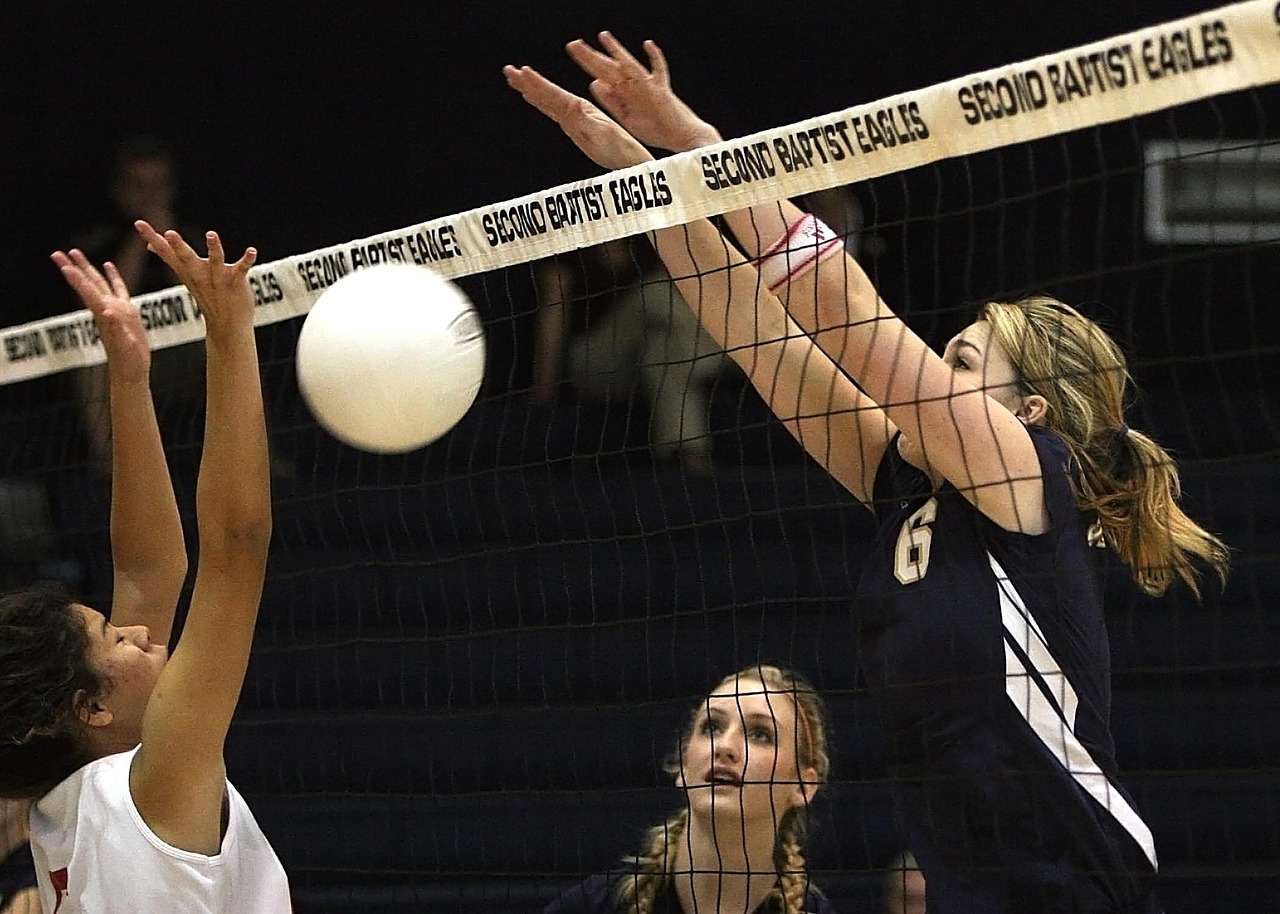

The Fundamentals of Volleyball Defense Strategies
Volleyball defense strategies are essential for any team to succeed in competitive settings. These strategies encompass a range of techniques that players must master to effectively counter adversary attacks. The foundation of a solid defense often includes an understanding of positioning, communication, and teamwork. To develop proficient defensive players, coaches should prioritize drills focused on footwork, reaction time, and anticipation. Engaging players in situational practices can vastly improve how they respond during games. Players should be encouraged to read hitters and adapt quickly, which hinges on sharp observation skills. Proper form and angles are also critical in a good defensive posture. Additionally, fostering an environment where players feel comfortable discussing defensive tactics is paramount. This supports a culture of continuous improvement, thus enhancing overall performance. Teams with effective defenses often see significant increases in success, resulting in more wins and sustained player morale. Overall, when foundational defensive concepts are understood and practiced diligently, teams become not only more cohesive but also formidable opponents against any rival. Learning and mastering these essential defensive strategies must be a key focus in any volleyball coaching program.
Positioning in volleyball defense is a crucial element of success on the court. Effective positioning allows players to maximize their defensive abilities, ensuring they can react swiftly to incoming attacks. Coaches must implement drills that specifically target auxiliary positioning skills, such as reading the opposing players and developing awareness of court dynamics. Players should learn to distribute themselves effectively based on the offensive strategies of the opponents, which often requires extensive practice. Ensuring players maintain a low center of gravity while positioning themselves can greatly enhance their agility and readiness to spring into action. Defensive formations will vary depending on the play, so flexibility is vital. Players need to communicate with each other continuously, providing verbal cues for movements and adjustments. Also, establishing a clear understanding of the court spaces is crucial for every athlete. Utilizing tools like video analysis can illuminate positioning mistakes and areas for improvement. Integration of technology can help players visualize their positioning during past games. This analysis empowers players to correct errors in real-time and allows for enhanced teamwork and synergy during critical match situations.
The Role of Communication
Communication among teammates plays a central role in effective volleyball defense strategies. Clear and loud communication enables all players to be aware of the game situation, ensuring they can coordinate efforts adequately. Coaches must emphasize the importance of verbal and non-verbal signals in training sessions. This will not only help players communicate during matches but also foster a better understanding of each other’s defensive roles. Establishing common terms for different defensive moves can significantly streamline interactions during gameplay. Moreover, players should practice calling out plays loudly to avoid confusion during hectic moments on the court. Building trust among teammates is equally important, as it allows players to rely on one another and feel confident in their collective abilities. Techniques like rallying or enjoying team-building exercises off the court can enhance relationships and communication dynamics. In addition, utilizing video reviews after matches can help highlight instances where communication improved teamwork or caused breakdowns. Coaches should analyze these moments with the team, allowing for growth in both individual and collective communication skills.
Another essential component of volleyball defense strategies is the anticipation of the opponent’s actions. Developing this skill allows players to adjust their positions and responses efficiently. Coaches should create drills that emphasize predicting possible plays based on the opponent’s formations and movements. Reliable anticipation hinges on watching the hitter’s approach closely, recognizing cues that signal their intended attack. Implementing exercises that focus on spatial awareness and cue recognition is vital in honing these skills. Additionally, defensive players must work on improving their reaction times, as quick responses are often critical to fending off powerful hits. Practicing specific scenarios where players must anticipate the path of the ball can develop this skill set effectively. Closed drills, where players focus solely on defending against incoming attacks without offensive distractions, can significantly improve focus and timing. Moreover, maintaining a strong mental attitude throughout games is imperative for effective anticipation. Encouraging a culture of mental resilience facilitates the development of players who can consistently anticipate and respond well, ultimately strengthening the team’s defensive performance against various opponents.
Footwork and Agility
Footwork and agility play a vital role in a successful volleyball defense strategy. A strong defensive player relies on well-honed footwork to position themselves correctly and react appropriately to attacks. Coaches should prioritize agility drills that focus on lateral movement, quick pivots, and explosive takes off to enhance these skills. Conditioning the lower body through exercises such as ladder drills and cone exercises can significantly improve response time and agility. Additionally, players should practice their footwork not only in isolation but also during complex team drills, allowing for seamless integration during matches. The ability to move quickly while maintaining balance and stability allows players to make strategic choices while defending. Combining footwork training with communication exercises will further elevate a player’s defensive prowess. When players are fluid in their movements, analyzing opponents become easier, leading to better anticipation skills. Regularly incorporating varied movements into practice sessions will keep players sharp and engaged. Providing constructive feedback on footwork can help players identify areas that require improvement, ultimately refining their overall defense and contributing to better teamwork.
Reading hitters is a critical aspect of volleyball defense that can have a profound impact on match outcomes. Educating players about reading hitting techniques can significantly enhance their defensive strategies. Coaches should teach defensive players how to watch body movements of opponents to predict where the ball will be attacked. Recognizing when an opponent is preparing to hit can enable a timely response, allowing defenders to position themselves appropriately. Practice sessions should include specific drills aimed at honing the ability to read hitters, using both live plays and video analysis. Pairing defensive players with skilled hitters during practice can allow defenders to gather insights on how certain body movements correlate with potential hitting directions. Furthermore, coaches should encourage players to maintain a low and ready posture while observing the opponents. This readiness can drastically alter defensive outcomes in critical match situations. Analyzing past games where defenses failed to read hitters correctly can foster discussion and learning opportunities. Fostering a mindset focused on continuous learning will help teams remain adaptable and proficient over time, ensuring sustained success on the volleyball court.
Conclusion and Encouragement
In conclusion, mastering the fundamentals of volleyball defense strategies is crucial for achieving success at any competitive level. Fundamental skills such as positioning, communication, anticipation, and footwork are critical to developing a well-rounded defensive team. Coaches play a significant role in this by designing practices that encompass these elements and creating an environment that prioritizes continuous improvement. Players must remain open to learning, taking constructive feedback seriously, and actively seeking opportunities for self-improvement. Building a cohesive team that understands each other’s strengths and weaknesses can enhance defensive performance. Furthermore, instilling confidence in players through supportive practices and healthy competition is vital. Engaging in team-building activities can strengthen bonds among players and enhance the understanding of necessary defense strategies. Remember, victory in volleyball requires both individual skill and teamwork. As each player embraces their role within the larger framework, the team’s defense will become more fluid and effective. In the world of volleyball, a strong defense can make or break a match, so dedicate time and resources to develop these critical strategies needed for success.
Developing proficient volleyball defense strategies is not only vital for success but also a valuable learning experience for players. Engaging in defense training fosters discipline and resilience. Beyond technical skills, strong defensive trainings encourage communication and support among teammates. As volleyball players refine their defensive strategies through rigorous practice, they cultivate an understanding of the game’s strategic aspects. This deep appreciation helps players become well-rounded athletes. As coaches emphasize the importance of volleyball defense, they also teach valuable life lessons in teamwork, perseverance, and adaptability. The purpose of effective defense extends beyond matches; it shapes character and builds strong relationships. Therefore, investing in volleyball defense strategies represents a commitment to excellence in both sports and personal development.