
Top Supplements to Boost Your HIIT Performance
High-Intensity Interval Training, or HIIT, has gained immense popularity due to its effectiveness in burning fat and improving cardiovascular fitness. For those looking to enhance their performance, supplements can play a crucial role. Choosing the right supplements can provide the necessary energy and endurance to maximize each workout session. Here, we explore the essential supplements that can elevate your HIIT experience. From energy boosters to recovery agents, these supplements help streamline your regimen. Understanding the needs of your body while engaging in intense training is vital. Supplements can help close nutritional gaps, particularly if your diet does not fully support your workout demands. Before starting with any supplement, it’s advisable to consult with a healthcare provider, ensuring it aligns with your fitness goals. When considering a supplement, look for high-quality ingredients that are scientifically supported. Always read labels carefully to avoid allergens and unnecessary additives. Effectiveness varies from person to person, so paying attention to your body’s response is important. Using supplements as part of a well-rounded fitness and nutrition plan can significantly enhance HIIT results.
Creatine is widely recognized as a powerful supplement for those engaging in high-intensity workouts. It helps increase your muscle phosphocreatine stores, essential for the rapid energy demands of HIIT. When you supplement with creatine, you can expect enhanced strength, greater power output, and improved recovery times. This allows you to push harder during workouts and recover more efficiently afterward. As a result, creatine supports increased performance, leading to better HIIT results. Consider incorporating creatine pre- or post-workout for optimal absorption. There are various forms available, including powder and capsules, but high-quality creatine monohydrate is often recommended for its proven effectiveness. Staying properly hydrated while using creatine is essential, as it draws water into your muscles. This may lead to weight gain, which is primarily water weight. Additionally, some individuals may experience gastrointestinal discomfort; starting with smaller doses can help mitigate this. As with any supplement, monitoring your body’s response is key. If you maintain a balanced diet and include sufficient protein, the effectiveness of creatine can be maximized. Always remember that supplementation should complement a disciplined workout plan and nutrition strategy.
The Role of Protein Supplements
Protein supplements are critical for individuals involved in HIIT, as they support muscle repair and growth. After strenuous workouts, your body requires protein to recover effectively, rebuilding damaged tissues and promoting muscle synthesis. Opting for protein powders, such as whey, casein, or plant-based options, can provide a convenient solution to meet your daily protein goals. Whey protein, in particular, is popular for its quick absorption rate, making it ideal for post-workout consumption. It’s essential to choose high-quality protein sources, ensuring they contain minimal additives or fillers. Timing your protein intake can also affect recovery; consuming a shake within the post-workout window is ideal. Plant-based protein options are increasingly popular, with choices like pea, brown rice, and hemp protein. They offer great alternatives for vegetarians and vegans while providing essential amino acids. Incorporating protein-rich snacks throughout the day ensures you meet your protein needs adequately. Balancing your protein intake with carbohydrates and fats is necessary for overall health and performance. A well-rounded diet should support your training regimen, maximizing the impact of the supplements you choose.
Branched-Chain Amino Acids (BCAAs) are essential to consider when looking to enhance HIIT performance. BCAAs consist of three amino acids: leucine, isoleucine, and valine, which play a vital role in muscle recovery and energy production. By consuming BCAAs before or during your workout, you can potentially reduce muscle soreness and fatigue, allowing for more intense training sessions. This can be particularly beneficial in HIIT, where energy levels can drop quickly during intense intervals. Research indicates that BCAAs may help mitigate exercise-induced muscle breakdown, promoting quicker recovery times. Including BCAAs in your supplement routine can be especially advantageous during periods of caloric restriction or intense training, where muscle preservation is crucial. Look for high-quality BCAA products that offer a suitable ratio of these amino acids, ideally around a 2:1:1 ratio. The taste and form of BCAA supplements vary as well – options include powders or capsules. Drinking BCAAs mixed with water during workouts can contribute to hydration while supplying your muscles with essential nutrients. Always consult with a healthcare professional before adding new supplements to ensure they cater to your fitness goals.
The Impact of Caffeine
Caffeine is one of the most widely used performance-enhancing supplements, known for its ability to boost energy and focus. For individuals participating in HIIT, caffeine can be particularly advantageous for improving endurance and reducing perceived exertion levels. This means you may push harder during your high-intensity workouts and improve performance outcomes. Consuming caffeine approximately 30 to 60 minutes before a workout can help maximize its benefits. However, individual tolerance to caffeine can vary significantly, necessitating careful dosage adjustments. Within workout supplements, caffeine can be found in various forms, such as pills or pre-workout powders. It is essential to consider your individual response to caffeine, as some may experience jitters or digestive discomfort. Maintaining appropriate hydration levels is crucial when using caffeine as a supplement to counteract its diuretic effects. Caffeine can also aid in fat oxidation during exercise, making it an effective fat-burning supplement during HIIT. It’s advisable to avoid excessive intake, as it may disrupt sleep patterns and lead to dependence. Monitoring usage and timing can optimize the benefits of this powerful stimulant.
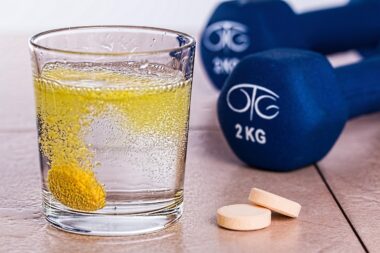
Electrolyte supplements are often overlooked but are crucial for HIIT workouts. Intense exercise leads to significant fluid and electrolyte losses through sweat, necessitating replenishment for optimal performance. Maintaining electrolyte balance is vital for preventing dehydration and muscle cramping. Sodium, potassium, calcium, and magnesium are key electrolytes that support various bodily functions, including muscle contractions and nerve signaling. Consuming an electrolyte drink before, during, or after your HIIT sessions helps ensure adequate hydration and electrolyte replacement. It is particularly important during hot weather or prolonged workouts when dehydration can occur rapidly. Be mindful of sugar content in electrolyte drinks, opting for low-sugar or zero-sugar alternatives when possible. This can help avoid unnecessary calorie consumption. For those who prefer natural options, coconut water is a great source of electrolytes without added sugars. Some individuals may choose to supplement with specific electrolyte tablets for convenience. Testing different formulations may help determine what works best for your body. Ensuring electrolyte balance can substantially affect performance and recovery, specifically in high-intensity training, which demands optimally functioning muscles and hydration.
Conclusion: Choosing the Right Supplements
When it comes to supplements for boosting HIIT performance, individual needs can vary widely. A well-designed supplement plan should reflect personal fitness goals, dietary preferences, and any medical conditions or restrictions. Alongside the supplements mentioned, maintaining a nutritious diet, adequate hydration, and proper sleep are foundational elements crucial for maximizing HIIT outcomes. Supplements should complement a solid training foundation rather than replace critical nutritional needs. Prioritizing whole foods rich in vitamins, minerals, and macronutrients establishes a strong background for recovery and performance. Through intentional choices, individuals can effectively harness the benefits of HIIT-specific supplements. A thorough evaluation of ingredient quality, efficacy, and personal goals will guide proper choices. Remember that no single supplement guarantees success; consistent effort in all areas of fitness ultimately yields the best results. As you consider introducing supplements, keep track of how they impact your training and adjust accordingly. This personal approach will help fine-tune your regimen for optimal outcomes during your HIIT sessions. Therefore, a balanced approach, combined with dedication and consistency, will pave the way for success.
In conclusion, the right HIIT supplements can significantly enhance your performance by providing the nutrients your body needs to recover and excel. Remember to consider individual needs and consult a fitness or health professional when selecting the right supplements for your regimen. With the right guidance, you can maximize the benefits of your HIIT workouts through smart supplementation.