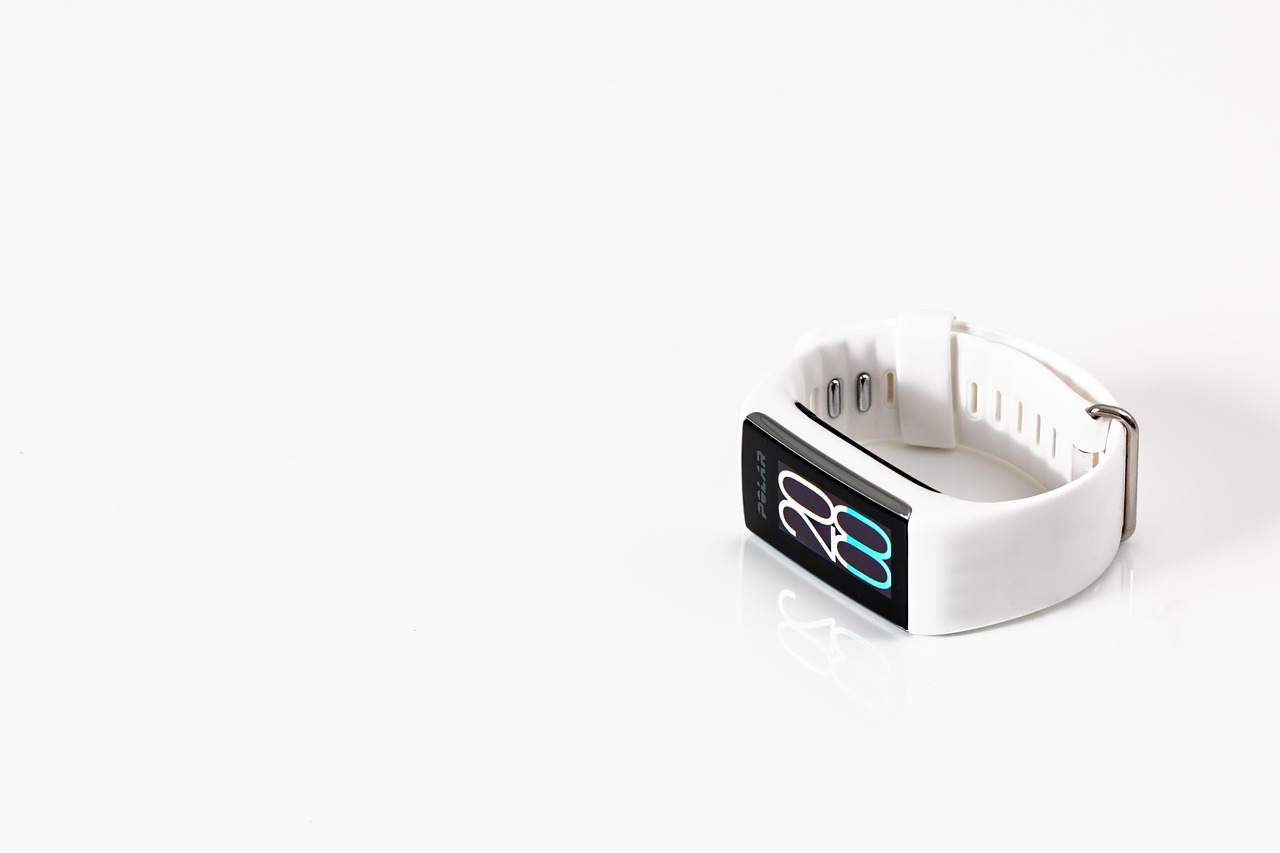

Voice-Enabled Fitness Wearables for Smart Training Sessions
Voice-enabled fitness wearables have revolutionized the way individuals approach their workouts, making fitness more accessible and enjoyable. These innovative devices integrate advanced speech recognition technologies, allowing users to interact seamlessly. Users can access essential information hands-free, which enhances their training experience significantly. Imagine a runner receiving real-time feedback on their pace or heart rate, simply by asking their wearable. This functionality not only encourages more efficient workouts but also promotes safety, as athletes keep their focus on their physical exertion. Additionally, voice control eliminates the need for fiddling with devices mid-exercise, which can often lead to distractions. Fitness enthusiasts can also customize their training regimens and listen to motivational cues without interrupting their flow. Moreover, the increased user engagement with voice-responsive features can help individuals achieve their fitness goals more effectively. With reliable analytics, these wearables empower people to track their improvements over time, creating a sense of accomplishment. Ultimately, this fusion of technology and personal fitness leads to enhanced wellness journeys, making voice-enabled fitness wearables a must-have for anyone serious about their health.
Benefits of Voice Control in Fitness Wearables
Voice control offers numerous benefits that enhance the functionality and user-friendliness of fitness wearables. Firstly, the convenience of being able to issue commands without using hands is invaluable during workouts. Whether lifting weights or cycling, users can manage their devices effortlessly. This hands-free operation ensures that users stay safe and focused while exercising. Secondly, voice feedback fosters real-time communication regarding performance metrics. Factors like heart rate, calories burned, and distance traveled can be retrieved instantly through simple vocal prompts. This immediate access facilitates immediate adjustments to training plans, optimizing results. Furthermore, voice-enabled fitness wearables are often designed to personalize workouts. Each user can tailor their commands and preferences, ensuring a customized experience. Moreover, seamless integration with existing health apps, like Google Fit or Apple Health, enhances the overall experience. These devices can learn from user interactions and improve recommendations over time, leading to better decision-making in training strategies. Lastly, with the advancement of artificial intelligence in voice recognition, the accuracy and reliability of these systems continue to improve. This enhances user confidence and encourages the consistent use of wearables in achieving fitness goals.
With the growing trend in voice-enabled technology, it becomes crucial to examine how these innovations impact user motivation and adherence. User engagement is significantly enhanced when fitness devices comprehend and respond to commands accurately. Instead of struggling with buttons or screens, users find it empowering to interact verbally, which can lead to increased consistency in their workout routines. Motivational strategies become more effective, as voice-controlled prompts can provide encouragement during tough sessions. Users may feel more accountable to their machines and, by extension, to themselves. Additionally, using smart voice assistants allows for seamless integration into users’ daily lives. By setting reminders or scheduling workouts via voice, individuals can easily incorporate fitness into busy days. This approach helps build a sustainable fitness lifestyle rather than sporadic exercise attempts. Furthermore, social features can be facilitated through voice functionality, allowing users to connect with friends for joint workouts or challenges. The result is a more enjoyable fitness experience, which often translates to longer-term adherence. Indeed, when motivation is intrinsically tied to efficiency, productivity, and enjoyment, users are more likely to stay committed to their fitness journeys.
Popular Voice-Controlled Fitness Wearable Options
Several leading brands have embraced voice technology in their fitness wearables, delivering products that cater to diverse needs. One popular option is the Apple Watch, which features Siri integration for hands-free assistance. This allows users to track workouts effortlessly while receiving prompts and reminders. Another great choice is the Garmin Venu series, equipped with built-in voice assistants that offer navigation and workout management. The Venu is especially popular among athletes seeking precise data analytics coupled with voice command simplicity. Additionally, Fitbit has introduced voice control capabilities in their latest models, empowering users to manage workouts and check fitness stats through Google Assistant. Users can simply ask for statistics like heart rate or workout summaries without pausing their activity. Likewise, the Samsung Galaxy Watch supports Bixby for voice commands, enabling users to tackle their fitness goals hands-free. Finally, consider smart earbuds, like Jabra Elite, specifically designed for fitness enthusiasts who prefer audio commands during exercises. Overall, understanding the available products will help users find the best wearable to fit their lifestyle.
Integrating voice-enabled technology into fitness routines also opens up exciting possibilities for future developments. As technology continues to advance, improvements in artificial intelligence and machine learning will lead to more responsive and intuitive wearables. Future devices may anticipate user preferences based on past behavior, refining workout suggestions further. Imagine wearables that learn from an individual’s feedback and adjust training plans automatically, resulting in a seamless training experience. Additionally, as connected home devices become more prevalent, the ability to link fitness wearables with other smart technologies will emerge. Users may command their home systems to trigger workouts while simultaneously controlling lighting and music. This interconnected ecosystem encourages a holistic wellness experience, further enhancing motivation. The incorporation of virtual coaches and real-time feedback is another prospect on the horizon, potentially revolutionizing how people approach their penalties and achievements. These innovations can pave the way for personalized fitness adventures where users feel supported and consistently challenged. Overall, voice-enabled wearables have opened new frontiers in fitness as we adapt and evolve, embracing and integrating technology into our daily physical routines.
Challenges and Considerations
While voice-enabled fitness wearables present impressive advantages, there are also challenges and considerations. One primary concern is reliability and accuracy since voice recognition varies. Not every environment may provide optimal listening conditions; thus, users may face frustrating miscommunications while exercising. Moreover, background noise can impede accuracy, especially in busy public workout settings. Brands will need to address these limitations by enhancing the technology’s robustness and adaptability to different environments. Additionally, there is a learning curve associated with effectively utilizing these features. New users may initially struggle to become accustomed to voice commands, leading to potential resistance in technology adoption. Manufacturers should consider providing instructional features or tutorials to assist users during the transition. Privacy and data security are also prominent concerns as voice commands often involve transmitting personal health data. Users must ensure their devices are secure and understand consent practices. Lastly, as the technology becomes more mainstream, users should weigh the cost against the benefits. Although prices may vary, the value obtained from these innovative wearables strongly impacts purchase decisions and long-term satisfaction with the devices.
In conclusion, voice-enabled fitness wearables serve as powerful tools that bridge the gap between technology and personal health. They improve workout efficiency, motivation, and overall experience. With their hands-free operation and real-time feedback capabilities, these devices make fitness training smarter. The advantages they offer significantly enhance user engagement and accountability throughout the fitness journey. As advancements in technology continue to unfold, the potential for future innovations remains promising. These developments may lead to more personalized and efficient fitness experiences tailored to individual needs. While challenges persist, like reliability issues and privacy concerns, the commitment of technology developers will likely pave the way for solutions. Users are encouraged to explore various options to find the perfect fit for their lifestyle and fitness aspirations. Ultimately, the integration of voice control into fitness wearables has the potential to transform how users interact with their workouts. As the fitness landscape continues to evolve, we can expect voice-enabled technology to play an even more prominent role in promoting health and well-being across different populations. Embracing these advancements will undoubtedly empower everyone to make healthier lifestyle choices.