
Adapting Exercise Programs for Chronic Conditions in Older Adults
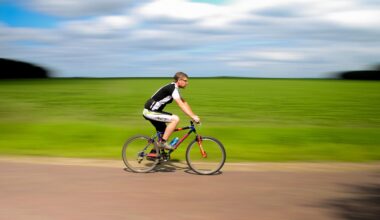
As the global population ages, the focus on exercise programs tailored for older adults becomes increasingly vital. Chronic conditions, such as arthritis and cardiovascular diseases, can significantly impact mobility and overall health. These conditions often coincide with the aging process, necessitating individualized exercise regimens. First, it is essential to assess the specific needs of each older adult. This requires consideration of their medical history and physical abilities. Engage with healthcare providers to determine safe exercise types and intensity levels. For those with arthritis, low-impact options such as swimming or cycling can offer cardiovascular benefits with minimal joint strain. On the other hand, strength training may help maintain muscle mass and functional independence. Educational programs should emphasize the long-term advantages of staying active. Furthermore, integrating social components, such as group classes, can enhance motivation and provide support, which is crucial for adherence. Lastly, it’s important to regularly revisit and adapt these programs as the individual’s health status changes to ensure long-term benefits and safety.
Within the framework of exercise adaptation, supervision and guidance are vital. Older adults often require instructors knowledgeable in geriatric fitness. Well-trained professionals can ensure exercises are performed correctly, minimizing the risk of injury. Additionally, they can modify exercises in real-time to accommodate changes in a participant’s ability and comfort level. Establishing a trusting relationship with trainers or therapists fosters a supportive environment, encouraging older individuals to engage actively. Moreover, creating a welcoming atmosphere is essential to enhancing participation rates in exercise programs. Group settings, coupled with positive reinforcement, contribute to individuals’ overall enjoyment and commitment. Older adults might be more inclined to participate when they see peers engaging. Furthermore, technology can serve as an adjunct to traditional exercise programs, with apps designed to track progress and offer guided workouts tailored to their needs. Understanding that chronic conditions are often unpredictable, flexibility in scheduling and intensity is paramount. Community resources, such as local health clubs or senior centers, can offer classes specifically designed for older adults facing these challenges. Overall, a comprehensive approach combining professional supervision and social engagement leads to effective exercise programs.
Importance of Resistance Training
Another significant aspect of exercise for older adults is integrating resistance training. This type of training is essential for maintaining muscle mass, which tends to decline with age. A consistent resistance training program can enhance strength, improve balance, and aid in preventing falls. For older adults with conditions such as osteoporosis, resistance training can also strengthen bones, mitigating fracture risk. Starting with light weights or bodyweight exercises is advisable, gradually increasing intensity as individuals grow stronger. Safety should always be a priority; thus, it is crucial to promote proper form and technique to prevent injuries. Older adults should perform these exercises at least two days a week, focusing on all major muscle groups. This approach ensures balanced strength development. Combining resistance training with cardiovascular activities can improve overall health outcomes further. Activities such as brisk walking or cycling complement the benefits of resistance training by promoting heart health and enhancing endurances. Many older adults can benefit from using resistance bands, which are safe and versatile. These tools allow for various resistance levels, making them suitable for beginners as well as those with more experience.
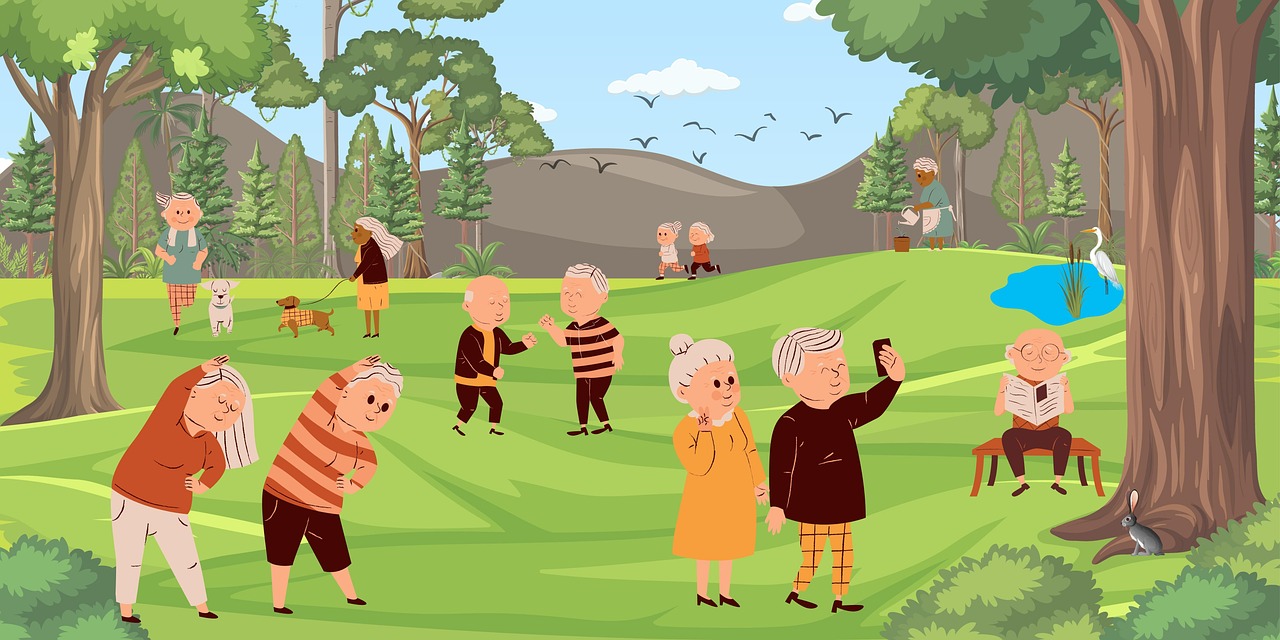
The social aspect of exercise for older adults should not be overlooked. Social interaction can significantly enhance motivation and enjoyment. Community-based exercise programs often yield higher adherence rates among older adults. Participating in group activities fosters camaraderie and accountability, making it less likely that individuals will skip workouts. It also provides opportunities for making friends, which can improve mental well-being. Social connections are crucial for elderly individuals often facing isolation due to mobility concerns or the loss of loved ones. Engaging in physical activity together with peers helps combat feelings of loneliness and depression. Instructors can also play an essential role by encouraging friendly competition and teamwork, ultimately creating a positive atmosphere. Encouraging older adults to participate in community events or fitness challenges can boost their confidence and self-esteem. Additionally, families can support older adults by joining them in their exercise routines, reinforcing the bond between them. Creating an environment where exercise is viewed positively and enjoyable ensures longevity in fitness habits. Maintaining a social network promotes overall well-being while addressing chronic conditions effectively.
Proper Nutrition
Alongside exercise, maintaining proper nutrition is crucial for older adults managing chronic conditions. The body’s nutritional needs change with age, requiring adjustments to dietary plans. Proper hydration is vital, as older adults often experience decreased thirst signals, leading to potential dehydration. Incorporating a balanced diet rich in fruits, vegetables, whole grains, and lean proteins helps support energy levels and muscle maintenance. Individuals should focus on nutrient-dense foods that provide energy without excessive calories. Additionally, certain nutrients play critical roles in managing chronic conditions. For instance, calcium and vitamin D are essential for bone health, especially for those with osteoporosis. Omega-3 fatty acids can support heart health and reduce inflammation, benefiting those with joint pain. Furthermore, older adults should be aware of food intolerances or allergies that may arise as they age. Consulting with a nutritionist can help individuals create meal plans that align with their health goals. Supplementing an exercise program with a solid nutritional foundation enhances overall efficacy, leading to better health outcomes. Therefore, adopting good eating habits along with physical activity is essential for seniors to live healthier, more vibrant lives.
As individuals progress through their exercise routines, it is vital to incorporate rest and recovery. Older adults need adequate time to recuperate, especially when engaging in strength or endurance training. Allowing muscle groups to rest prevents injuries and ensures sustainable progress. Ideally, exercise schedules should include rest days or light activity days to aid recovery. Listening to one’s body becomes increasingly important as people age; discomfort or fatigue should not be ignored. Implementing recovery strategies such as stretching, foam rolling, and gentle yoga can enhance flexibility and maintain mobility. Resting also means a decrease in volume and intensity when necessary. For older adults, managing chronic conditions requires a balance between activity and rest. Developing a personalized recovery plan is crucial to maintaining long-term fitness goals. Recognizing individual limitations and respecting them will lead to more significant and safer gains over time. Additionally, providing education on the role of recovery can help older adults adhere to their fitness programs. A positive relationship between exercise and recovery fosters a deeper understanding of their body’s needs and capabilities, ultimately enhancing participation and motivation in physical activity.
Monitoring Progress
Finally, monitoring progress is essential for older adults participating in exercise programs due to chronic conditions. Keeping track of improvements helps maintain motivation and encourages ongoing commitment. Setting achievable and realistic performance goals can enhance an individual’s success, providing measurable milestones along their fitness journey. These goals should be specific, attainable, relevant, and time-bound (SMART). Regular assessments can help identify areas of strength and those needing improvement. Utilizing tracking tools such as fitness apps or journals allows participants to document their achievements consistently. Additionally, involving healthcare professionals in this process can provide insights into how exercise impacts their chronic conditions. Engaging in discussions about progress helps adapt exercise plans to meet changing needs. Receiving positive feedback from trainers or healthcare providers reinforces commitment. Older adults should be reminded that progress takes time, and celebrating small achievements will encourage them to stay the course. By cultivating an environment that prioritizes gradual improvement, older adults retain a sense of accomplishment. Ultimately, this dedicated approach to monitoring progress can contribute significantly to participants’ overall health and well-being.
In conclusion, adapting exercise programs for older adults with chronic conditions is an essential step towards ensuring a healthier and more active lifestyle. The components mentioned, including tailored workouts, social engagement, proper nutrition, rest, and consistent monitoring, are vital for success. It is critical to take a personalized approach, understanding each individual’s unique needs and limitations. Working with qualified professionals can facilitate a supportive environment, helping to empower older adults in their fitness journey. Encouraging a lifelong commitment to physical activity is imperative, as it greatly enhances the quality of life for the elderly population. As more individuals embrace healthy habits and remain physically active, the positive impact on their physical, mental, and emotional well-being will be evident. By prioritizing exercise that accommodates chronic conditions, communities can foster resilience and independence in their older adult populations. Collaboration between healthcare providers, trainers, and families plays a pivotal role in achieving these objectives. In light of the aging global population, promoting effective strategies for physical activity among older adults should remain a key focus for health professionals and the community. Ultimately, this proactive approach empowers older individuals to embrace an active lifestyle, improving their overall health outcomes.