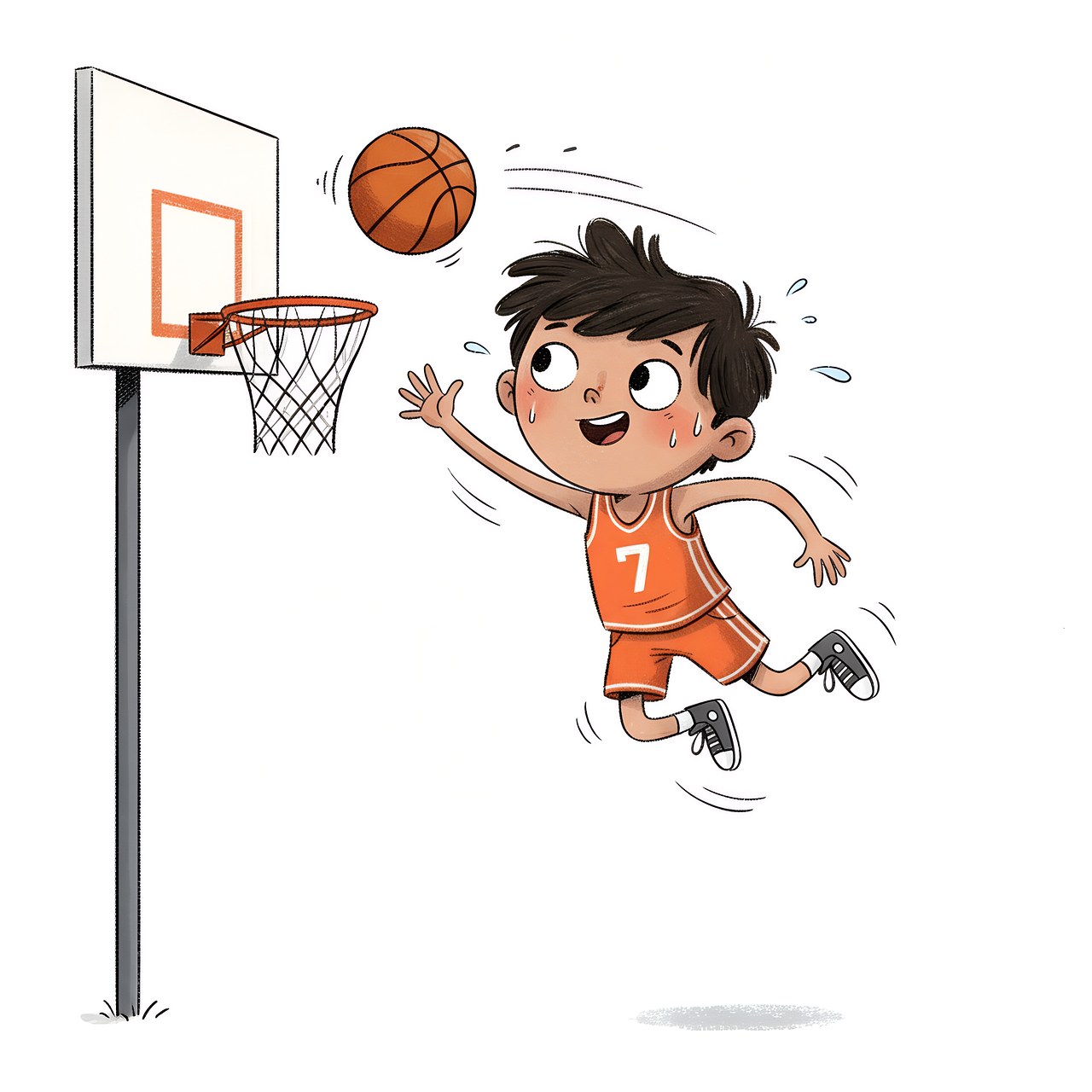

Building Confidence in Young Basketball Players
Confidence is pivotal for young basketball players, as it influences their performance and growth. To foster this confidence, training programs should prioritize skill development aligned with the athlete’s age and experience. Techniques like positive reinforcement and setting achievable goals can significantly boost a player’s self-esteem. Coaches must create an environment that encourages players to express themselves without fear of failure. Additionally, facilitating skill mastery, such as shooting techniques or dribbling, significantly enhances their comfort level on the court. For example, regular practice drills focused on their weaknesses can turn them into strengths, thereby fostering a sense of accomplishment. Coaches should be patient and celebrate small victories, which can help build a learning culture that values effort and progress over perfection. Importantly, incorporating fun challenges into training can further keep young athletes engaged and motivated. Overall, ensuring young players see tangible growth in their skills and abilities can fundamentally shape their belief in themselves, preparing them for competitive situations and boosting their performance in youth games.
Building Mental Toughness
Developing mental toughness is crucial for young players in basketball training. This toughness aids players in overcoming adversities during gameplay and practice sessions. Coaches can implement various activities aimed at enhancing this quality among the players. Regularly exposing them to competitive scenarios where they face pressure can encourage resilience. These experiences teach young athletes how to maintain their composure under stress. Encouraging group discussions about overcoming failures can also help players develop a resilient mindset. Visualization techniques are beneficial as well; they enable players to picture themselves succeeding during challenging moments. Additionally, athletes should be taught strategies for goal-setting, making their ambitions not only realistic but also stimulating. When young players see challenges as opportunities, they pave the path for continuous improvement both in sports and life skills. Encouraging journaling can also assist them in reflecting on their experiences, identifying areas for growth, and recognizing their progress. Making mental resilience part of their routine builds a strong overall athlete who can handle game pressures gracefully, thus reinforcing their confidence.
Another pivotal aspect of building confidence is developing teamwork skills among young basketball players, as basketball is inherently a team-oriented sport. Coaches should emphasize the importance of collaboration and communication. Incorporating team-building exercises into practices is an effective way to achieve this. Regular scrimmages where players assume different roles can boost understanding among teammates. This also allows individuals to appreciate the value of each position and how they complement each other on the court. Furthermore, emphasizing the concept of unity can nurture a supportive team atmosphere that enhances each player’s confidence. Young athletes often feel more secure when they know their teammates have their backs. Creating opportunities where players can lead – like running drills – can instill a sense of responsibility and pride. Coaches should also facilitate feedback sessions, allowing players to voice thoughts, strengthening relationships and fostering trust. By building familiarity and understanding among players, the entire team can perform better and support each other’s growth, thus contributing significantly to individual confidence levels.
The Role of Positive Reinforcement
Positive reinforcement plays a crucial role in nurturing young basketball players’ confidence. Coaches should actively recognize not only the achievements but also the effort put into each practice and game. Acknowledgment can be verbal, such as when a coach praises a well-executed play or constructive initiative taken during practice. Offering constructive feedback effectively highlights their strengths and identifies areas for improvement without discouraging them. Creating a culture where players feel appreciated reduces the fear of making mistakes, allowing them to embrace learning as part of their journey. Praise can be complemented with tangible incentives like stickers or certificates to celebrate milestones, thus providing further motivation to succeed. Being consistent in expressing positivity remains key; it embeds a growth mindset in players, leading them to see challenges as opportunities instead of hindrances. Engaging parents in this process can also add a layer of support, as recognition at home can further reinforce positive behaviors. A unified effort from coaches and parents adds depth to the player’s confidence-building experience, fostering resilience both on and off the court.
Another vital way to enhance confidence is through individualized attention. Each young basketball player possesses unique strengths and areas that require improvement, so coaches should strive to acknowledge these differences. One-on-one time with athletes enables tailored feedback that aligns with their specific needs and capacities. Such interactions help create a personal connection, letting athletes know their development is important. Coaches can design specific drills or strategies that focus on personal growth goals, making young players feel heard and valued. Additionally, personalized mentorship can impart significant life lessons beyond basketball, enhancing personal development and self-esteem. These relationships empower young players by fostering a sense of belonging in the team, as they experience intense support in a high-pressure environment. Encouraging players to identify personal goals and regularly check their progress allows them to visualize their improvement, further inflating their confidence levels. Moreover, developing healthy outlets for addressing frustrations—such as yoga or mindfulness practices—can foster emotional stability, making athletes more receptive to feedback and growth opportunities.
Incorporating Fun and Engagement
A key element in developing confidence in young basketball players is ensuring that training remains enjoyable and engaging. If athletes find joy in practice, they are more likely to participate enthusiastically and learn effectively. Introducing fun games that emphasize skill development can create a relaxed atmosphere, enhancing sports enjoyment while still focusing on improvement. Activities that encourage the natural play often stimulate a competitive spirit while downplaying pressures associated with structured practices. Elements like friendly competitions or challenges can keep the energy high and motivate young players to push their boundaries. Moreover, variations in training routines can prevent monotony, as diverse drills can cater to different interests and preferences. Additionally, involving older players in training as mentors can inspire younger athletes, as they provide relatable role models who can share their experiences. Engaging in community events or basketball camps can further enhance excitement, offering memorable interactions outside regular sessions. When players associate basketball with fun, it fosters a lifelong desire for participation and continuous improvement while reinforcing confidence.
Finally, measurement of progress is vital in enhancing confidence for young athletes. Tracking and celebrating achievements motivates future improvements. Encouraging players to keep records of their performance through journals or apps allows them to visualize growth over time. Assessing individual skills and setting measurable targets can motivate young basketball players to strive for higher goals. Coaches should present progress in tangible terms; showcasing improvements during drills, gameplay, or scrimmages emphasizes the results of hard work. Acknowledging this progress in front of teammates not only boosts individual confidence but also strengthens team morale. Implementing regular feedback sessions provides players a platform to discuss their strengths and pinpoint areas for improvement, refining their skills further. Creating a recognition system to celebrate achievements in training or games reinforces commitment. Events like awards ceremonies, where awards are given for various achievements, can motivate them to pursue excellence. Ultimately, the commitment to measuring and acknowledging progress will produce resilient, confident athletes capable of embracing challenges throughout their basketball journey.