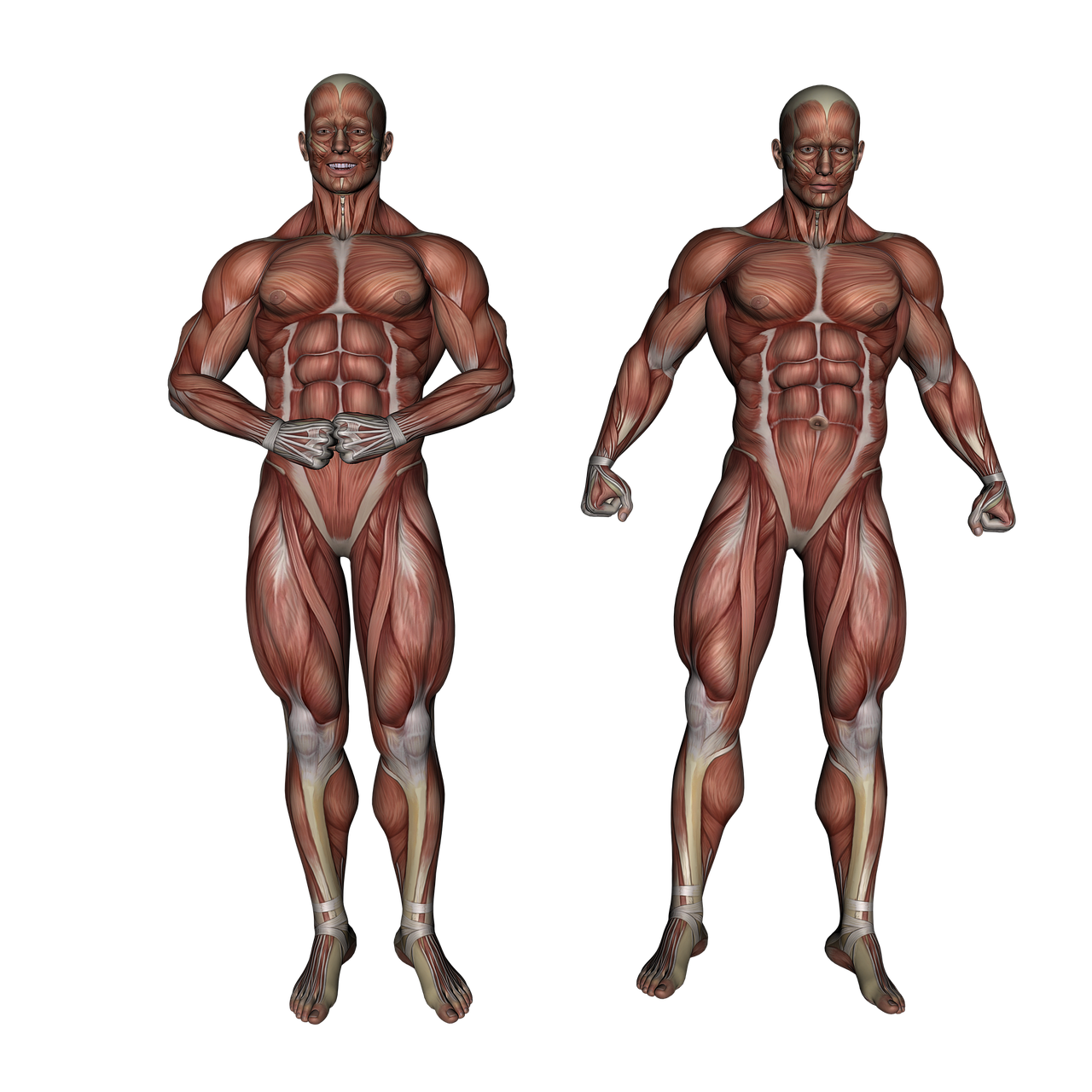

Cellular Biomechanics and Muscle Fatigue
Cellular biomechanics examines how cells respond to mechanical forces. This field plays a critical role in understanding muscle fatigue, which is a common issue affecting athletes and individuals engaged in physical activities. Muscle fatigue relates to both metabolic and mechanical factors at the cellular level. As muscle fibers contract during intense activity, they experience various stressors, such as calcium imbalances and energy depletion, leading to fatigue. The study of cellular biomechanics allows researchers to observe these changes, revealing crucial insights into muscle function. Fatigue can originate from disruptions in signal transduction pathways, essential for muscle activation. Moreover, identifying the mechanical properties of muscle cells can provide a clearer understanding of how muscle fatigue develops and affects performance. Advanced techniques, such as atomic force microscopy and live-cell imaging, have been applied to investigate these cellular changes in real-time. This research can potentially lead to strategies to mitigate muscle fatigue and enhance athletic performance. Ultimately, integrating biomechanics knowledge with cellular behavior is vital for improving physical conditioning and recovery methods for active individuals.
The Mechanisms of Muscle Fatigue
Understanding the mechanisms underlying muscle fatigue is pivotal for enhancing performance and recovery. At the cellular level, muscle fatigue results from a series of biochemical changes that occur during intense exercise. These changes include alterations in calcium ion concentrations and shifts in the energy substrates used by the muscle. The energy currency of muscle cells, adenosine triphosphate (ATP), becomes depleted, resulting in impaired muscle contraction. Additionally, the accumulation of lactate and hydrogen ions during anaerobic metabolism contributes to fatigue through metabolic disturbances. Another critical aspect is the involvement of reactive oxygen species (ROS), which can lead to oxidative stress, further exacerbating cellular damage and fatigue. The imbalance of signals that control muscle contraction, primarily the calcium-dependent pathways, also serves as a focal point of investigation. Researchers utilize techniques like electromyography to measure electrical activity in muscles, facilitating their exploration of fatigue origins. By utilizing this knowledge, trainers can devise appropriate training regimens tailored to enhance muscle endurance. Providing recovery protocols that address the underlying biological factors offers great potential for improving athletic results and reducing injury risks.
The interplay between the mechanical and biochemical environment in muscle cells highlights the complexity of muscle fatigue. Mechanical stress is imposed on muscle fibers during contraction, engaging various molecular mechanisms that contribute to fatigue. Myofibrillar contractile proteins, such as actin and myosin, undergo conformational changes when subjected to strain. These alterations can impact force generation and overall power output. Furthermore, microtears and cellular damage may result from excessive mechanical load, requiring repairs that consume energy resources. Concomitantly, cellular signaling mechanisms are activated to facilitate recovery and repair following fatigue-inducing events. Understanding this interplay can help in designing interventions that counteract the adverse effects of fatigue. For instance, training regimens can focus on optimizing loading conditions and enhancing recovery strategies. Nutritional considerations also play a significant role, as adequate hydration and nutrient replenishment can mitigate fatigue effects. Tailoring exercises that ensure voluntary activation of muscle fibers is essential in maintaining performance. As physical demands increase, so too does the need for refined strategies to manage fatigue effectively, promoting optimal performance in both recreational and competitive settings.
Implications for Athletic Training
Insights from cellular biomechanics can guide athletic training protocols aimed at preventing and managing muscle fatigue. Strategies based on a deep understanding of cellular responses can lead to improved training efficiency. For instance, periodization in training can help avoid overtraining by incorporating phases of intense activity that are balanced with adequate recovery. Sports scientists analyze recovery rates and muscle resilience to design effective training plans tailored to individual athletes’ needs. Monitoring performance through regular assessments allows adjustments that enhance training outcomes. Moreover, understanding fatigue mechanisms can assist physiologists in developing nutraceutical interventions, such as supplements that enhance energy availability or reduce oxidative stress. This knowledge extends beyond elite athletes to recreational participants, who can apply strategies based on their findings to optimize wellness. Gradual acclimatization to increased loading conditions can also provide a pathway to improving muscular endurance without excessive fatigue. In addition, educating athletes about their body’s fatigue signals empowers them to listen and respond to their needs, promoting longer athletic careers and overall health. Ultimately, integrating biomechanics research into training methodologies can lead to breakthroughs in muscle performance and recovery.
Recent advancements in technology have facilitated unprecedented insights into cellular biomechanics and muscle fatigue. High-resolution imaging techniques offer visualizations of cellular changes under stress, providing valuable data on muscle behavior during activity. Moreover, computational modeling allows researchers to simulate muscle mechanics and predict fatigue outcomes based on various conditions. The integration of big data analytics in sports science enhances understanding of individual differences in fatigue response. By analyzing collective data from multiple sources, patterns emerge that help tailor training and recovery strategies to optimize performance. Collaboration across scientific disciplines further enriches this understanding, as biomechanics intersects with physiology, nutrition, and psychology. Personalized approaches to fatigue management represent a frontier in athletic performance enhancement. As research continues to evolve, a deeper comprehension of fatigue nuances translates into groundbreaking applications in sports training and rehabilitation. Investing in research focused on cellular biomechanics can provide vital knowledge that extends beyond athletic fields into medical and health contexts. Therefore, fostering multidisciplinary collaborations is crucial in addressing complex challenges related to muscle fatigue and athletic performance.
Future Directions for Research
The future of research in cellular biomechanics and muscle fatigue holds promise for developing innovative technologies and interventions. One significant area of exploration involves the role of biomechanics in neuro-muscular efficiency, understanding how neural signals influence muscle function. Innovations in wearable technology provide real-time feedback on muscle performance during exercises, enabling athletes to optimize efforts and maintain balance between exertion and fatigue. Another promising direction involves gene expression studies that correlate cellular responses to mechanical loads with varying fatigue levels. Genetic predispositions may influence an individual’s susceptibility to fatigue, offering opportunities for customized training solutions. Additionally, exploring preventive measures against fatigue-induced injury through cellular pathways demonstrates the importance of preventative strategies. The integration of machine learning into biomechanics research can yield more accurate predictions of fatigue responses by analyzing complex datasets. Such advancements can expedite the development of actionable insights for athletes and trainers. By fostering research initiatives that delve deeper into cellular mechanics, the potential to revolutionize athletic training and recovery continues to expand, providing substantial improvements in human performance.
In conclusion, the intersection of cellular biomechanics and muscle fatigue presents a fertile ground for research and practical applications. Understanding the nuances of cellular responses to mechanical stress is vital in managing muscle fatigue and optimizing performance. These insights can guide athletic training, recovery protocols, and nutritional strategies, ultimately improving outcomes for athletes at all levels. Advancements in technology and interdisciplinary collaboration are crucial in forging a path toward comprehensive strategies that mitigate fatigue. Researchers are increasingly focusing on individualized approaches based on physiological responses to fatigue, paving the way for tailored interventions. This ongoing research engagement seeks to unravel the complexities of muscle behavior, shedding light on effective methods for performance enhancement. Furthermore, a holistic approach to addressing muscle fatigue considers the interplay between biological, mechanical, and psychological elements. The field of biomechanics continues to evolve, offering exciting opportunities for enhancing the understanding of muscle dynamics. The integration of these discoveries into training practices holds promise for optimizing performance, longevity in sports, and overall health outcomes. As this field advances, it will undoubtedly shape the future of athletic training and recovery.