
Common Hydration Mistakes and How to Avoid Them
Proper hydration is essential for maintaining optimal health and supporting bodily functions. Many people overlook the significance of drinking enough water on a daily basis. It is crucial to recognize that insufficient hydration can lead to serious health complications, including headaches, decreased cognitive function, and fatigue. To avoid these adverse effects, set reminders or use hydration apps that track your water intake. Individuals should aim for at least eight 8-ounce glasses of water daily, but factors such as climate, activity level, and diet can influence these needs. Introduce hydration into your routine gradually, and learn to listen to your body’s signals. Understanding hydration’s impact is the first step towards effective strategies for improvement.
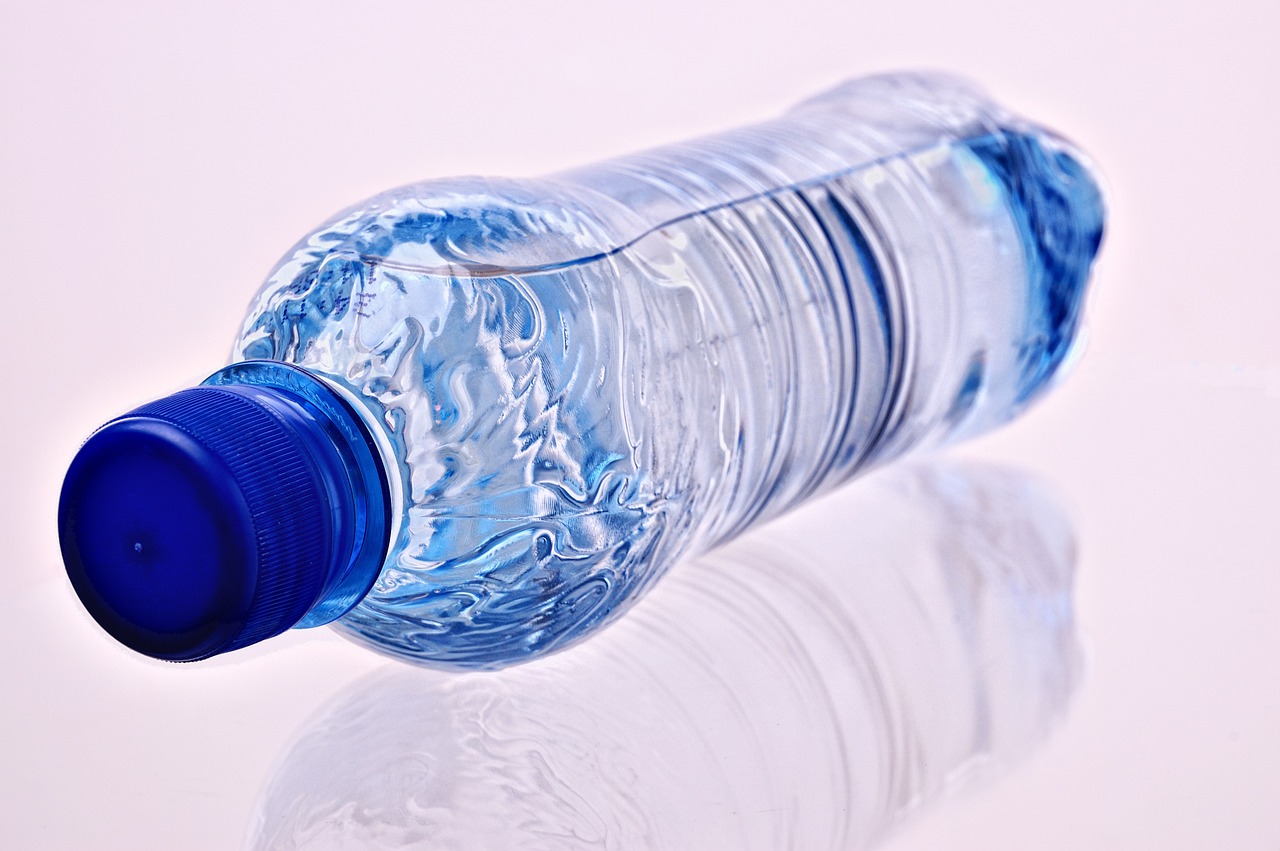
One common hydration mistake is waiting until you feel thirsty to drink water. This method can lead to dehydration since thirst is often a delayed response to the body’s need for fluids. To combat this, make it a habit to drink water regularly throughout the day, even before you feel thirsty. Carry a water bottle and take sips frequently. Additionally, consuming foods with high water content, such as fruits and vegetables, can aid in hydration. Foods like watermelon, cucumbers, and oranges are not only refreshing but also contribute towards your daily fluid intake. Consider infusing your water with herbs or fruits for a flavored alternative, enhancing your drinking experience.
Avoiding Dehydration During Exercise
Another prevalent misconception is that drinking only during exercise provides adequate hydration. This is false. Hydration should begin well before physical activity begins, allowing the body to maintain optimal fluid levels during exertion. Ensure that your hydration plan includes drinking water before, during, and after workouts. Pre-hydration can help boost performance and minimize tiredness. During workouts, consider sports drinks for prolonged sessions exceeding one hour, as they replenish electrolytes lost through sweat. These electrolyte drinks will help balance fluids within the body, enhancing performance and recovery, leading to better endurance.
Additionally, relying solely on thirst to dictate hydration levels can lead to suboptimal fluid intake. It is vital to establish a hydration schedule, especially if you engage in vigorous exercise or live in hot climates. Drink small amounts of water every 15 to 20 minutes during intense activities. Pay attention to your urine color; a pale yellow indicates adequate hydration, whereas dark yellow means you may need to drink more fluids. Lastly, keep in mind that certain age groups, such as older adults, may have diminished thirst sensations, making it even more essential for them to monitor their fluid intake closely.
Common Beverages That Dehydrate
Not all beverages contribute positively to hydration. Some drinks, particularly those containing high levels of caffeine and alcohol, can lead to dehydration. Caffeine can have a diuretic effect, which means it promotes the production of urine, potentially leading to increased fluid loss. Alcohol, similarly, causes dehydration through its effect on hormone levels and kidney function. Therefore, moderation is key. Choose hydrating options or compensate for these dehydrating drinks by consuming extra water. Herbal teas or coconut water are excellent alternatives that can keep you hydrated without the negative effects.
Moreover, energy drinks generally pose hydration challenges since they often contain high levels of sugar and caffeine. Though they may provide a temporary energy boost, they do not support long-term hydration strategies. Instead, opt for electrolyte-replenishing beverages designed for hydration. Consider your beverage choices carefully and prioritize water and nutrient-rich fluids to improve your hydration. Educating yourself about the right beverages plays a crucial role in enhancing hydration strategies and avoiding costly mistakes that detract from health and wellness.
Listening to Your Body’s Signals
Finally, being attuned to your body’s signals can significantly enhance your hydration strategy. Pay attention to physical cues like dry mouth, fatigue, and dizziness, as these can indicate that your body needs fluids. Emphasize hydration education and knowledge in your daily routine. Keeping a water journal can be beneficial, allowing you to track your intake and progress. Over time, you will learn how your body responds to different activities, environments, and foods. Take hydration seriously; every choice you make contributes to your well-being and health.
In conclusion, avoiding common hydration mistakes involves understanding the importance of consistent fluid intake, avoiding dehydrating beverages, and recognizing individual hydration needs. Make a conscious effort to incorporate the strategies discussed above into your daily life. Start today by implementing these guidelines and reap the numerous health benefits of proper hydration. Remember, with awareness and knowledge, you can enhance your hydration habits and live a healthier, more vibrant life. Optimal hydration is achievable, and now that you’re aware of common mistakes, you can take proactive steps to avoid them for better health overall.