
Energy Bars and Gels: When and How to Use Them
In the world of athletic performance, nutrition plays a monumental role in optimizing outcomes. Among various nutritional products, energy bars and gels stand out as popular choices for athletes. Their convenience and targeted formulation make them ideal sources of quick energy, particularly during high-intensity activities. Whether training or competing, knowing when and how to use these products can significantly enhance athletic performance. These quick energy sources are designed for multifaceted use, providing athletes a practical option to replenish lost energy rapidly. They are particularly beneficial during prolonged activities, such as marathons or cycling events, where athletes can quickly run low on glycogen stores. Moreover, the formulations in bars and gels often include essential nutrients, including carbohydrates, vitamins, and electrolytes. As a result, they can aid recovery and maintain hydration levels. Furthermore, personal preferences and tolerances can play a role in effective use. Therefore, incorporating energy bars and gels into an athlete’s diet can ensure they achieve peak performance during strenuous activities.
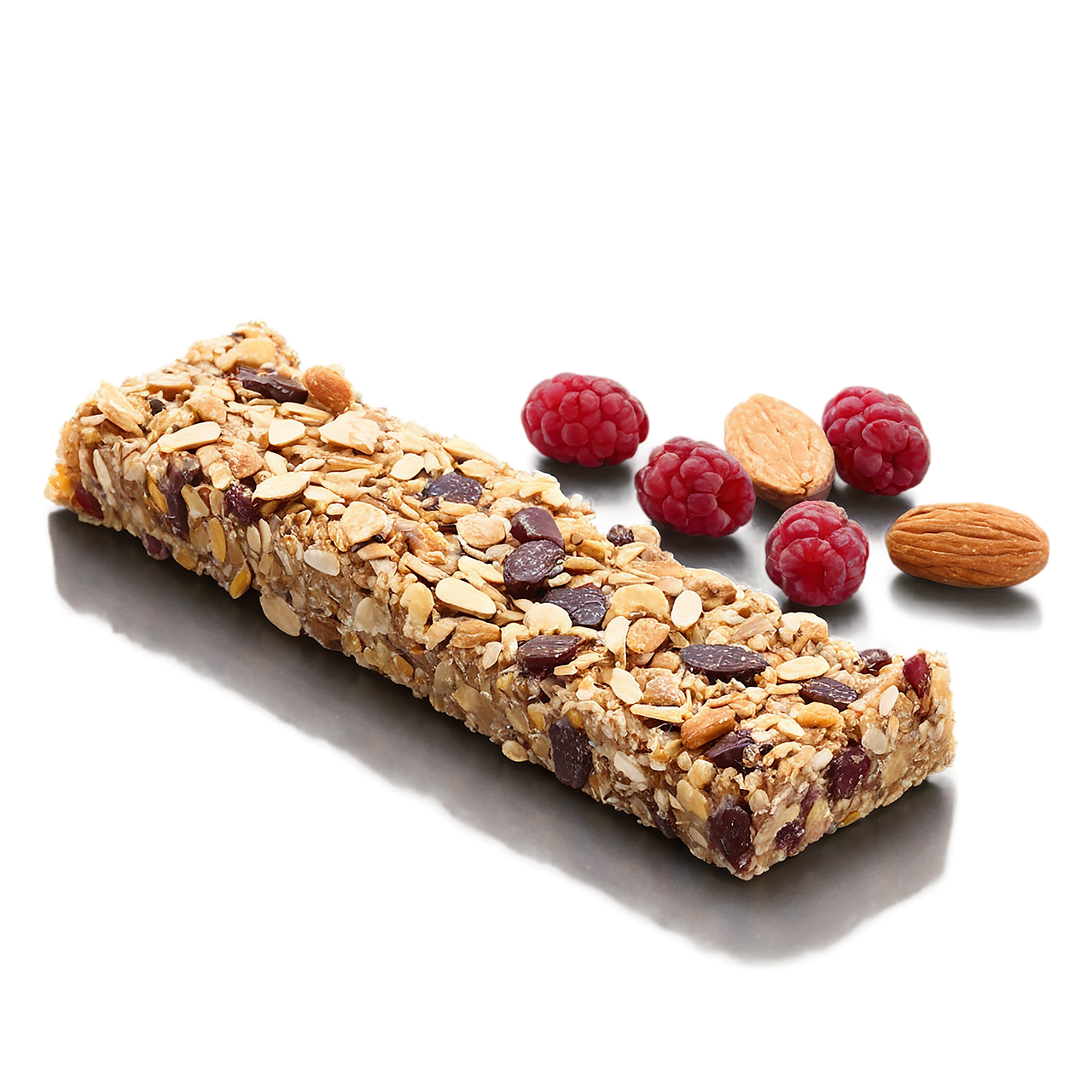
When selecting energy bars and gels, examining the ingredients and nutrient profiles is essential. Energy bars typically contain whole food ingredients and may include nuts, oats, and fruits for a solid nutritious base. Gels, however, often focus on quick-digesting carbohydrates to deliver immediate energy. Some products come with added electrolytes, which are crucial in preventing dehydration during endurance activities. As such, athletes should pay attention to both carbohydrate content and types, ensuring the chosen products align with their energy requirements. For example, during sprinting or short events, lighter options may be needed. Conversely, for endurance athletes, more substantial bars provide sufficient energy across long durations. Choosing the right product will enhance performance, but it is equally important to consider taste and texture. Trials during training sessions can help athletes identify their preferred options without digestive discomfort during competition. Proper timing is essential too; consuming these products before or during an event can lead to improved stamina and reduced fatigue, leading to better overall performance.
Timing Your Energy Intake
Understanding when to consume energy bars and gels is crucial for maximizing their benefits. For most athletes, consuming a gel or a bar around 30 to 60 minutes before exercise, particularly for endurance events, can provide a solid energy foundation. However, timing is more nuanced for different activities; high-intensity exercises may necessitate intake during the workout itself. The general suggestion is to consume 30-60 grams of carbohydrates per hour during prolonged efforts. This ensures glycogen stores remain replenished, delaying fatigue and sustaining performance levels. For athletes participating in training sessions lasting over an hour, utilizing energy gels or bars midway through the session can prove beneficial. Research shows that carbohydrate availability during exercise leads to enhanced endurance, allowing athletes to push through barriers that would typically hinder their performance. In team sports, on-demand energy sources can help players recover between high-intensity efforts, thus combining the benefits of endurance and strength techniques. Therefore, experimenting with timing during training sessions is vital to individualize optimization strategies effectively.
Hydration is another aspect that must not be overlooked when using energy bars and gels. Water plays a vital role in absorbing and utilizing the nutrients found in these products effectively. Consuming energy gels without sufficient fluid intake can lead to gastrointestinal discomfort, reduced performance, or even dehydration. It is suggested to consume at least 200-300 ml of water when eating energy gels, assisting in digestion and rapid nutrient absorption. Furthermore, hydration levels also influence an athlete’s energy levels, emphasizing the need for a well-rounded nutrition plan. Electrolyte-rich drinks can also supplement fluid intake, especially in workouts involving intense sweating. Pairing energy bars with a proper hydration strategy enhances an athlete’s overall performance, enabling sustained energy levels. In addition, energy products containing electrolytes can provide an extra edge during training and competitions, reducing muscle cramps and fatigue risk. By adopting a well-balanced approach that incorporates hydration along with energy intake, athletes can ensure they perform optimally, effectively tackling both endurance and speed challenges during their events.
Making Informed Choices
Choosing the right energy bar or gel can be an overwhelming experience, given the variety available on the market. Athletes need to prioritize products that align with their dietary needs, taste preferences, and carbohydrate goals. Reading labels carefully can reveal the amount of carbs, protein, and fat per serving, guiding athletes to make better choices. Additionally, be wary of bars high in added sugars, as these can lead to energy crashes and may not provide sustainable energy levels. Researching and testing multiple products can save time and energy during crucial performances. Many brands now highlight various dietary features, such as gluten-free, vegan, or organic options, which can cater to specific athlete needs. In the end, selecting products that energize and satisfy makes a significant difference in an athlete’s performance and well-being. Before competitions, always ensure to familiarize yourself with any new products to understand how your body reacts. Thus, incorporating personal experience and quality ingredients will create a sustainable and effective nutrition regimen focused on optimal athletic performance.
In conclusion, understanding the role of energy bars and gels in athletic performance is crucial. Their convenience and nutritional profiles allow athletes to enhance their endurance and energy levels effectively. Timing, hydration, and product selection play vital roles in making the most of these resources. It’s essential for athletes to experiment with various products during their training sessions to determine what works best for their needs. Choosing nutrient-rich, well-balanced energy sources can prevent energy crashes and support long-lasting performance. As athletes integrate these strategies into their nutritional routines, they are more likely to experience improved outcomes during both training and competition. Additionally, consulting with nutritionists or specialists can provide personalized guidance tailored to individual goals and needs. Ultimately, incorporating energy bars and gels into an athlete’s routine can lead to increased performance, greater satisfaction, and more successful outcomes. Therefore, by adopting informed strategies regarding energy intake, hydration, and product choices, athletes can take their performance to new heights, ensuring they achieve their personal bests consistently throughout their athletic endeavors.
To sum up, energy bars and gels serve as vital dietary tools for athletes, who need sustained energy to perform optimally. These products are designed to be highly portable and easy to consume, making them suitable for various sports and activities. However, education on their use is critical in obtaining maximum benefits. Athletes must consider their energy requirements, hydration levels, and personal preferences when selecting the right energy sources. Exploring different brands and flavors during training will help prevent possible discomfort during competition day. The positive effects of using energy bars and gels cannot be overstated, as they equip athletes with the necessary tools to power through tough workouts. Additionally, athletes can enhance their diet by combining energy products with wholesome meals that provide balanced nutrition. Prioritizing a wider range of nutrients will supplement performance further and support overall well-being. Knowledge and adaptability in nutrition strategies enable athletes to meet their training and performance goals. Ultimately, energy bars and gels should become a well-integrated part of an athlete’s holistic approach to nutrition, thus ensuring sustained energy and peak performance.
Final Thoughts
Energy bars and gels are more than just quick snacks; they are essential components of a complete nutritional strategy for athletes. They help maintain energy levels when needed most, but they should be part of a broader, well-rounded diet. Balancing the use of these products alongside higher-quality foods is essential for long-term performance and health. Athletes who educate themselves about these nutritional tools can effectively optimize their energy levels while enjoying training and competitive experiences. Always remember that the ultimate goal is to enhance performance and recovery, so it is critical to keep abreast of trends and new products in the market. Furthermore, athletes should not hesitate to consult with nutrition professionals for tailored advice. By taking an educated approach to using energy bars and gels, athletes can achieve their full potential while enjoying the process. The focus on individual needs and preferences will ultimately lead to a more fulfilling and successful athletic journey. As a unified tool in an athlete’s nutritional arsenal, energy bars and gels can promote better performance, longer endurance, and overall athletic success.