
Exercise-Induced Inflammation and Recovery Processes
Exercise, while broadly beneficial to health, also triggers a physiological response known as inflammation. This reaction occurs as part of the body’s recovery process, helping to repair tissues affected by physical stress. When engaging in exercise, the body’s muscle fibers experience microtears, prompting the immune system to send inflammatory cells to the damaged areas. These cells play a critical role in the healing and adaptation process, ultimately leading to muscles becoming stronger over time. It is essential to understand that not all inflammation is harmful; acute inflammation can be necessary for recovery. However, chronic inflammation can lead to negative health outcomes and hinder athletic performance. This paradox highlights the significance of balancing exercise intensity with appropriate recovery strategies. The key to enhanced performance lies in understanding how to manage this inflammation effectively, allowing for improved recovery times and overall fitness levels. Proper nutrition, hydration, and rest are all crucial components in aiding the inflammation process. Such strategies contribute to optimal repair and adaptation of muscles, preparing the body for future physical challenges and reducing the risk of injury during exercise and sports activities.
The Types of Inflammation
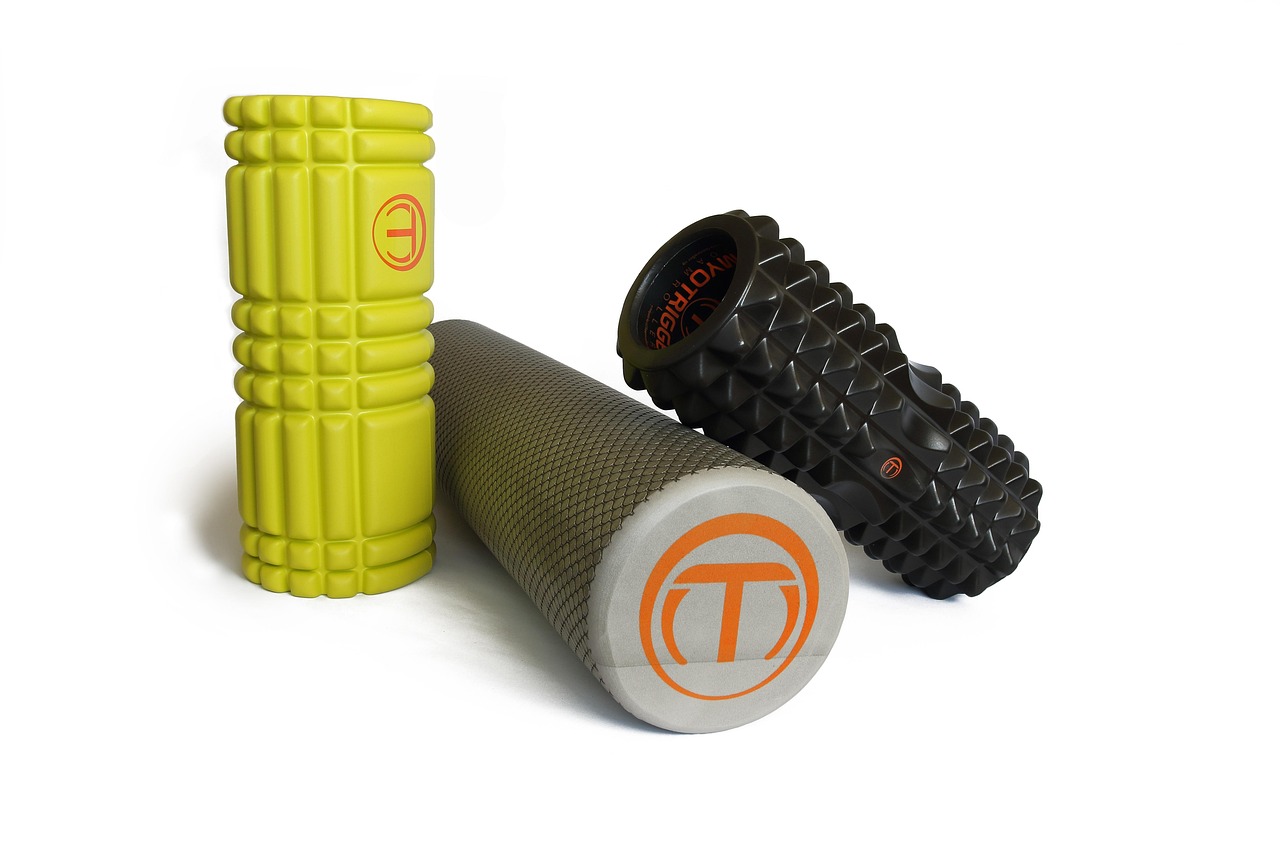
Inflammation can generally be classified into two main types: acute and chronic. Acute inflammation represents the body’s immediate response to exercise-induced muscle damage. In contrast, chronic inflammation occurs when the body remains in a prolonged state of inflammation, often due to overtraining or inadequate recovery. Understanding the differences between these types is paramount for athletes and fitness enthusiasts alike. Acute inflammation is characterized by pain, redness, warmth, and swelling in the affected areas, signaling the body to begin the healing process. On the other hand, chronic inflammation may result in persistent pain and fatigue, potentially leading to injuries. The occurrence of chronic inflammation is often linked to unbalanced training loads and insufficient recovery time, indicating issues within one’s training regimen. To prevent crossing over from acute to chronic inflammation, it is crucial to incorporate rest days and vary exercise intensity. Furthermore, listening to one’s body signals can prevent unnecessary strain. Implementing practices such as foam rolling, massage therapy, and stretching can also aid in managing inflammation, creating a healthier balance for both body and mind during physical activity.
The role of nutrition in managing exercise-induced inflammation cannot be understated. Consuming a balanced diet rich in antioxidants, protein, and essential fatty acids can significantly enhance recovery processes, directly impacting muscle repair and inflammation levels. Foods such as berries, fatty fish, nuts, and green leafy vegetables are excellent choices for promoting an anti-inflammatory environment within the body. Omega-3 fatty acids, found particularly in fish, have been shown to mitigate inflammatory responses, while antioxidants from fruits and vegetables combat oxidative stress resulting from intense exercise. Timing of nutrient intake is also critical; consuming protein and carbohydrates post-workout can support muscle rebuilding and glycogen replenishment. Additionally, staying hydrated plays a fundamental role in maintaining overall health and facilitating recovery. Electrolytes, lost during sweat, need to be replenished after exercise, minimizing fatigue and cramping. Sports drinks and coconut water can be effective replenishment options. By prioritizing nutrition, athletes and individuals engaging in regular exercise can effectively manage inflammation, boost recovery, and enhance overall performance through mindful dietary choices.
Rest and Active Recovery
Rest is an integral component of effective recovery, allowing the body to heal and adapt following exercise. During periods of rest, the body undergoes physiological changes that contribute to muscle repair and growth. Without adequate rest, the risk of injury and chronic inflammation significantly increases. Active recovery can also be beneficial, involving low-intensity activities that elevate blood flow and help circulate nutrients to recovering muscles. Engaging in yoga, walking, or light swimming promotes blood flow and aids in flushing out metabolic waste products from high-intensity workouts. Both rest and active recovery modalities assist in reducing muscle soreness, improving flexibility, and preparing the body for subsequent training sessions. Incorporating rest days and active recovery as part of the training schedule allows athletes to maintain their physical health and supports long-term performance gains. Scheduling varied intensities within workouts and prioritizing recovery days creates a sustainable exercise regimen. The ideal balance between physical exertion and restoration can lead to enhanced performance, reduced inflammation, and an increased ability to push boundaries in fitness endeavors.
Moreover, the benefits of sleep in managing inflammation and recovery processes are well-documented. Sleep is a critical time for the body to repair and rejuvenate itself, directly influencing muscle recovery and inflammation levels. During deep sleep, the body secretes various hormones, including growth hormone, essential for muscle repair and growth. Insufficient or poor-quality sleep can disrupt these processes, leading to increased levels of inflammation. Athletes and active individuals must prioritize sleep as a fundamental aspect of their recovery strategy. Establishing a regular sleep schedule, creating a restful environment, and limiting screen time before bed can improve sleep quality. The relationship between sleep, inflammation, and recovery highlights the importance of holistic approaches to fitness. By integrating adequate sleep into their routines, individuals can optimize their recovery processes, minimize chronic inflammation, and ultimately enhance their athletic performance. Awareness of how lifestyle choices, such as sleep and diet, affect inflammation empowers individuals to take control of their health and exercise outcomes. Keeping track of one’s progress in recovery through adequate rest can yield impressive gains over time.
Psychological Factors in Recovery
Psychological factors can significantly influence recovery from exercise-induced inflammation. Stress and anxiety can exacerbate inflammation and hinder the healing processes. Mental well-being plays a crucial role in the body’s capability to recover, with positive emotional states promoting efficient repair mechanisms. Engaging in mindfulness practices, such as meditation or deep-breathing exercises, can help manage stress levels and improve recovery rates. Additionally, a positive mindset towards training can improve adherence to recovery practices. Techniques that enhance mental resilience, such as visualization and goal-setting, can also contribute to better physical recovery. By understanding the connection between mental health and physical recovery, individuals can adopt practices that foster both psychological and physiological resilience. These integrated approaches create a more holistic recovery strategy, ultimately leading to enhanced performance. Furthermore, social support and camaraderie within training environments can provide motivation and encouragement, positively impacting recovery experiences. Incorporating mental recovery strategies alongside physical approaches will produce a more balanced and effective recovery plan. Building awareness of how psychological aspects affect the recovery journey empowers individuals to embrace their health, fostering a deeper connection between mind and body during exercise.
In conclusion, understanding exercise-induced inflammation and recovery processes is vital for optimizing athletic performance and health outcomes. By recognizing the body’s physiological responses to exercise, individuals can implement effective recovery strategies tailored to their needs. This understanding encompasses various components, including nutrition, rest, active recovery techniques, and psychological factors. Striking the right balance among these elements promotes a healthier dynamic between training and recovery. As exercise practitioners become more informed about the role inflammation plays in their bodies, they can proactively manage their health and performance. Moreover, cultivating positive experiences surrounding recovery practices enables individuals to embrace a more sustainable fitness lifestyle. Progress in physical training should not be compromised by neglecting recovery; rather, it should be viewed as an integral part of achieving fitness goals. By adopting a multifaceted approach to recovery, athletes can ensure they minimize inflammation, optimize tissue repair, and enhance overall well-being. Enjoyment and fulfillment within the fitness journey are equally important, as they contribute to long-term adherence and success. Ultimately, prioritizing both performance and recovery can lead to a healthier, more enjoyable exercise experience.
Future Directions in Sports Science
As the understanding of exercise-induced inflammation and recovery processes evolves, the future of sports science will likely focus on personalized recovery strategies. Advances in technology, such as wearables and data analytics, will enable tailored approaches based on individual responses to exercise. Continuous monitoring of biometrics can provide insights into inflammation levels and recovery needs, allowing athletes to train smarter rather than harder. Furthermore, research will continue to explore the relationship between lifestyle factors and recovery rates, deepening our insight into how variables like diet and sleep impact performance. The collaborative efforts of scientists, trainers, and athletes will be crucial in developing innovations in recovery modalities. Moreover, integrating holistic approaches that account for mental, physical, and nutritional factors will foster a more comprehensive understanding of recovery. As the sports science community progresses, the emphasis will remain on enhancing athlete health and performance through research-backed methodologies. This focus will ultimately contribute to the longevity of athletic careers and the overall well-being of individuals engaging in physical activities. By embracing change and adaptation, the sports community can continue to shape the future of exercise and health.