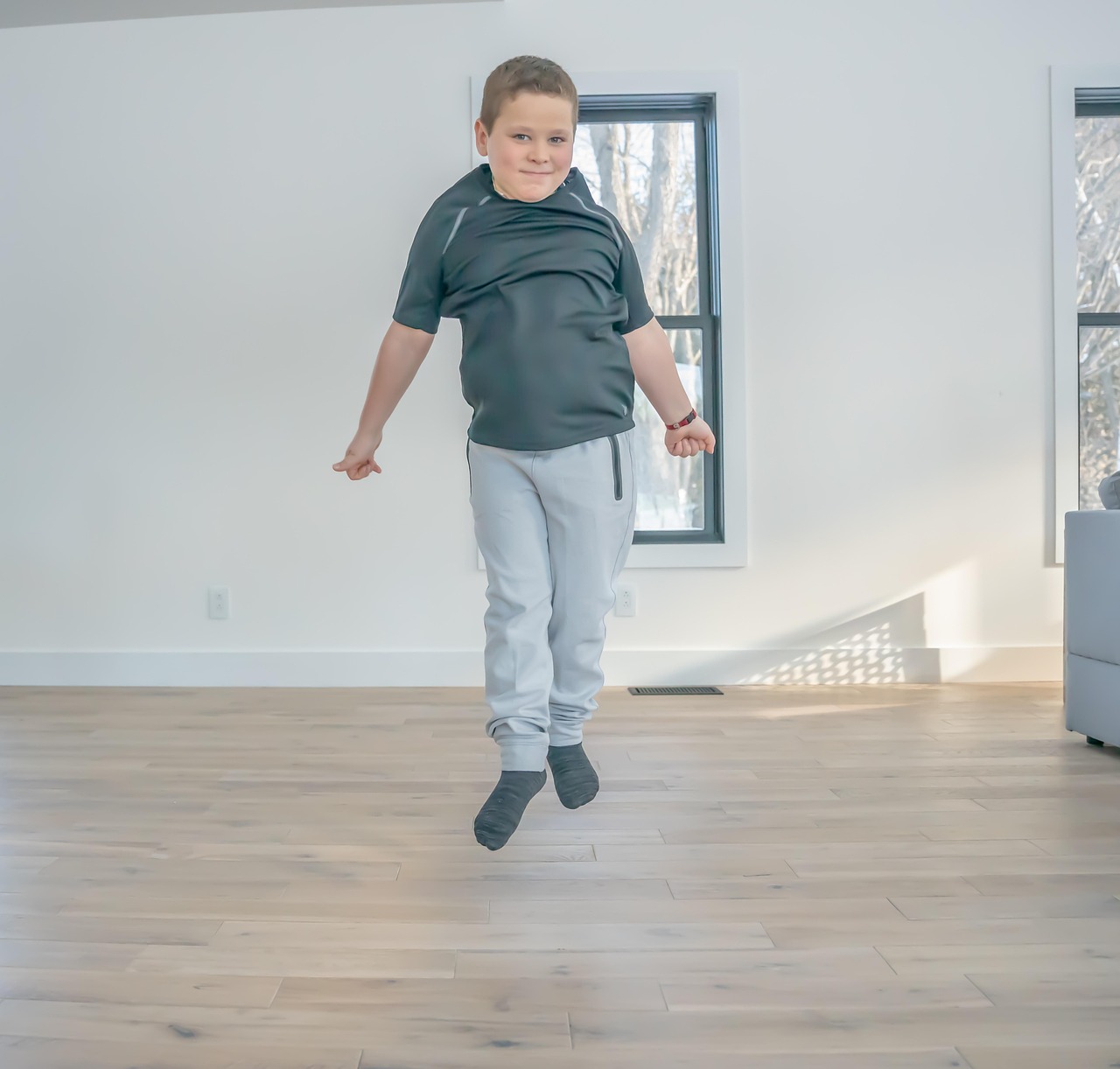

Safe Workout Routines for Kids and Adolescents
As parents, maintaining the health and fitness of our children is a priority. A well-structured exercise plan not only encourages kids to stay active but also helps build their confidence and overall physical well-being. To ensure safety while they engage in workouts, it’s important to keep several key principles in mind. First, proper supervision is essential. Always take the time to guide them throughout each exercise, explaining the correct form. This reduces the risk of injury substantially. Additionally, choosing age-appropriate exercises is crucial. Younger children typically benefit from playful activities that enhance motor skills, while adolescents may require more comprehensive routines focusing on strength and conditioning. Understanding how their bodies are developing will further tailor their workouts to meet their needs. Furthermore, encouraging hydration before, during, and after workouts will support their stamina. Engaging in variety is also beneficial to maintain interest and enthusiasm for fitness. Together, these strategies will help ensure that kids and adolescents enjoy safe and effective workout routines that promote their overall health and fitness.
Incorporating Fun Activities to Encourage Exercise for Children
Engaging children in physical activities can significantly enhance their interest in fitness. One effective way to make workouts enjoyable is to make them feel like games. Incorporate fun activities like tag, hide-and-seek, or obstacle courses to keep them active without it feeling like a chore. By blending fitness with play, children are more likely to embrace exercise as an integral part of their lives. You can also utilize home or neighborhood parks to create engaging workout sessions. Involving friends can further enhance this experience, building a social aspect that reinforces the habit of exercising regularly. Additionally, parents can consider enrolling their kids in organized sports such as soccer, swimming, or gymnastics. This not only builds teamwork and camaraderie but also covers essential fitness aspects that include coordination and agility. Making workouts of varied intensity also keeps it exciting. Ensure routines include components of strength, flexibility, and endurance to provide a well-rounded approach. Ultimately, instilling a love for movement at an early age will help form healthy lifelong habits.
Age-Appropriate Exercise Recommendations
When crafting workout plans for kids and adolescents, it’s vital to select exercises that correspond with their developmental stage. For preschoolers and younger children, activities that focus on motor skills are ideal. Simple games like balance beams or hopping help children develop coordination. As they progress into primary school, more structured activities such as yoga, dancing, or biking become suitable. These activities encourage social interaction while developing physical strengths. For older children and teens, resistance training with light weights or resistance bands can be introduced to build strength effectively. Exercises such as push-ups, sit-ups, and interval training can provide a comprehensive workout without additional risks. However, it’s important to maintain proper form and gradual increases in weight or intensity. Parents can approach professional trainers for guidance on the best practices regarding workout plans for different ages. The goal is to foster an environment where exercise feels rewarding rather than a punishment. By attentively planning age-appropriate routines, parents can ensure that workouts remain enjoyable and safe.
Understanding Safety Measures During Physical Activities
In emphasizing safe workout routines, awareness of safety measures cannot be overlooked. Parents must ensure that kids wear appropriate gear while engaging in any physical activity. For running or sports, fitted shoes that offer enough support are essential to reduce the risk of injuries. Furthermore, creating a safe environment is crucial. Designate areas that are free from hazards where children can exercise—this might mean avoiding locations with loose debris or hard surfaces. Additionally, warming up and cooling down should be non-negotiable parts of any fitness routine. A solid warm-up routine prepares their muscles and reduces strains, while cooling down assists in recovery. Parents should also observe signs of fatigue. If children express discomfort or fatigue, allow them a moment to rest and hydrate. Finally, understanding the individual fitness level of each child promotes a culture of listening to their bodies. The goal is to foster resilience and a solid foundation in fitness, where children feel supported and encouraged at every level of their exercise journey.
The Role of Nutrition in Kids’ Fitness Journeys
Nutrition plays a significant role in powering children through their fitness journeys. Parents can cultivate healthy eating habits to complement their kids’ exercise routines. It’s important to focus on balanced meals comprising plenty of fruits, vegetables, whole grains, and lean proteins. These food groups provide the necessary nutrients for energy and recovery after workouts. Teaching children the importance of nutrition from an early age creates lifelong healthy habits that last. Additionally, parents should keep an eye on portion sizes to prevent overeating while ensuring kids have the energy they need. Snacking before workouts can also be beneficial, with options like a banana or yogurt providing quick energy. Those who participate in sports need to understand the importance of hydration, especially during intense activities. A general guideline is to drink water before, during, and after exercise, particularly on hot days. Finally, fostering an environment that offers healthy food choices, while allowing for occasional treats, strikes a balance that promotes overall wellness. Emphasizing the importance of nutrition will aid children in achieving their fitness goals.
Setting Realistic Goals for Kids in Fitness Programs
In order to keep children motivated in their exercise routines, setting realistic goals is essential. Parents can work with their kids to determine what they want to achieve, whether that be running a specific distance, improving a skill, or dropping in activity levels. Crafting SMART goals—Specific, Measurable, Achievable, Relevant, and Time-bound—provides structure. This approach also makes it easy to track progress. For younger kids, goals can be encouraged using simple language, allowing them to celebrate small achievements that lead to longer-term objectives. Parents can help to inspire accountability by fostering an encouraging atmosphere. Effective communication about challenges and successes can boost confidence and keep children motivated. By tracking progress in fun ways rather than solely focusing on performance, the experience becomes less about winning and more about personal growth. Regular check-ins to reassess goals and adapt as necessary keep children engaged. Ultimately, a gradual building of skills will lay a solid groundwork for future success. By creating individualized goals, exercise becomes a fulfilling and enjoyable journey that fosters resilience in children.
Conclusion: Fostering a Life-Long Love for Fitness
In conclusion, creating safe workout routines for kids and adolescents requires thoughtful planning and a focus on enjoyment. By providing structured yet fun activities, prioritizing safety measures, and teaching kids about nutrition, parents can equip them for a healthier future. Encouraging kids to view fitness as a lifestyle rather than a chore is paramount. This might mean exploring different sports or activities, so they determine what resonates with them. As kids grow, being supportive and adaptive will allow them to maintain a positive relationship with fitness. Importantly, parents should serve as role models; engaging in exercise themselves creates a culture of health within the family. Through encouragement, understanding, and education, fostering a love for fitness in children is possible. By establishing these foundations early on, kids can navigate physical challenges confidently, leading to a more active and prosperous life. The aim should always be holistic well-being—mind, body, and spirit—creating future generations that prioritize fitness. Together, these steps will ensure that kids can thrive physically, socially, and emotionally through the routines they adopt.
This final section ties everything together, reminding parents that their involvement is crucial to cultivating a positive fitness culture. By ensuring kids adhere to safe workout routines, they will create lifelong fitness enthusiasts. With proper guidance, education, and support, parents can influence their children’s relationship with physical activity positively. Observing how fitness enhances their children’s mood, confidence, and social skills is worth every effort. Parents need to take an active interest in their kids’ fitness routines. Joining in on workouts can further cement family bonds while instilling a sense of accountability. By incorporating fun activities while ensuring safety, parents can empower kids to embrace exercise joyfully. As children and adolescents learn to appreciate fitness, they are likely to pass those values to future generations. In this light, adopting and adapting fitness habits becomes an enjoyable journey rather than a task. In closing, the essentials of safe workout routines for youths encompass much more than physical activities; they embody life lessons about health and resilience.