
Yoga-Based Flexibility Practices in Physical Rehabilitation
Flexibility is essential in physical rehabilitation, as it helps restore range of motion and reduces pain. Incorporating yoga-based practices can significantly enhance flexibility in rehabilitation programs. Yoga emphasizes mindful movements, breathing techniques, and postures that can aid in recovery. Patients recovering from injuries need a safe and effective way to regain their flexibility. Yoga provides various postures that can be tailored to individual needs, making it an excellent choice. By practicing yoga, patients can improve not just their physical capability but also their mental well-being. Increased flexibility promotes the efficient functioning of muscles and joints. Moreover, yoga encourages the release of tension within the body. Proper flexibility can lead to reduced chances of future injuries, especially during rehabilitation. Thus, focusing on enhancing flexibility should be a key component of any rehabilitation program. Many practitioners recommend integrating specific yoga poses that target various muscle groups. With the guidance of a knowledgeable instructor, patients can safely navigate their rehabilitation journey using yoga. This comprehensive approach helps in achieving holistic improvement in physical health and well-being during recovery.
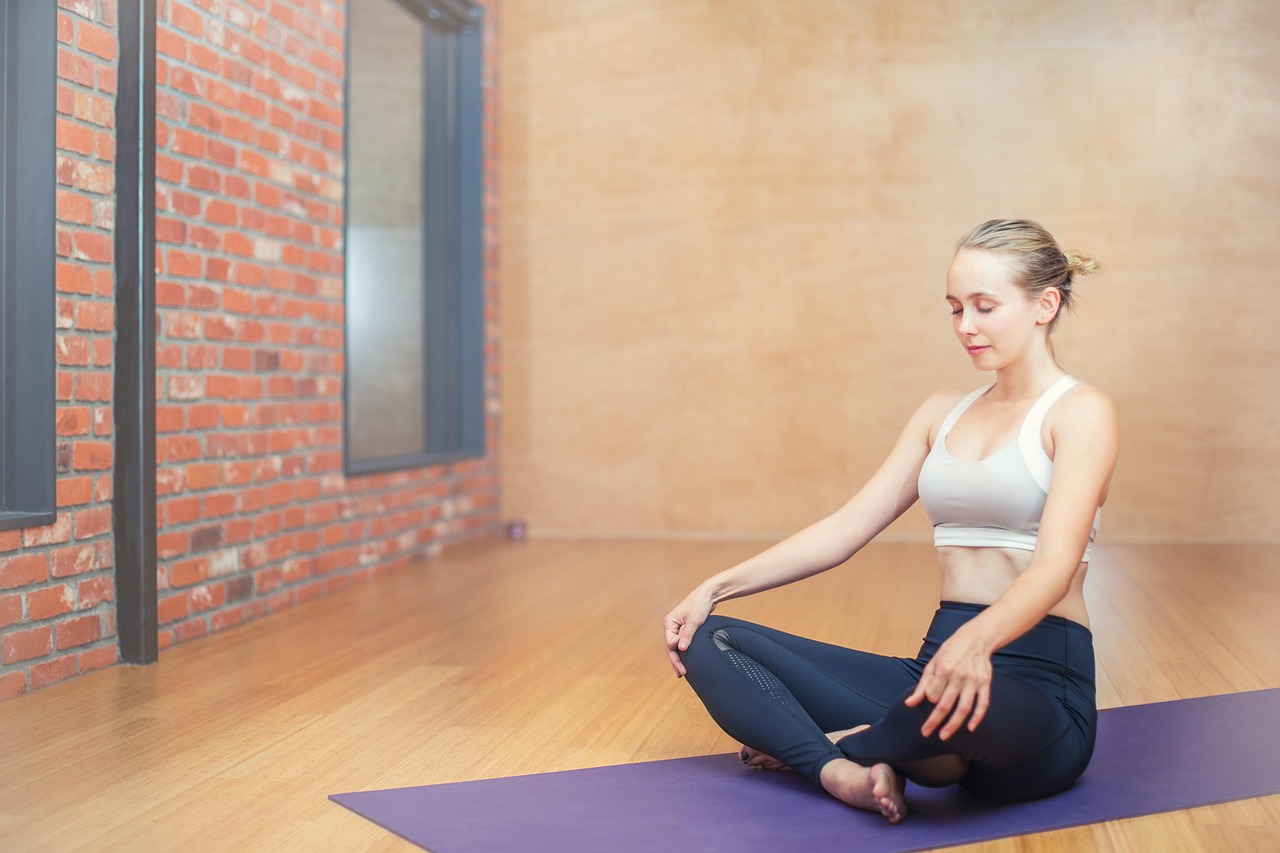
Specific yoga poses can be remarkably beneficial in enhancing flexibility. Standing stretches like Downward Facing Dog and Triangle Pose can improve leg and back flexibility effectively. By incorporating these poses into rehabilitation routines, patients can target specific areas in need of attention. Introducing poses gradually helps prevent further injury and focuses on safety. It is crucial to maintain a consistent routine for reaping the maximum benefits. Gentle yoga practices encourage gradual stretching of muscles, enhancing their ability to gain flexibility. After each session, patients can experience an immediate relief. The utilization of props like blocks or straps can further assist individuals who may struggle with accessing particular poses. Patients can hold and gradually deepen their stretches, fostering better results. Breath awareness is fundamental in yoga, promoting mindful movement. Focusing on breath helps to ease tension, allowing individuals to explore their flexibility without strain. Combining these practices not only enhances physical flexibility but can also significantly improve mental resilience. Therefore, reinforcing yoga’s role in rehabilitation is crucial for developing flexible rehabilitation programs tailored for individual patient needs. Expanding focus from flexibility to overall body awareness can be transformative.
The Role of Mindfulness in Flexibility Training
Mindfulness integrates deeply with yoga and can better enhance flexibility training. By concentrating on individual movements, patients can connect their mind and body effectively. This connection allows individuals to identify areas of tension, enabling focused relaxation within those regions. When patients understand their limitations, they can adapt their practice accordingly. Mindfulness also encourages greater engagement during yoga sessions. Engaged practitioners experience improved outcomes, leading to greater flexibility over time. This approach emphasizes the need for self-awareness and patience within rehabilitation. Rushing flexibility training can lead to injuries and setbacks. Therefore, a mindful approach promotes gradual progress. Additionally, mindfulness helps in reducing anxiety associated with rehabilitation. As patients learn to accept their current state, they can navigate the challenges of recovery with a more positive attitude. Regular practice of mindfulness within yoga sessions can thus yield significant benefits. Outcomes include improved flexibility and enhanced emotional regulation. The dynamic interplay of mindful awareness and physical movements cultivates a safe environment for healing. Ultimately, incorporating these elements into rehabilitation promotes a sustainable and enjoyable recovery experience for patients seeking enhanced flexibility.
Alongside flexibility, strength plays a crucial role in effective rehabilitation. Yoga not only enhances flexibility but also improves muscle strength crucial for recovery. Incorporating strength-building poses into rehabilitation programs helps balance flexibility with strength. Poses such as Warrior I and Cobra significantly bolster muscle engagement. Patients can expect improved overall fitness levels through a comprehensive yoga practice. The practice of maintaining weight-bearing poses also fortifies bones and muscles, essential for rehabilitation. Strengthening weak areas alongside enhancing flexibility creates a balanced approach to physical recovery. Physical wellbeing directly influences mental health during rehabilitation. Thus, fostering a positive mindset assists patients in meeting their goals with optimism. This dual approach becomes vital for recovery, facilitating both physical capabilities and emotional stability. Encouraging patients to focus on how strong they are becoming reinforces their motivation. Additionally, yoga can foster community among those recovering from injuries, facilitating shared experiences. This supportive environment nurtures positive relationships among participants. Engaging in group yoga sessions can also enhance personal accountability, contributing to improved outcomes. Overall, yoga’s multifocal approach encompasses flexibility, strength, community, and self-awareness, creating a comprehensive rehabilitation experience for patients.
Safety Considerations When Practicing Yoga for Rehabilitation
While yoga offers numerous benefits for rehabilitation, safety must always be prioritized. Patients should consult healthcare professionals before beginning any new exercise program, especially after an injury. With proper guidance, they can select the appropriate yoga poses that accommodate their specific situation. Adaptations might be necessary based on the individual’s condition or injury history. Moreover, working with certified yoga instructors who specialize in rehabilitation can maximize safety and effectiveness. These knowledgeable professionals can assist in modifying poses according to individual capabilities. Creating a safe space to practice yoga is vital, whether at home or within a group setting. Ensuring comfortable temperatures, non-slip mats, and appropriate props can significantly enhance the experience. Listening to the body is crucial during yoga practice; significant discomfort or pain should be addressed immediately. Mindful practice encourages individuals to respect their limits and avoid pushing through extreme stretches. Additionally, steady, controlled movements help maintain joint safety throughout rehabilitation. With attention to these safety considerations, individuals can enjoy the full benefits of yoga while minimizing risks and promoting positive outcomes in their rehabilitation journey.
Incorporating breathwork into yoga can enhance the overall effectiveness of rehabilitation programs significantly. Breath awareness plays a central role in yoga, helping patients to maintain focus during practice. Deep, conscious breathing helps to oxygenate the body, providing necessary energy for healing and recovery. It also assists in relaxing the nervous system, which is particularly valuable for those undergoing rehabilitation. Breathwork can be easily integrated with postures to deepen the stretch and promote greater flexibility. Coordinating movements with breath encourages a natural rhythm and improves movement quality. As patients become more attuned to their breath, they may find themselves more capable of exploring new ranges of motion. Additionally, breath exercises can empower individuals to cope with stress and anxiety associated with recovery. This aspect of yoga fosters a sense of control and composure, vital during rehabilitation. Over time, patients often experience improved lung capacity and overall well-being through consistent practice. Therefore, integrating breathwork within yoga-based rehabilitation programs is essential. Proper breath control further supports the dynamic interactions between flexibility, strength, and mindfulness, thereby enriching the patient experience and optimizing positive outcomes.
Conclusion: The Future of Flexibility in Rehabilitation
Looking ahead, it is evident that yoga-based flexibility practices will continue to shape the future of rehabilitation. As awareness of holistic approaches grows, more practitioners will seek to integrate yoga into recovery plans. The emphasis on flexibility not only aids injury recovery but also encourages long-term physical health. As research continues to validate the benefits of yoga, healthcare systems may increasingly recognize its significance. Future rehabilitation programs may incorporate yoga as a standard practice, changing the way individuals approach recovery. The adaptability of yoga allows it to be tailored to diverse needs and conditions. Hence, it holds potential for a broad range of applications within rehabilitative contexts. As healthcare providers seek comprehensive methods to enhance patient outcomes, the role of yoga becomes even more prominent. Continued collaboration between yoga instructors and rehabilitation professionals will be crucial in driving effective programming. Ultimately, increased flexibility, strength, and mindfulness through yoga can lead to empowering recovery experiences. The journey towards improved physical well-being will likely embrace yoga’s transformative potential, forging an innovative path in the realm of rehabilitation practices.