
Essential Ninjutsu Gear: What You Need for Training
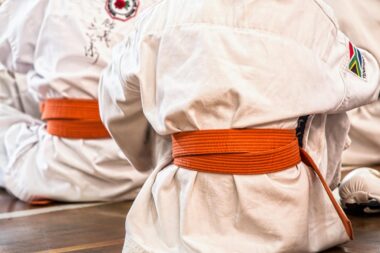
Ninjutsu, the ancient martial art of the ninja, requires specialized training tools to maximize your performance in practice. No matter your skill level, investing in the right gear is crucial for both safety and effectiveness. Let’s explore the essential items you’ll need to get started with your Ninjutsu training. First and foremost, a good training uniform is vital. A quality gi should allow for free movement while providing protection during training. It should also be durable enough to withstand rigorous practice. Another essential item is a pair of training shoes. Although traditional ninjutsu techniques often utilize bare feet, wearing appropriate footwear can support your joints and protect you from injuries. Additionally, consider high-quality shin guards and mouthguards. These elements offer protection when sparring, allowing you to focus entirely on technique rather than the fear of injury. Finally, invest in some training weapons to hone your skills effectively. Items like wooden staffs (bo), practice swords (bokken), and throwing stars (shuriken) may be included. They not only enhance your skills but also deepen your understanding of Ninjutsu.
Must-Have Accessories for Effective Training
In addition to a proper uniform and protective gear, various accessories can enhance the overall effectiveness of your training. One key accessory is a grappling dummy, which can be used for practicing throws, locks, and other techniques without a partner. A grappling dummy is perfect for solo practice and can significantly improve your skills over time. Another useful accessory is a resistance band, which is great for strength training. These bands allow for a wide range of exercises that can boost your strength and flexibility. Additionally, a good training mat is important for practice in a safe and comfortable environment. Mats can cushion falls, reduce injuries, and create a designated area for your training sessions. You may also want to consider a hydration system, such as a water bottle or hydration pack, to keep yourself adequately hydrated during intense training sessions. An efficient hydration routine can help prevent fatigue and improve performance. Finally, a training journal can be beneficial to track your progress. Note the techniques you learn, your progress, and areas for improvement as you develop your skills.
Moreover, do not underestimate the importance of mental preparation in Ninjutsu training. Training the mind is just as vital as training the body. Meditation can improve your focus, allow greater self-awareness, and enhance your ability to handle stress during practice. Furthermore, empathy and understanding of Ninjutsu philosophy can enrich your training. Learn from experienced practitioners, and explore resources such as books, videos, and workshops. This education expands your understanding of techniques and their applications. Consider taking part in seminars, camps, and experiential learning sessions that focus on both technical skills and the mental aspects of martial arts. Another useful element to integrate into your training routine is visualization techniques. Visualizing techniques in your mind reinforces muscle memory and boosts confidence. Maintaining flexibility is essential; therefore, include consistent stretching in your regimen. It enhances your movements, increases your range of motion, and can prevent injuries, allowing you to practice effectively for longer durations. Lastly, creating friendships with fellow trainees can ensure motivation and a lively community, supporting each other’s journey. Ninjutsu training can be both enjoyable and rewarding with the right mindset and social support.
Investing in Quality Gear
As you prepare and equip yourself for Ninjutsu training, consider the significance of quality versus affordability. While it may be tempting to purchase cheaper gear, investing in high-quality equipment can provide better performance and durability. Brands specializing in martial arts equipment often create items designed for both comfort and function. Pay attention to customer reviews and professional endorsements when selecting gear. When researching, look for specific clothing material that offers flexibility and ventilation; cotton blends are common. It’s essential to ensure protective gear meets safety standards to minimize the risk of injury. Moreover, consider the fit of all your gear—wearing well-fitting items enables free movement. A poorly fitted uniform can limit your range of motion and distract you from training. For training weapons, purchasing from reputable sources ensures you’re getting safe and effective tools for practice. Lastly, consult instructors or fellow practitioners for recommendations on gear. Their firsthand experience can help you identify the best options, making your training journey more enjoyable and success-oriented. Planning your purchases based on your needs will eventually enhance your overall training experience.
Additionally, new practitioners should remain mindful of the environmental factors affecting their training gear. If you are training outdoors, keeping weather considerations in mind is essential. For instance, rain may require water-resistant gear, while cold temperatures may necessitate additional layers to maintain your comfort. Furthermore, you should properly maintain your gear. Regular cleaning ensures durability and hygiene, especially for your training uniform. Follow the manufacturer’s care instructions, and address any signs of wear or damage. This practice not only ensures safety but also enhances functionality. Avoid training with damaged gear, as this could lead to injuries or reduced effectiveness. Understanding the importance of upkeep helps create a sustainable training regimen. Additionally, ensure you have access to a safe, clean space for practice, whether at home or in a dojo. Keep your training area organized and free from hazards to minimize the chance of accidents. Utilize tools like self-assessments to evaluate your skills, focus areas, and gear needs. Having a balanced approach to gear, space, and mindset will optimize your ninjutsu training experience, equipping you for growth and improvement.
Conclusion: Elevating Your Ninjutsu Experience
To conclude, engaging in Ninjutsu training is both a fascinating and rewarding journey that requires thoughtful preparation and the right gear. Remember that gear selection is vital; investing in high-quality items ensures optimal protection and improved performance during training. Emphasizing both physical and mental preparations will lead to a deeper understanding of this violent art form. Embrace the philosophy behind Ninjutsu as you refine your skills, develop discipline, and cultivate respect for yourself and others. Furthermore, developing strong relationships with instructors and peers creates a supportive environment, paving the way for an enriched training experience. Continued education, through workshops, videos, or literature, provides diverse perspectives and techniques, speeding up skill mastery. Create a flexible training plan incorporating both strength and recovery elements that works for you specifically. Listen to your body and adjust your training intensity as needed to prevent injuries and promote effective learning. Ultimately, the goal is to become proficient in Ninjutsu techniques, balancing mental clarity and physical ability, which showcases your dedication and passion for this martial discipline.
As you progress in your ninjutsu training journey, remember to celebrate your achievements, no matter how small. Every advancement contributes to your overall growth, and maintaining a positive mindset is crucial. Share your experiences with fellow practitioners, participate in local events, and engage in friendly competitions to enhance your comfort level and skills. You’ll find that training does not solely reside within the dojo; it permeates other aspects of life. The discipline and focus developed through Ninjutsu can greatly impact your everyday activities. Explore additional training areas, such as physical conditioning or self-defense courses, to round out your skill set. Seeking diverse experiences will only solidify your understanding of martial arts. Lastly, remember that mastery is a lifelong journey. Stay curious and hungry to learn, adapt to new techniques, and be open to instruction from both peers and instructors. The goal is to learn not only about Ninjutsu but also about yourself; this knowledge will ultimately contribute to your personal development and martial artistry. Always strive for excellence, knowing that your effort will not go unnoticed and that you’re continuously evolving in the practice of ninjutsu.