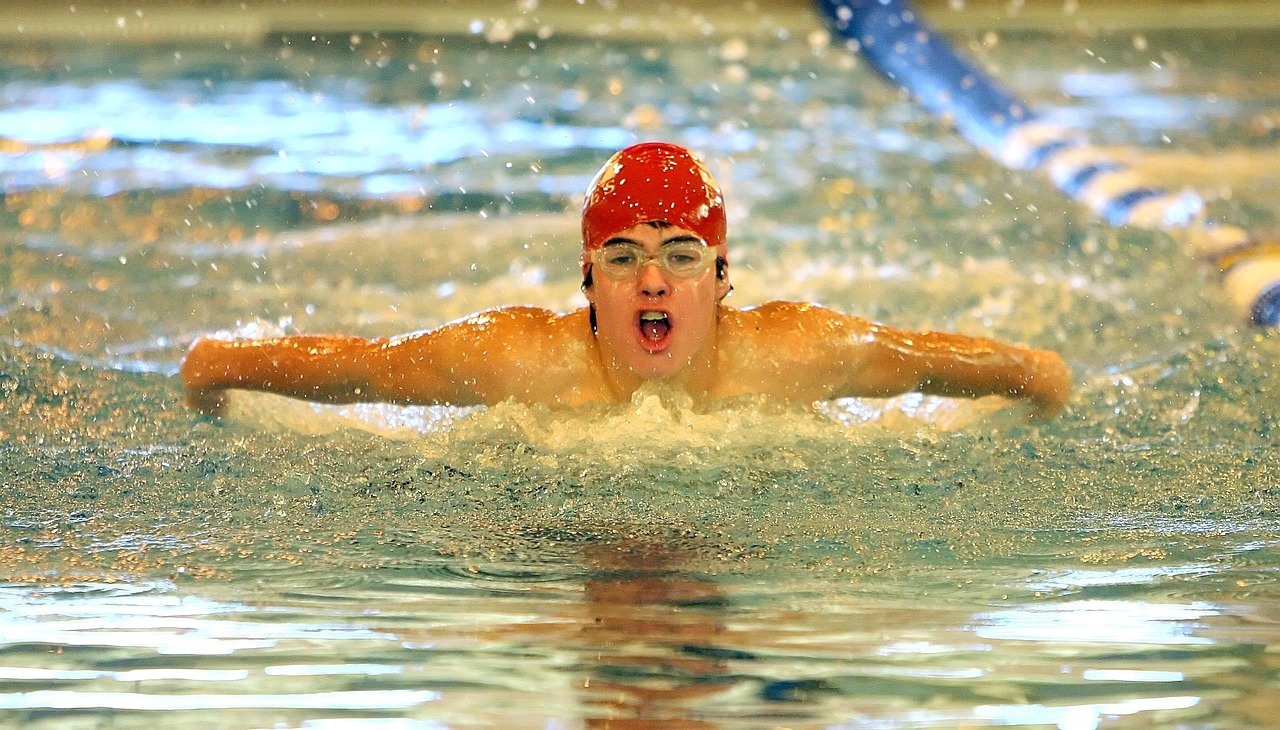

How Controlled Breathing Enhances Swim Performance
Breathing control is an essential aspect of swimming performance, integrating physical and psychological elements for elite athletes. Effective breathing techniques can enhance overall swim times and efficiency. Learning to coordinate breathing patterns in sync with strokes improves endurance and lowers energy expenditure. Many swimmers face challenges when managing their breath while competing. Without proper control, athletes may tire quickly, affecting speed and technique. Implementing structured breathing exercises can correct these issues. Swimmers who focus on their breath tend to experience less stress and anxiety. Relaxed breathing facilitates better oxygen delivery to the muscles, increasing stamina during demanding races. Athletes continuously optimize their breathing strategies in practice sessions to prepare for competition. This aspect of training should not be overlooked, as it is linked directly to enhanced performance outcomes. Coaches and trainers play a critical role in developing tailored breathing programs for swimmers. By addressing individuals’ unique challenges, they can help athletes achieve breakthroughs in performance. Ultimately, consistently incorporating effective breathing techniques into training can lead to significant improvements in swim performance, making it an indispensable element of aquatic training routines.
Controlled breathing techniques also promote better relaxation and mental focus during competitive events. Swimmers often deal with anxiety before races, which can interfere with both performance and enjoyment. Techniques such as diaphragmatic breathing are beneficial in this context. It helps swimmers manage their stress levels while maintaining focus on their technique and strategy. By training their minds to remain calm, swimmers can achieve greater clarity and concentration. A clear mental state allows athletes to engage more fully in their performance, taking advantage of their physical training. Implementing visualization techniques alongside controlled breathing can enhance mental preparedness. Swimmers often visualize themselves executing optimal performance while breathing steadily and rhythmically. This connection between body and mind becomes crucial during important meets. Being able to calm the mind can lead to improved reaction times at the starting block and smoother transitions in strokes. Additionally, breathing control positively affects body position in the water. A better body position contributes to overall efficiency while swimming, allowing swimmers to glide effortlessly through the water. The combination of mental clarity and physical performance makes controlled breathing an asset for all swimmers.
The Physiological Benefits of Controlled Breathing
There are significant physiological benefits associated with controlled breathing techniques, particularly for swimmers. Firstly, these methods improve the oxygen uptake efficiency in the lungs. Swimmers need a consistent supply of oxygen to sustain their energy levels. By mastering breathing control, swimmers can achieve greater lung capacity and functionality. Enhanced lung capacity allows swimmers to take deeper breaths while reducing unnecessary gasping during strokes. As a result, swims become more efficient as less energy is wasted on ineffective breathing. Additionally, controlled breathing reduces the buildup of lactic acid in the muscles, which can lead to fatigue. With effective breathing techniques, swimmers can more readily expel carbon dioxide, reducing muscle fatigue and promoting longer endurance. Moreover, the rhythm established through controlled breathing supports a more economic swim stroke. Repeating the same breathing pattern habituates the body into recognizing when to exhale and inhale, enabling smoother strokes. This can result in better pacing strategies during competitions. By incorporating breathing control in their training regimens, swimmers experience increased performance levels, leading to impressive personal bests in events as they harness these physiological benefits to their advantage.
Controlled breathing also plays a vital role in stroke efficiency, as it helps maintain body alignment and reduce drag. Body alignment is crucial in swimming, impacting speed and energy expenditure. Swimmers who can hold their breath while their bodies remain streamlined find it easier to move through the water. Thus, learning to breathe without disrupting the body’s position significantly contributes to performance. When swimmers focus on their breathing patterns, they find that their strokes become more rhythmic and consistent. Without proper breath control, a swimmer can easily lose balance, leading to grueling drag that weighs down performance. A crucial aspect of stroke efficiency is learning how to integrate focused breathing into each stroke. This includes glimpsing the water and switching quickly without losing momentum. It is vital for racers to practice maintaining a solid body position during all stages of a swim. Efficient drag reduction means that swimmers can swim faster without expending excessive energy, ultimately enhancing competitiveness. Swimmers can work on fine-tuning their techniques and maintaining optimal performance by prioritizing controlled breathing within their training sessions.
The Importance of Customized Training Programs
The development of customized training programs focusing on breathing techniques can significantly increase swimming performance. Each swimmer is unique; thus, training should reflect individual strengths and weaknesses. Coaches need to observe athletes to identify the areas where breathing control can be improved. Customized plans may include targeted drills, breathing exercises, and mental training strategies. Additionally, swimmers’ preferences and comfort levels with different techniques should be considered. The goal is to create a program that not only enhances breathing control but also aligns with each swimmer’s personal objectives. Setting realistic, measurable goals can facilitate progress monitoring and motivate swimmers to stay committed. Integrating feedback loops and assessments will allow athletes to recognize areas for improvement and celebrate successes. Coaches must foster open communication with swimmers to adapt and refine these training protocols as needed. Encouraging adaptability within training routines can lead to remarkable performance improvements. Swimmers who feel supported in their practice are more likely to engage consistently. A positive sports culture is crucial for the overall development of athletes, enabling them to realize their potential through structured training programs focused on breathing control.
For competitive swimmers, understanding the role of breathing invites greater mastery over their craft. The psychological aspects of breathing control should also be acknowledged, as they can impact performance perception. By focusing on effective breathing techniques, athletes report a heightened sense of control during their swims. This perceived control can translate into increased confidence levels, reducing anxiety. Athletes who breathe purposefully are less likely to enter a state of panic when faced with challenges in the water. Consequently, they can sustain focus during challenging races and remain connected with their performance strategies. Breathing control acts not only as a physical tool but also as a psychological one. Developing mental resilience through breathing techniques results in overall mental fortitude during competitive settings. Swimmers can leverage these techniques in stressful situations, emphasizing their training’s physical and psychological benefits. Both aspects create a formidable combination that leads to improved performance outcomes. As swimmers cultivate greater self-awareness regarding their breathing, they become capable of handling pressure effectively. These intertwined physical and psychological aspects yield impressive development in their swimming careers as they master controlled breathing.
Conclusion: Embracing Controlled Breathing for Optimal Performance
Embracing controlled breathing is a transformative approach for swimmers aiming for optimal performance. This article has highlighted the myriad benefits stemming from integrating breathing control techniques into training regimens. Improved physiological performance translates to enhanced physical capabilities in the water. Swimmers who prioritize breathing control observe increased stamina alongside reduced fatigue levels. Additionally, mental fortitude cultivated through focused breathing allows athletes to execute better under competitive pressure. Customized training programs further enhance the benefits of breathing control by tailoring approaches to unique individual needs. Written plans empower athletes to progress systematically, recognizing improvements along the way. Swimmers must remain committed to consistent practice, acknowledging that breathing techniques require diligence and determination. Ultimately, swimmers who prioritize controlled breathing will stand out during competitions, as they experience sustainable improvements and reach their full potential. This vital aspect of swimming training is not merely an ancillary consideration but should be viewed as a central element. As swimmers embrace this technique, they also embrace opportunities for personal growth and heightened performance on the world stage; thus, controlled breathing becomes a catalyst for exceptional swimming success.
In addition to the physical and mental benefits of controlled breathing, its potential for enhancing overall enjoyment of swimming cannot be overlooked. When athletes learn to manage their breath effectively, they often report increased satisfaction in both training and competition. This increased joy in swimming can be transformative, as it encourages athletes to stay committed to the sport long-term. Swimmers who embrace their breathing find themselves more relaxed and connected to their bodies during each stroke. This authentic engagement fosters a deeper appreciation for their athletic prowess and encourages personal growth through dedication to their craft. Controlled breathing helps swimmers maintain composure in various situations, allowing them to experience the joys of swimming in diverse environments—be it in open water or a competitive pool. As enjoyment increases, athletes are more likely to encourage camaraderie and cohesiveness with their teams. The positive atmosphere generated by enthusiastic swimmers can elevate team spirit and motivation, thus creating a thriving community of support. By prioritizing breathing techniques, swimmers unlock the door to enhanced enjoyment, leading to fulfillment that transcends athletic performance.


