
Preparing for a Bushcraft Trip: Gear Checklist and Tips
Preparing for a bushcraft trip requires careful planning and essential gear selection. You’ll want to start by determining the location and duration of your adventure. Research the environment you’ll be exploring to tailor your gear appropriately. This includes understanding the climate, terrain, and potential wildlife encounters. A good rule of thumb is to aim for lightweight, versatile materials that serve multiple purposes. Start by organizing your gear into categories like shelter, cooking, fire, and food. Each category will have specific items you’ll need. For shelter, consider a durable tent or tarp. For cooking, pack essential items like a pot, utensils, and a portable stove. Lastly, prioritize safety tools like a first aid kit, emergency whistle, and map. Keeping these items organized can help you feel prepared and confident during your trip. Having a detailed checklist can prevent forgetting important items. As you prepare, also remember to review your bushcraft skills. Knowing how to forage, build fires, and navigate can significantly enhance your outdoor experience. Ensure you practice these skills to enhance your enjoyment and safety in the wilderness.
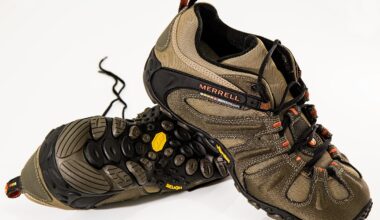
When packing your clothing for a bushcraft trip, consider the weather conditions and choose appropriate materials. Layering is crucial; start with a moisture-wicking base layer, followed by an insulating middle layer, and finish with a waterproof outer layer. Fabrics like wool and synthetic materials offer great insulation and moisture management. Don’t forget a sturdy pair of boots suitable for rugged terrain. Accessories such as hats, gloves, and scarves can provide additional warmth and protection. Furthermore, it’s advisable to pack extra pairs of socks and undergarments. During bushcraft adventures, one often encounters various elements that can lead to discomfort, so being prepared with proper clothing makes a huge difference. Additionally, bring a durable backpack to carry everything comfortably. Look for backpacks with a good weight distribution and padded straps to prevent strain. Always ensure your backpack is fitted correctly and roomy enough could accommodate all selected gear. Remember, comfort is key during long hikes. As you pack your clothing, consider adding items that assist in insect protection, like bug spray or netting. These preparations will contribute to a much more enjoyable experience in the great outdoors.
Essential Tools for Bushcraft
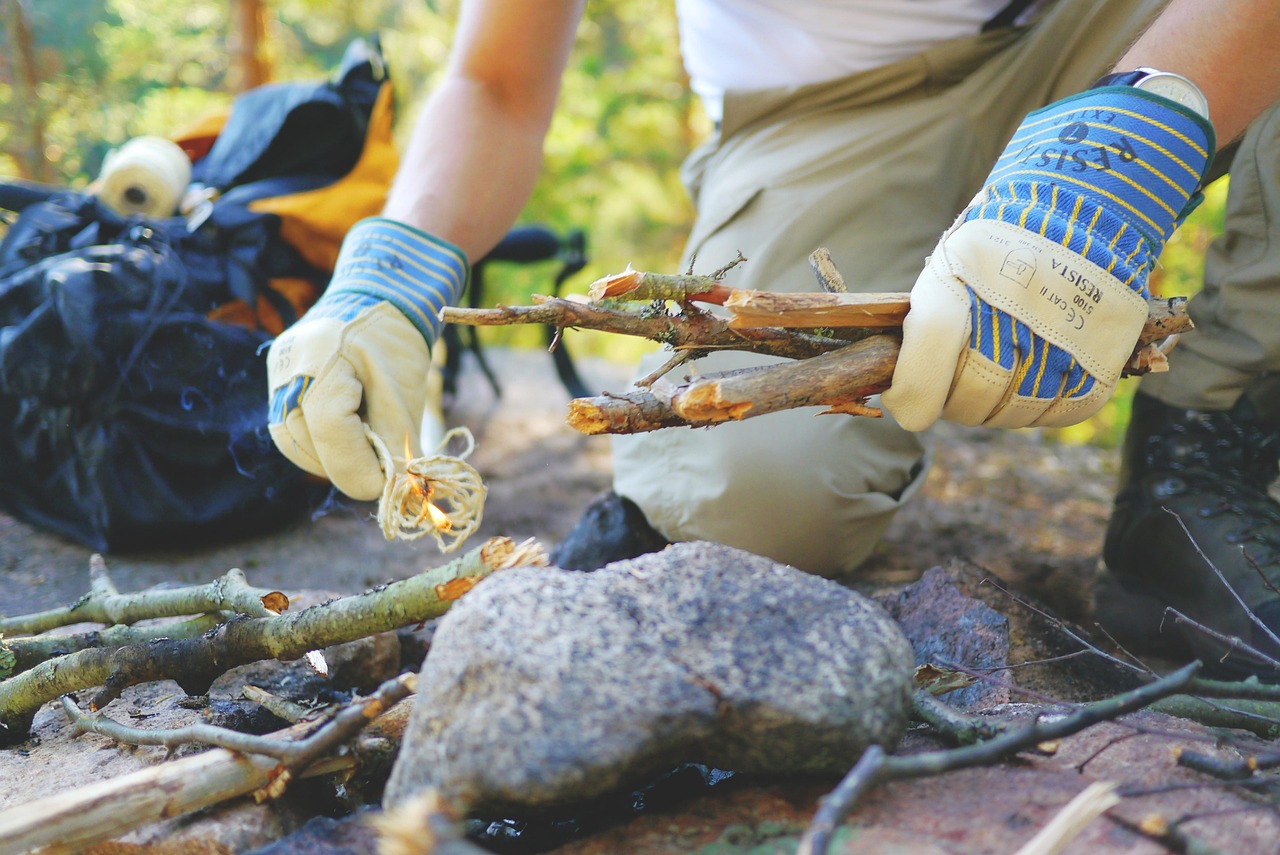
Having the right tools is vital for any bushcraft trip; they help facilitate various activities. A reliable knife is perhaps the most essential tool in bushcraft. Opt for a sturdy fixed-blade knife, as it serves many purposes from food preparation to wood carving. Another critical tool is a multi-tool, which incorporates various functionalities into a single device, providing versatility and convenience. Additionally, a sturdy axe or saw will help you gather firewood and craft materials. Ensure they are well-maintained and sharp to maximize efficiency. Don’t forget tools for fire-starting such as waterproof matches, a lighter, or flint, facilitating quick and reliable ignition. Once you have your tools, spend time learning how to use them safely and effectively, enhancing your overall skill set. Other useful items include rope or cordage, which have countless applications from shelter building to tying down gear. Remember to include a water filtration system or purification tablets, as clean drinking water is essential on any trip. By assembling a complete toolkit, you’ll ensure you are well-equipped to tackle any challenges that arise during your adventure. This attention to detail can help you feel more secure during your bushcraft experience.
As you plan your bushcraft trip, it’s vital to have a well-thought-out meal plan. Eating well in the wild will keep you energized and focused. Start by preparing easy-to-cook meals that require minimal ingredients yet are filling and nutritious. Ingredients like rice, lentils, and dried fruits can be lightweight sources of energy. Additionally, consider bringing a portable stove or cooking system to help boil water and cook meals efficiently. Always package your food in resealable bags or containers to keep them fresh and protected from animals. Don’t forget to account for snacks, such as nuts and energy bars, which can be great for quick energy boosts. Also, familiarize yourself with foraging in the region where you’ll be camping, as this adds diversity to your diet. Knowing which plants are edible can significantly enhance your experience. If your bushcraft trip allows for fishing, plan accordingly by bringing a simple fishing line and hook to supplement your meals. Lastly, intricately planning meals not only gives you something to look forward to but also allows you to save space. Foods that are easy to prepare, nutritious, and safe are essential in minimizing stress during your adventure.
Safety Measures and First Aid
Safety is paramount during any bushcraft adventure; being prepared can make all the difference. Start by familiarizing yourself with basic first aid practices. Carry a well-stocked first aid kit, including items like band-aids, antiseptic wipes, gauze, and pain relief medication. It’s also wise to include specialty items like allergy medication or blister support, depending on individual needs. Knowing how to effectively use these supplies can help address minor injuries or illnesses before they escalate into severe issues. In addition to first aid items, familiarize yourself with the local wildlife and potential hazards. This knowledge can help you avoid dangerous encounters, whether from insects, animals, or plants. Always inform someone of your trip details and expected return time. In case of emergencies, having a map and compass is valuable, and practicing navigation skills can ensure you don’t get lost. Moreover, consider bringing a personal locator beacon (PLB) for additional safety. Understanding the fundamental principles of risk assessment can help you minimize dangers during your bushcraft experience. Being vigilant and prepared reduces risks significantly, allowing you to focus on enjoyment in nature.
As your trip draws near, it’s time to conduct a final gear check and review the logistics of your trip. Make a checklist of all items you plan to take and ensure everything is assembled. Go through your gear systematically and confirm that everything is in working order. This can prevent surprises at critical moments. Additionally, engage in practice runs if you have the time. For instance, try setting up your tent and using your cooking gear in your backyard or during a local camping trip. Assess any new items or skills you may need to improve upon before your adventure. It’s also beneficial to remind yourself of sustainable practices to minimize your environmental impact. Familiarize yourself with Leave No Trace principles to preserve the beauty of nature for future generations. Being respectful to the environment enhances your bushcraft experience and encourages a deeper appreciation for the wilderness. Lastly, ensure you have adequate transportation arrangements and check weather forecasts before departure. By meticulously reviewing your preparations, you enhance your confidence and increase the chances of a successful adventure.
Enjoying the Experience and Reflecting
During your bushcraft trip, take time to enjoy the nature around you rather than rushing through activities. Disconnect from technology and immerse yourself in your surroundings; this offers a break from daily pressures. Embrace mindfulness by observing the wildlife and appreciating the sounds of the wilderness. Keeping a journal of your experiences can also be rewarding, helping you capture memories and reflections. Documenting your journey aids personal growth and enhances understanding of bushcraft techniques. Engage with your companions and share tasks, which strengthens bonds while learning from one another’s insights. As night falls, gather around a fire to share stories and experiences, creating lasting connections. Reflect on challenges faced and skills learned, fostering resilience. Additionally, make a habit of evaluating each experience; this reflection can guide future trips. Each outing in nature provides unique lessons, whether in surviving, foraging, or navigating. Once you’ve returned home, consider what went well and what could be improved for your next adventure. This continuous journey towards self-improvement ensures you draw valuable lessons from every bushcraft experience, enriching future explorations into the wild.
Ultimately, preparing for a bushcraft trip is about balancing foresight with the thrill of adventure. Equip yourself with essential skills, gear, and tools for navigating the outdoors confidently. Approach every preparation phase as an opportunity to learn, ensuring that your knowledge extends beyond just collecting gear. Embrace the excitement of your upcoming journey, knowing that each element you gather contributes to a wonderful experience in nature. The balance between safety and spontaneity is crucial, allowing you to enjoy your exploration without unnecessary concerns. Don’t forget to be adaptable; flexibility in your plans can lead to unexpected discoveries. These adventures contribute significantly to our love for the outdoors, reminding us of the beauty and tranquility that such experiences offer. As you prepare, focus on the journey just as much as the destination. Engaging in thorough preparation empowers and enriches your adventure and fosters a deeper connection to nature. In essence, thorough preparation mixed with a spirit of discovery can lead to unforgettable experiences in the wilderness. So gear up, prepare, and set off on your bushcraft adventure with anticipation and open-mindedness!