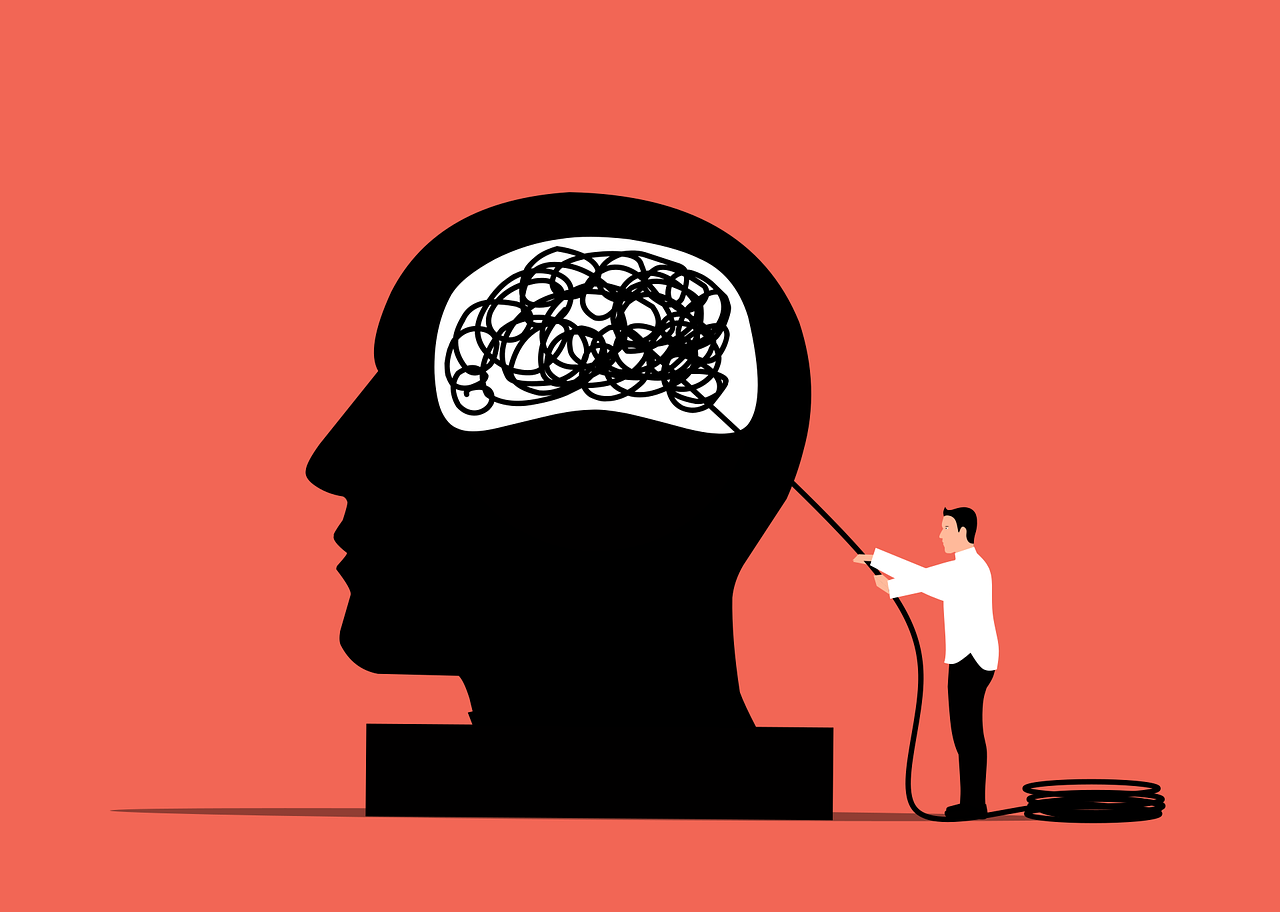

Stress Management Strategies Integrating Social Support and Sport
Stress is an unavoidable part of life, impacting us in various forms. However, managing stress and its effects is vital for improved mental well-being and overall health. Integrating social support with sports can be one effective strategy to combat stress. Engaging in physical activities not only provides the stress relief but also fosters social connections. A strong support network enhances resilience against stress. Friends, family, and community members play crucial roles in encouraging participation in sports. They create environments that reinforce motivation, creating opportunities for shared activities that promote well-being. Moreover, individuals involved in team sports tend to experience less anxiety and depression. This is due to several factors, including enhanced feelings of belonging and acceptance within a group. Overall, it is essential to understand that stress management must coincide with adequate social interaction and support systems, leading to healthier lifestyles. Therefore, inclusion of sports, combined with a solid social support system, aligns perfectly in developing effective stress management strategies.
In corporate settings, stress is often a significant challenge faced by employees, making it crucial to address these issues through social support and activities. Organizations can implement sports-oriented teams, encouraging participation in recreational activities. These initiatives can foster camaraderie among coworkers, creating stronger interpersonal relationships. Such relationships alleviate feelings of isolation, leading to increased job satisfaction and productivity. Employee support programs can further assist in providing resources for sports-related activities. Encouraging group outings and events promotes mental health while building trust among team members. Furthermore, structured physical activities allow individuals to set shared goals. Reaching these goals together provides a sense of accomplishment and boosts morale. With a positive support network, employees are more likely to approach stressful situations with resilience. When colleagues encourage each other, it creates an environment that promotes collaboration, rather than competition. This synergy effectively combats workplace stressors, allowing employees to thrive. In conclusion, integrating social support through sports activities within the workplace can create meaningful improvements in stress management and overall employee well-being.
The Role of Community Sports Programs
Community sports programs offer significant avenues for fostering social connections, which are crucial for effective stress management. By participating in local teams and events, individuals can engage in healthy activities while building friendships. Studies have shown that individuals who are part of community sports have increased levels of socialization and decreased stress levels. These programs often cater to all ages and skill levels, making them highly accessible. When residents come together to participate in sports, they create a sense of community that is beneficial for mental health. Opportunities for collaboration in sports also result in shared successes, strengthening ties between participants. Moreover, community sports provide structured outlets for expressing emotions, reducing the likelihood of stress accumulation. Individuals can bond over challenges and celebrate achievements during games and competitions. Over time, these experiences create lasting friendships that contribute positively to one’s mental and emotional well-being. It plays a critical role in the support networks essential for managing stress effectively. In summary, community sports programs serve as vital frameworks in promoting social support while addressing individual stressors.
Mindfulness practices integrated within sports can be powerful tools for managing stress. Techniques such as deep breathing and visualization can be used during physical activities to enhance focus and relaxation. When engaging in sports, employing mindfulness allows individuals to remain present, minimizing worries about past or future stressors. This focused attention on the activity becomes a form of meditation, promoting mental clarity and emotional regulation. Furthermore, practicing mindfulness together with sports fosters camaraderie among participants, reinforcing social connections. Engaging in team sports or activities promotes unity as team members practice mindfulness collectively. This aspect can lead to heightened emotional well-being, as participants support one another in developing mindfulness techniques while exercising. Integrating elements of mindfulness into sports activities can further enhance resilience against stress. Whether through yoga, running, or team sports, these practices encourage individuals to connect with themselves and each other on emotional levels. By creating safe, supportive spaces for mindfulness in sports, participants can explore constructive coping mechanisms together, developing long-lasting strategies for stress management. In essence, harnessing the power of mindfulness through sports refines the approach to managing stress effectively.
The Importance of Emotional Support
Emotional support is essential in leveraging sports and social connections to mitigate stress. Friends and family members can act as emotional anchors during stressful periods, providing encouragement and understanding. Research indicates that individuals with robust emotional support systems are more adept at navigating stress. Sporting activities create numerous opportunities for shared experiences that can prove invaluable during challenging times. Having someone to turn to when facing stress encourages open discussions about worries and solutions. Engaging in sports together can enhance emotional bonds, fostering environments where individuals feel comfortable expressing their concerns. Consequently, these supportive relationships can lead to healthier coping mechanisms, steering people away from unproductive behaviors. Developing trust through shared activities creates safe spaces for vulnerability, which enhances emotional resilience. Mentoring within sports also plays a critical role in stress management. When experienced team members offer guidance to novices, it builds a sense of belonging and reduces feelings of inadequacy. This nurturing environment encourages participants to acknowledge their feelings without judgment. In essence, cultivating emotional support through sports amplifies personal growth, creating harmonious networks focused on stress reduction.
Integrating stress management strategies with a focus on social support helps individuals develop a proactive mindset toward dealing with challenges. Engaging in physical activities allows participants to cultivate not only their physical health but also their mental health. As participants connect with others socially while involved in sports, they learn valuable skills such as teamwork, communication, and conflict resolution. These skills become instrumental when addressing stress-related issues and navigating life’s complexities. Furthermore, active participation in team sports instills a sense of responsibility among individuals, enhancing their commitment to both personal and collective well-being. Additionally, individuals learn to celebrate their achievements, both individually and as a team, fostering a positive mindset. As individuals regularly engage with their support systems through sports, they experience transformations in their coping strategies. Overall, social interactions within a sporting context contribute immensely to improved emotional resilience. Sports and social connections are key components of effective stress management strategies. Encouraging individuals to engage in these activities can ultimately lead to healthier lifestyles and improved overall well-being in the long run.
Conclusion and Next Steps
In conclusion, integrating social support within sports activities offers a comprehensive approach to effective stress management. Individuals can benefit significantly by nurturing strong relationships while engaging in physical activities. It is essential to build networks that support these healthy habits for long-lasting positive effects. Encouragement from peers fosters commitment and personal growth, creating a ripple effect moving forward. To implement this strategy successfully, individuals should look for local sports programs, join clubs, or simply gather friends for regular athletic activities. Establishing friendships in these contexts can enhance one’s ability to cope with stress constructively. It can be beneficial to explore various sports that pique one’s interest, as enjoyment enhances motivation. Recognizing the importance of social support in stress management will lead to healthier outcomes. Each person may find different activities that resonate well with them. Still, the shared experience of engaging with others will undoubtedly lighten any burdens. Together, we can create an inclusive environment where sports become essential tools for tackling stress and fostering mental well-being, positively impacting communities and personal lives.
It is important to recognize that stress is an inherent part of life many individuals face daily in varying degrees. By applying effective stress management strategies integrated with social support and sports, the gap can be bridged between individuals and their stressors. As these individuals participate in both physical activities and group settings, they learn valuable skills necessary for resilient living. Understanding the realities of life while building emotional connections through sports helps individuals develop healthy responses to stressful situations. Stress management not only contributes to better mental health but also promotes overall well-being. Moreover, developing a balanced lifestyle that incorporates physical activity with social interaction can create a fulfilling existence. Staying committed to these practices becomes easier when one is surrounded by supportive networks. Therefore, fostering these relationships is essential in overcoming stressors. Supportive friends and social circles become essential allies in creating a healthier mindset. Consequently, each participant learns to cope better with life’s challenges while enjoying shared experiences. The influence of social support through participatory sports is irrefutable. Making time for these connections will yield lasting benefits for individual growth and community cohesion.