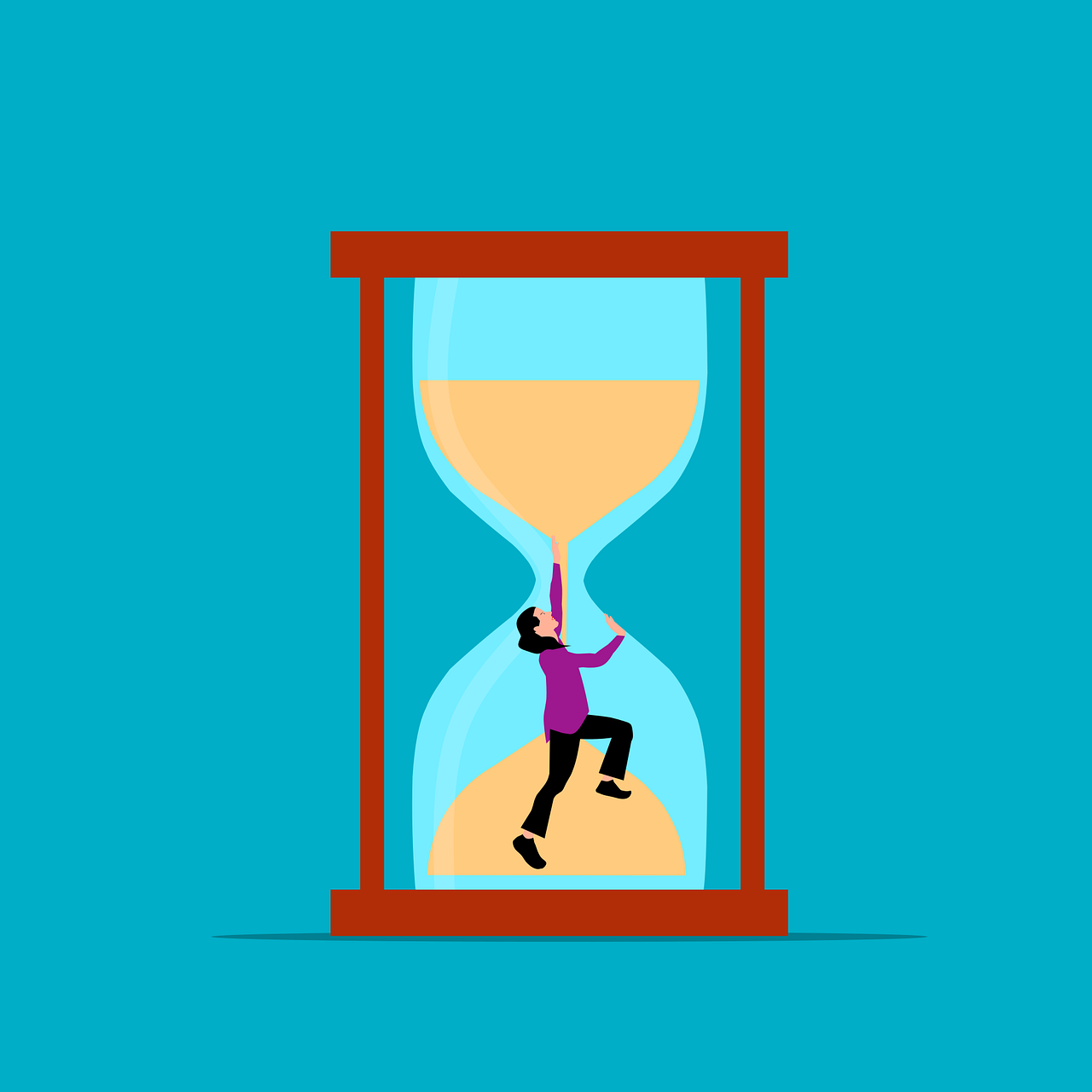

How to Handle Pressure and Stress in Competitive Hockey
In competitive hockey, players face immense pressure and stress during games and practices. The constant scrutiny from coaches, fans, and teammates can lead to anxiety and negativity. Understanding how to manage these feelings is essential for peak performance. Athletes should identify their stress triggers, whether it’s making a crucial play or concern over expectations. By recognizing what causes stress, players can develop strategies to combat it. Nutrition and proper hydration can directly affect mental well-being, ensuring focus and resilience. Additionally, incorporating mindfulness and relaxation techniques can significantly diminish feelings of pressure. Simple breathing exercises allow players to regain composure before a critical moment, reinforcing mental fortitude. It’s essential to find a balance between ambition and expectations, setting realistic goals instead of unattainable perfection. Seeking guidance from coaches and sports psychologists can provide insight and help in managing stress. Also, building a strong support network with teammates enhances performance through shared experiences and mutual encouragement. Ultimately, maintaining a positive mindset amid the challenges can transform pressure into motivation, driving success on the ice.
To effectively manage stress, hockey players should incorporate regular physical exercise beyond regular practice. Engaging in activities like running, swimming, or yoga can enhance physical fitness and improve mental health. Exercise releases endorphins, which naturally elevate mood and reduce feelings of anxiety. Establishing a routine allows players to maintain consistency, leading to better performance levels. Also, practices should include simulated high-pressure situations, such as penalty shots or tight deadlines. Training under these conditions helps athletes adapt mentally and improves confidence during real games. Another effective method is visualization, where players mentally rehearse successful performances in stressful scenarios. This technique not only enhances skills but also conditions the mind to handle pressure during actual games effectively. Moreover, players should also engage in self-reflection after each game. Reviewing performance helps to identify what strategies worked or didn’t, leading to improved performance next time. Individuals should celebrate small victories regardless of the outcome, creating a positive mental attitude. Lastly, taking time for personal interests outside of hockey alleviates burnout, keeping passion alive for the sport. Balancing life and sports is crucial to enduring long seasons.
Communication and Team Dynamics
The aspect of communication and team dynamics plays a vital role in handling pressure within competitive hockey. Strong communication among team members fosters unity and builds confidence, enabling players to rely on each other during tense moments. Engaging in open conversations about feelings and experiences can significantly reduce the stigma around expressing vulnerability. When teammates support one another, it creates a positive atmosphere that encourages resilience. Additionally, developing strong on-ice communication signals helps players respond promptly, minimizing panic when under pressure. Team meetings to discuss strategies and share personal stress management techniques can contribute to a supportive team culture. Players should also engage in team bonding activities that strengthen relationships and develop trust among teammates, creating a solid foundation on which they can lean during intense moments. Coaches play an essential role by positively reinforcing their players. Keeping a positive tone helps cultivate an environment where players feel secure enough to share their stresses. Furthermore, discussing collective goals rather than focusing solely on individual performance can lessen pressure on players. A well-supported team leads to a stronger overall performance on the ice.
In hockey, mental endurance is just as important as physical capability. Developing mental endurance allows players to maintain focus and composure, even during high-pressure situations. Techniques like mental rehearsal and visualization can greatly aid in building this mental endurance, allowing players to anticipate challenging scenarios. Regular practice of these techniques strengthens neural pathways, making it easier to perform under stress during actual games. Furthermore, staying present is key to managing stress; players should be encouraged to focus solely on the game rather than broader implications like winning or losing. This shift in focus promotes a clearer mindset and reduces anxiety. Additionally, practicing gratitude can shift a player’s perspective from stress toward appreciation for the experience. Keeping a journal to reflect on daily achievements or positive affirmations is an excellent tool for this. Players should also set time aside for regular mental training, where they engage in activities like meditation or concentration exercises. This practice sharpens mental acuity and better prepares them for high-pressure situations. Ultimately, investing time in mental training is as important as physical practice, contributing to a well-rounded athlete.
Emotional Resilience and Coping Strategies
Developing emotional resilience is crucial for hockey players facing the inherent pressures of the sport. Emotional resilience allows individuals to recover quickly from setbacks and challenges, making it essential for long-term success. Strategies to enhance emotional resilience include developing a growth mindset, which encourages players to view challenges as opportunities for improvement. Emphasizing effort over outcome can significantly change how players perceive pressure. Engaging in positive self-talk helps combat negative thoughts, fostering a supportive internal dialogue. Moreover, players should practice stress management techniques such as mindfulness, meditation, and progressive muscle relaxation. These coping strategies help lower anxiety levels and improve overall emotional well-being. Another essential aspect of coping is learning to accept failure as part of the sport. Understanding that every athlete will experience losses helps reduce the fear associated with making mistakes. Players can learn more from their failures than their successes often. Creating a personal mantra or affirmation can also sustain motivation and enhance confidence during tough situations. Lastly, players should never hesitate to seek professional help when feeling overwhelmed. Coaches, trainers, and sports psychologists can provide invaluable support for mental and emotional struggles.
Moreover, balancing competitive hockey with everyday life can further contribute to managing stress effectively. Prioritizing and scheduling practice sessions, games, school, and personal time helps players maintain structure. Setting aside time for social interactions or hobbies aids in developing relationships outside the sport. Time management enhances players’ abilities to cope with stressful situations on and off the ice. Additionally, learning relaxation techniques is essential when finding calm amidst the chaos. Effective techniques include deep breathing exercises, visualization, and even yoga, which can relieve stress and restore focus. Practicing these techniques daily creates resilience in players, allowing them to handle pressures confidently. Furthermore, preparing mentally before games helps reduce anxiety levels, leaving players ready to perform. This preparation can involve visualizing the game’s rhythm or performing relaxation exercises. Players should create pre-game rituals, which allow them to enter the zone with confidence. Approaching pressure as a challenge rather than a threat encourages a positive mindset. Also, developing a strong support system comprising family and friends can alleviate stress, maintaining motivation. Establishing channels of communication within this network can help process challenges faced throughout the hockey season.
Conclusion: Embracing the Challenge
Finally, embracing the challenge of pressure and stress in competitive hockey can lead to personal growth and increased performance. By actively implementing the strategies previously discussed, players can develop stronger mental resilience and improve their ability to cope with stress. Creating a balanced lifestyle promotes overall wellness, enhancing players’ focus, and ultimately benefiting their game. Collaborating with coaches, teammates, and sports professionals facilitates support networks needed for navigating competitive stress. The key is to remain flexible and adaptable, learning from experiences, and adjusting strategies as needed. Competitiveness in hockey is intrinsically linked to an athlete’s emotional state. Players should be encouraged to reflect upon their emotions and find powerful ways to control them. Celebrating achievements teaches players valuable lessons, while prompting growth from adversity encourages resilience. Emphasizing enjoyment of the game and fostering passion for hockey can transform the experience amid pressures. Players need to recognize that everyone experiences stress differently, and what works for one may not work for another. Ultimately, learning to navigate pressure effectively can lead to both individual and team success in the thrilling world of competitive hockey.
Maintaining a positive mindset amid the challenges can transform pressure into motivation, driving success on the ice.