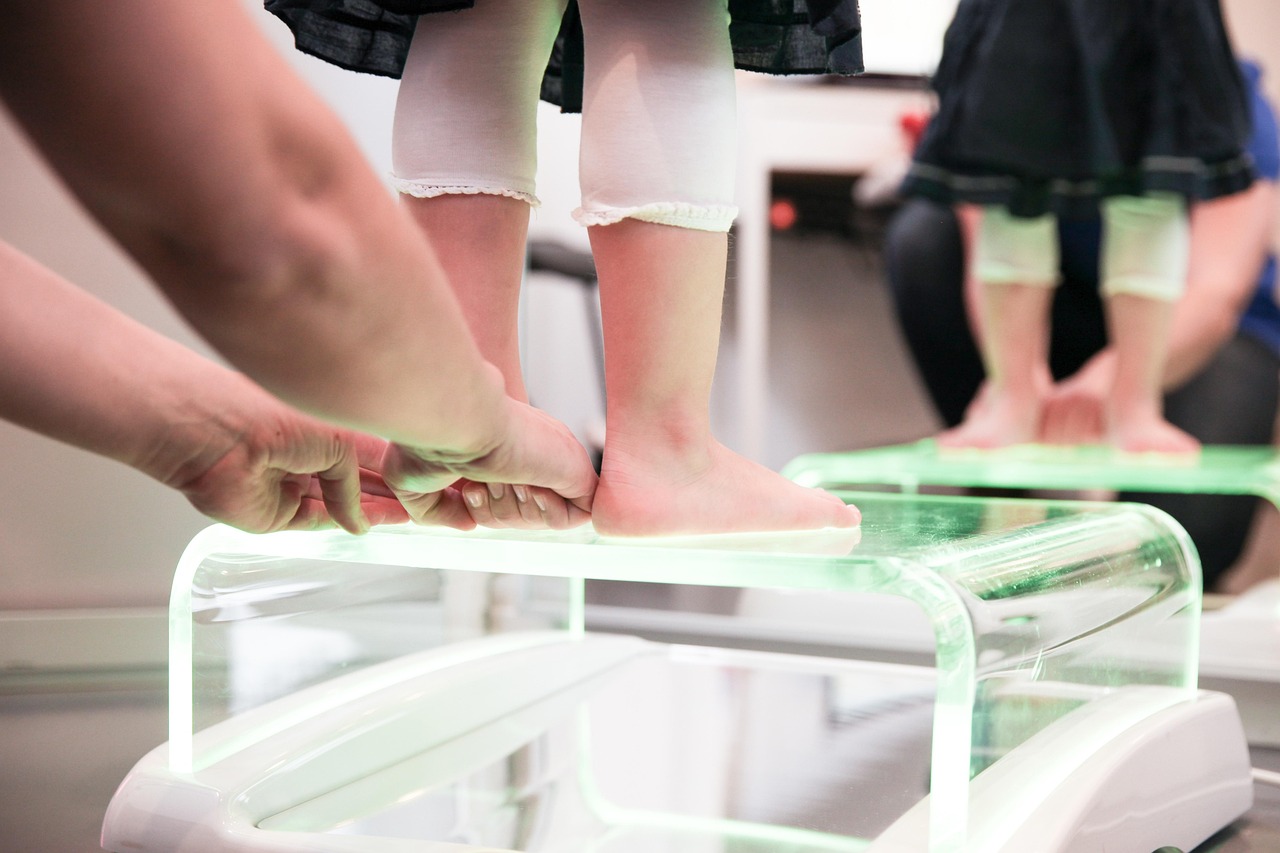

Improving Balance through Biomaterial-Based Orthotic Devices
Maintaining balance is crucial for overall mobility and quality of life. The development of biomaterial-based orthotic devices can significantly enhance balance by using innovative materials designed to adapt to individual needs. Such devices are engineered to provide specific support, thereby reducing the risk of falls. They utilize lightweight yet strong materials to ensure comfort while remaining effective. These orthotic devices help redistribute weight and improve posture, which is essential for balance. Additionally, many of these biomaterials are breathable, ensuring that users remain comfortable during extended wear. The integration of smart technology is enhancing these devices further. Sensors embedded in the orthotic devices can monitor the user’s movements in real-time. This data helps in adjusting the support based on activity levels, providing a customized experience. Research also shows that these devices can lead to better rehabilitation outcomes after injuries. By focusing on the unique biomechanical and physiological aspects of balance, advancements in orthotic technology can lead to devices that are not just supportive but transformative in restoring functionality to individuals of all ages. A comprehensive understanding of these aspects is vital for future developments.
Recent studies emphasize the importance of selecting proper biomaterials for orthotic devices aimed at improving balance. Materials such as thermoplastics, silicone, and foams are routinely used due to their unique properties. For instance, thermoplastics offer durability and are easily molded to fit individual patients’ needs. Conversely, silicone provides a comfortable, soft touch that can alleviate pressure where needed. Foams are often used for cushioning and shock absorption, which is critical for dynamic stability. Additionally, composite materials are making waves due to their outstanding strength-to-weight ratios. These combinations not only enhance performance but also extend the longevity of the devices. Furthermore, the integration of bioactive components in these materials can stimulate healing and tissue regeneration, promoting better balance recovery over time. Biocompatibility is paramount as well, ensuring that the materials do not induce adverse reactions when in contact with the skin. Ultimately, a strong synergy between material properties and user-specific requirements drives the development of effective orthotic devices. Effective biomaterial selection is a multidimensional process that encompasses various engineering principles, including mechanics, biology, and material science, culminating in transformative solutions for balance enhancement.
The Role of Smart Technology in Orthotic Devices
Smart technology is revolutionizing the orthotic industry, providing enhanced metrics for users and healthcare providers. Wearable sensors within orthotic devices can track real-time data on user activity, such as steps taken, weight distribution, and overall stability. This data allows for more personalized adjustments to be made, ensuring optimal performance. Users can receive immediate feedback through connected applications that analyze movement patterns and suggest corrective actions if necessary. For example, if a user’s balance appears compromised during daily activities, the device can alert them to pay extra attention or even suggest exercises. The integration of these technologies also opens the door for telehealth solutions, allowing physical therapists to monitor patients remotely and adjust their rehabilitation strategies effectively. This flexibility can significantly improve the recovery process and contribute to better quality of life. The use of smart materials that can adapt their shape or stiffness dynamically is a new frontier. Such advancements enable orthotic devices to not only support but also enhance user mobility. As these technologies continue to develop, we expect to see even greater improvements in balance management in various patient populations.
Biomechanics and human physiology work hand-in-hand in the design of orthotic devices intended for balance improvement. Understanding how the body moves and the forces acting upon it is fundamental for developing effective solutions. Ergonomic design focused on biomechanics ensures that the orthotic device aligns with the natural gait and movements of the user. Moreover, the incorporation of controlled flexibility within materials allows for both support and dynamic movement. This is especially critical for individuals with previous injuries or those recovering from surgeries. The ability of a device to mimic natural motion reduces muscle atrophy and improves proprioception, thereby promoting better balance. Additionally, these devices must be adjustable to account for the changes in bodily mechanics as users progress in their rehabilitation journey. Variables such as joint angles, weight shifts, and center of gravity all play a significant role during gait; hence, targeted design can minimize impacts and improve efficiency. Consistent evaluation and improvement cycles help refine these orthopedic solutions, ensuring that they meet the evolving needs of patients. Overall, the marriage of biomechanics with biomaterials fosters the creation of effective orthotic options tailored for individual balance enhancement.
Clinical Outcomes of Biomaterial-Based Orthotics
Clinical evidence supports the efficacy of biomaterial-based orthotic devices in enhancing balance among various populations. Studies have shown meaningful improvements in stability for individuals suffering from conditions like diabetes, musculoskeletal disorders, or neurological impairments. Feedback from healthcare professionals highlights that patients using these orthotics often report increased confidence in their mobility. Moreover, decreased rates of falls and related injuries have been documented, leading to improved quality of life. Patients engaging with rehabilitation programs alongside using these devices can experience accelerated recovery times and regain independence more swiftly. Regular follow-up assessments also indicate that customized interventions tailored to patients’ biomechanics result in better long-term outcomes. The importance of interdisciplinary approaches cannot be underestimated. Collaboration among orthopedic specialists, physical therapists, and materials scientists is vital in designing devices that meet clinical needs. Additionally, collecting extensive data on performance and user satisfaction plays an essential role in product improvement and validation. As research into the long-term effectiveness of these biomaterials expands, they are likely to revolutionize how balance issues are managed in clinical settings. The integration of advanced technologies within these orthotics heralds a new era in personalized healthcare.
The societal implications surrounding the development of biomaterial-based orthotic devices are profound. As populations age, the prevalence of balance-related issues is expected to rise, increasing the demand for innovative solutions. The implementation of effective orthotic devices can lead to a significant decrease in disability rates, helping seniors maintain independence longer. Furthermore, it can alleviate the burden on healthcare systems through reduced fall-related injuries, thus lowering associated treatment costs. These advancements promote active lifestyles among older adults, contributing positively to their physical and mental well-being. Enhanced mobility from these devices is not merely a matter of convenience but a gateway to preserving mental health and social engagement. Communities that advocate for inclusive designs in biomechanical devices see not only improved individual outcomes but also enriched social interactions. Educational programs about the benefits of balance-enhancing orthotics can further support community health initiatives. Public awareness campaigns can empower users to research and choose devices suited to their needs effectively. Socially and economically, the impact of effective biomaterial-based orthotic devices extends beyond the individual, fostering healthier, more active communities. Thus, investment in this area is both timely and essential.
Future Perspectives in Biomaterial Innovations
The future of biomaterial-based orthotic devices is promising, driven by continued innovation and research. Scientists are eager to explore novel materials such as biopolymers and nanomaterials that can further enhance the effectiveness of orthotic devices. These materials offer unique properties, including lightweight design and enhanced strength, which are critical for creating versatile solutions. Additionally, the potential for biodegradable materials is gaining traction, aligning with sustainability goals. The focus is not only on performance but also on eco-friendliness, reflecting the growing global emphasis on reducing medical waste. Furthermore, advancements in 3D printing technologies allow for rapid prototyping and customization of devices to meet individual needs efficiently. This will help tailor orthotics even further, ensuring an optimal fit. The integration of artificial intelligence could lead to next-generation products capable of predicting user needs and dynamically adjusting to various activities. Potential collaborations among engineers, material scientists, and healthcare professionals can pave the way for breakthrough solutions that transform current therapeutic models. As research continues to evolve, the intersection of technology and material science promises to usher in a new era of effective balance-enhancing orthotic devices, changing lives for the better.
In conclusion, the development of biomaterial-based orthotic devices presents an exciting opportunity to enhance balance and overall mobility. Through interdisciplinary collaboration and innovative material science, these devices can be tailored to individual biomechanics, resulting in improved clinical outcomes and life quality. The systematic approach to researching and refining these orthotic solutions highlights their growing importance in contemporary healthcare. With the rising need for effective balance improvement solutions, the relevance of biomaterials in orthotics cannot be overstated. The future looks bright, paved with possibilities for sophisticated technologies, user-focused design, and significant societal impact. As we continue to witness advancements, the role of biomaterials will remain crucial in fulfilling the demand for effective yet customizable orthotic devices. Embracing these innovations holds promise for not just better mobility but also a healthier population overall. As research progresses, we anticipate even more breakthroughs, which will undoubtedly enhance user experiences and outcomes. Continued investment and interest in this area can catalyze significant changes in how balance issues are addressed. Ultimately, as the technologies improve, so will the lives influenced by these remarkable biomaterial advancements.