
In-Game Adjustments for Blockers in Volleyball
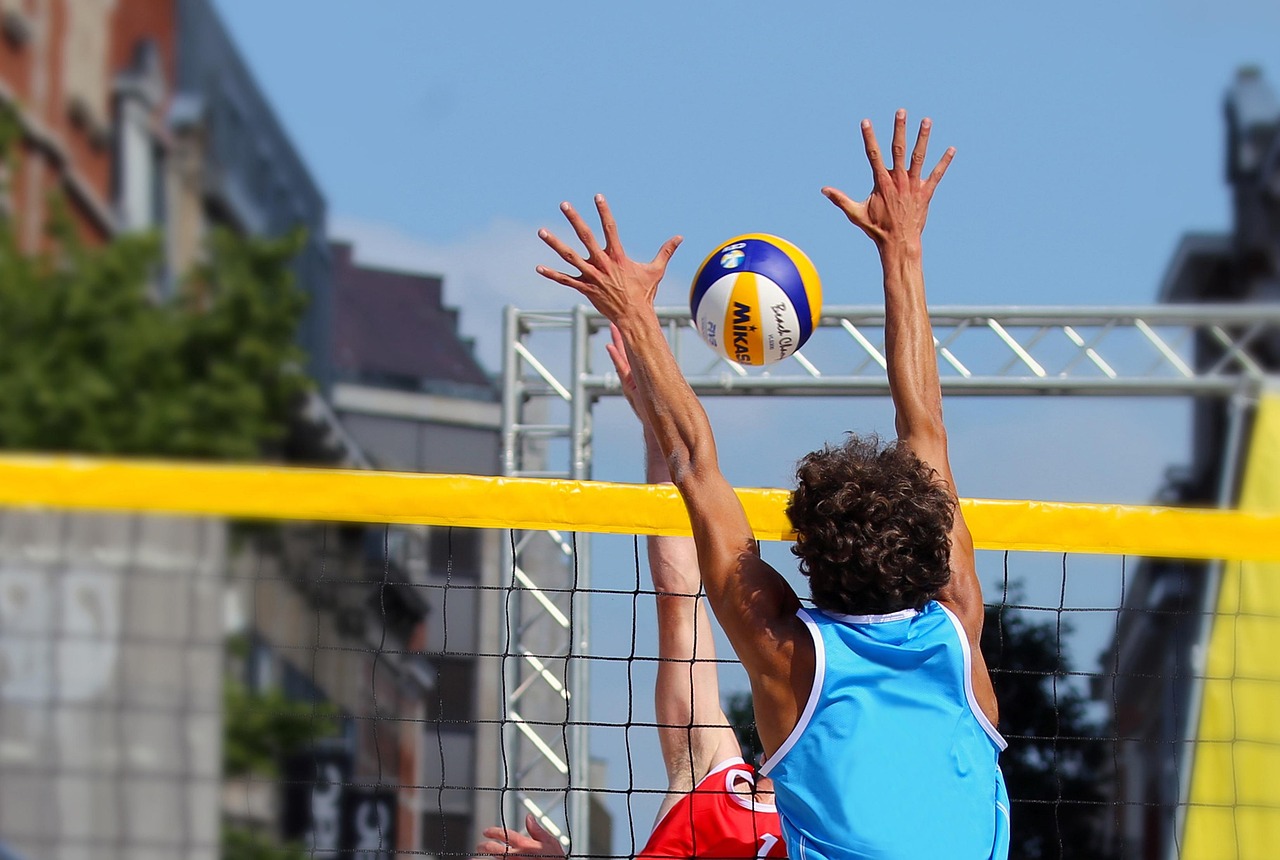
Effective blocking is a crucial part of volleyball that can significantly influence the outcome of a match. Blockers must be adaptable and responsive to various playing conditions during a game. One important adjustment involves timing. Blockers should read the setter’s movements to anticipate attacks. By recognizing the setter’s body language, blockers can position themselves accordingly. Stamina also comes into play, as fatigue can affect reactions. Therefore, maintaining physical conditioning is essential for effective in-game performance. Additionally, communication with teammates is vital. Blockers should call out plays and alert others about opponents’ tendencies. This teamwork can relieve pressure through precise executions. Furthermore, understanding the attacking player’s style is key. Each attacker may have unique approaches, making it important to analyze their preferences. The more blockers know, the better prepared they will be. Lastly, developing mental toughness is crucial. This aspect allows blockers to stay calm under pressure and make quick decisions when necessary. With these adjustments, blockers can execute more efficient defenses, ultimately improving their game and ensuring the team remains competitive.
Another vital adjustment for blockers involves positioning on the court. Proper positioning enables blockers to set themselves for maximum effectiveness against various types of attacks. The front-row position is not static; it requires constant movement and adaptation. By understanding the pattern of the opposing team’s offense, blockers can effectively position themselves to increase their chances of a successful block. They should also consider the trajectory and velocity of the ball. Depending on the angle of attack and the opponent’s technique, repositioning is necessary. Blockers must remain aware of players’ approaches, adjusting footwork and body alignment with every play. Having a strong foundation and quick reflexes is essential. Similar to any skill, practice enhances these abilities. Regular drills focusing on timing, positioning, and hand placement should be incorporated into training. Utilizing video analysis can reveal areas of improvement, allowing for specific focus during training sessions. Moreover, observing high-level games can inspire technical adjustments. Incorporating strategic timeouts can help reset focus during intense moments. Carefully planning during breaks can provide insight for future plays, ultimately benefiting team dynamics.
Improving Reaction Times
Reaction time is a fundamental skill for blockers that directly affects their effectiveness during the game. It’s essential for blockers to train specifically for quick reactions using various drills. Implementing exercises that focus on hand-eye coordination and lateral movement can enhance key response capabilities. For instance, shadowing an attacker simulates real-game situations and promotes instinctive movements. Training with reaction balls can also improve agility, ensuring that blockers remain quick on their feet. Additionally, practicing blocking timing with setters enables blockers to synchronize their movements and effectively jump as soon as the ball is contacted. Having a keen sense of anticipation further hones reaction times, making blockers better prepared for sudden changes in attack directions. Incorporating these drills into practice plans fosters an environment of improvement. Mental preparations, such as visualization techniques, can also complement physical training. Imagine scenarios that may arise during a match, allowing for better preparedness. Ultimately, enhancing reaction time contributes significantly to a blocker’s ability to perform effectively under pressure while remaining confident. Continuous practice leads to long-term improvement, contributing to the overall success of the team.
An often-overlooked element of blocking is the psychological aspect of the game. Developing a strong mental approach enables blockers to confront high-pressure situations calmly. Stress and anxiety can negatively impact performance, making mental resilience crucial. Techniques such as mindfulness and stress management strategies can help maintain focus. Creating pre-match routines can cultivate an athlete’s mental readiness and confidence. Positive self-talk during the game reinforces a blocker’s mindset, enabling them to remain composed after every play. Moreover, the right mindset instills the belief in one’s abilities, which can lead to better performance. Reflecting on past successes can also bolster confidence, serving as motivation during challenging periods. A supportive team atmosphere promotes mental toughness, allowing players to lean on one another during critical moments. Coaches should encourage open discussions about performance challenges to nurture this psychological resilience. By addressing the mental dimension of performance, blockers can pave the way to their enhanced capabilities during competitive play. Ultimately, combining psychological training with physical skills creates well-rounded athletes who excel in demanding environments. Encouraging these practices prepares blockers for various challenges during matches.
Utilizing Film Analysis
Film analysis is an effective tool for enhancing blocking techniques during volleyball games. Reviewing match footage allows athletes to observe their performance in detail, pinpointing specific areas needing improvement. By watching themselves and their opponents, blockers can gain valuable insights into their tendencies and strategies. Analyzing various angles of their movements can open pathways for technique refinement. Identifying effective blocking angles and timing can lead to improved performance. Coaches can facilitate discussions on strategies visible through video evidence, helping to foster collaborative learning amongst team members. Sharing these insights can enhance team dynamics while promoting greater efficiency during games. Additionally, blockers can analyze opposing teams to uncover their strategies, spotting their weaknesses. This awareness is crucial for adjusting their game plan accordingly. Establishing a consistent routine for reviewing footage after matches encourages accountability and commitment to improvement. Furthermore, integrating feedback from teammates and coaches solidifies a stronger comprehension of blocking strategies. As blockers become more familiar with their habits, they grow into more well-rounded players capable of executing complex strategies during matches. By maximizing technology in training, blockers can significantly elevate their performance on the court.
Finally, adapting blocking strategies throughout a match is essential for effective defense. Sticking to a rigid plan can lead to predictable outcomes, allowing opposing teams to exploit weaknesses easily. Blockers need to constantly reassess and update their strategies based on the game flow. For example, if a specific attacker repeatedly scores, it’s essential to adjust and anticipate their move. Employing varied techniques can also keep attackers guessing. Using different blocking formations can disrupt the rhythm of the opposite team. Training should include various scenarios to prepare blockers for unpredictable situations. Flexibility in strategy allows blockers to capitalize on opportunities they observe during the match. Teammates also play a critical role in adjustments; continuous communication helps to strategize effectively. By maintaining cohesion between teammates, blockers can work together to bolster their defensive strategies. Additionally, recognizing the right moments to utilize technical skills, set plays, or risky strategies paves the path for success. Continuous training helps reinforce the importance of this adaptability. Ultimately, skilled blockers should learn to navigate dynamic game scenarios, effectively enhancing their contributions to their team’s success.
In conclusion, mastering in-game adjustments is fundamental for volleyball blockers aiming to enhance their performance. Technical skills alone cannot guarantee success; a comprehensive approach incorporating physical, mental, and strategic components is required. Blockers should focus on timing, positioning, and reaction improvements to succeed. Additionally, psychological resilience and adaptability play pivotal roles during matches. Utilizing modern tools like film analysis can also elevate performance by offering critical insights. Consistent communication with teammates fosters collaboration and teamwork, essential for a cohesive defense. Aside from physical preparation and training, attention to mental readiness can give blockers an edge in high-pressure situations. By developing varied strategies and understanding opponents intimately, blockers can adjust accordingly to counteract different styles of attack. Training routines should encompass both technical and psychological aspects to cultivate holistic development. With diligence, practice, and an open mindset, blockers can grow into formidable defenders on the court. Ultimately, well-rounded blockers will enhance team dynamics that elevate overall performance, ensuring success for everyone involved. As volleyball evolves, focusing on these aspects of blocking will increasingly determine the difference between victory and defeat.
In conclusion, mastering in-game adjustments is fundamental for volleyball blockers aiming to enhance their performance. Technical skills alone cannot guarantee success; a comprehensive approach incorporating physical, mental, and strategic components is required. Blockers should focus on timing, positioning, and reaction improvements to succeed. Additionally, psychological resilience and adaptability play pivotal roles during matches. Utilizing modern tools like film analysis can also elevate performance by offering critical insights. Consistent communication with teammates fosters collaboration and teamwork, essential for a cohesive defense. Aside from physical preparation and training, attention to mental readiness can give blockers an edge in high-pressure situations. By developing varied strategies and understanding opponents intimately, blockers can adjust accordingly to counteract different styles of attack. Training routines should encompass both technical and psychological aspects to cultivate holistic development. With diligence, practice, and an open mindset, blockers can grow into formidable defenders on the court. Ultimately, well-rounded blockers will enhance team dynamics that elevate overall performance, ensuring success for everyone involved. As volleyball evolves, focusing on these aspects of blocking will increasingly determine the difference between victory and defeat.