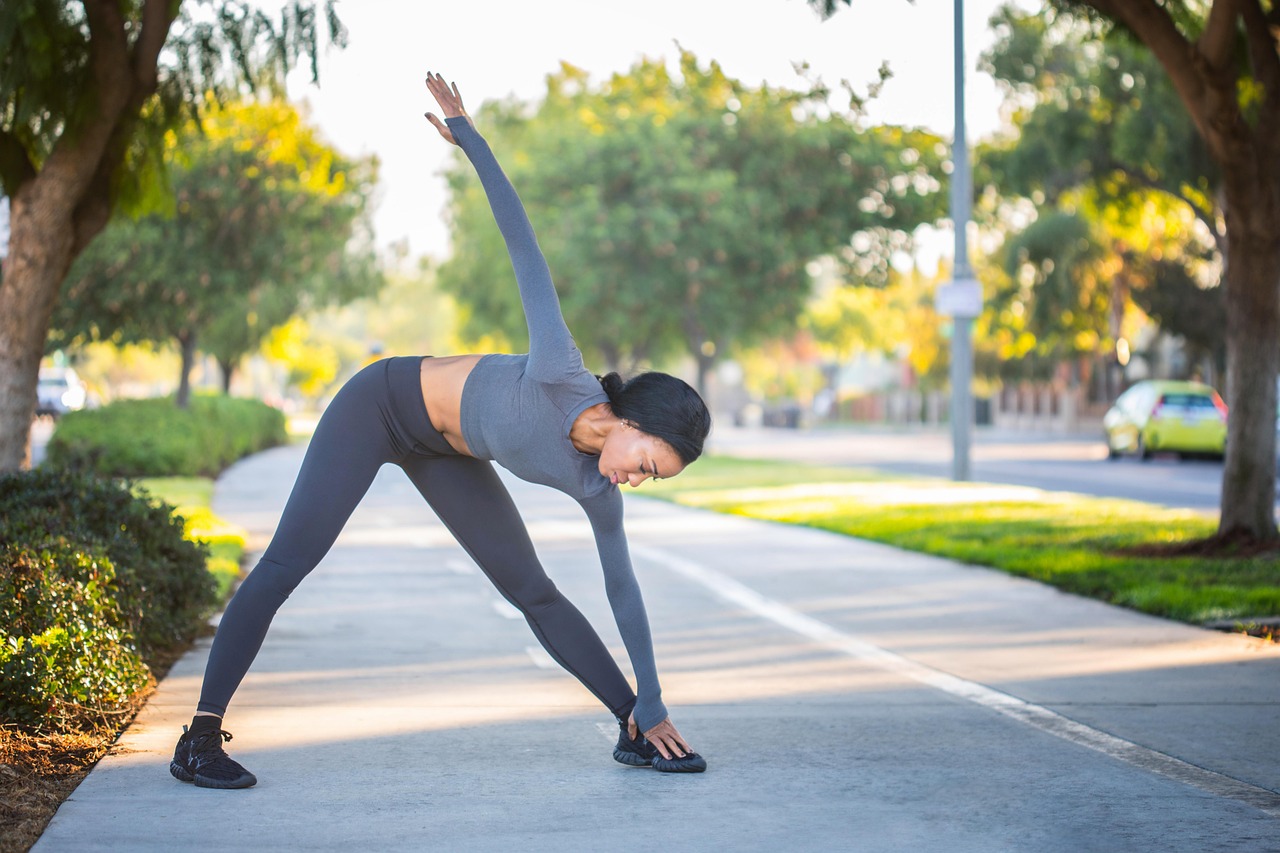

Key Stretching Exercises
Prior to embarking on a trail run, incorporating a well-structured stretching routine is crucial for optimal performance. Stretching helps enhance flexibility, improve the range of motion, and diminish the risk of injuries. Focus on major muscle groups used during running like the calves, hamstrings, quadriceps, and hip flexors. Incorporate dynamic stretches, such as walking lunges and leg swings, which prepare your muscles for the upcoming physical exertion. These movements not only warm your muscles but also activate the joints and enhance blood circulation. Balance static and dynamic stretches in your warm-up. Remember to hold static stretches, like toe touches, for at least 15-30 seconds after your run to assist muscle recovery. Always listen to your body’s signals and ensure not to push yourself too far into a comfortable stretch. Incorporating these stretching techniques, along with proper hydration, will ensure a successful trail running experience. In addition, strengthening your core muscles through specific exercises can provide better stability during uneven terrains. This boost in muscle control is vital for maintaining an effective running form throughout your adventure.
Calf Stretching Techniques
The calves play a significant role during trail running, absorbing shock and propelling your body forward. Adequate stretching of your calves is essential to avoid tightness, which can limit performance and lead to injuries. One effective stretch is the standing calf stretch. Stand facing a wall, place your hands on it, and step back one foot, keeping it straight while bending the front knee. This should create a gentle stretch in your back leg’s calf area. Hold that position for about 15-30 seconds, then switch to the opposite leg. Another effective stretch is the downward dog position from yoga. Position yourself on your hands and knees, then raise your hips towards the sky, forming an inverted V shape. Actively push your heels toward the ground to engage your calf muscles. Repeat these stretches two to three times per leg before and after your runs. A consistent routine will not only enhance flexibility but also improve your overall trail running experience. Ensure you engage your core during stretches to provide stability, which will benefit your performance throughout your run.
Hamstring and Quadriceps Stretches
The hamstrings and quadriceps are vital for maintaining strength during trail running. A proper stretching routine can contribute to their flexibility and resilience against injuries. Start with the standing quad stretch: stand tall and grab your ankle, pulling your heel towards your glutes. Ensure your knees remain together and hold for 15-30 seconds. Follow it up with a seated hamstring stretch; sit down with one leg extended and the other bent. Reach towards the toes of your extended leg to engage your hamstrings. This can prevent strains and promote blood flow in preparation for your run. It’s best to perform these stretches both pre and post-run. Incorporate the figure-four stretch on your back as it targets both the glutes and the hamstrings simultaneously. Lying on your back, place one ankle over the opposite knee, and gently pull the lower knee toward you. Holding these postures helps mitigate tightness during runs. Over time, you will notice not only an increase in flexibility but overall lower body strength, allowing you to tackle those challenging trails effectively.
Hip Flexor and Glute Stretches
The hip flexors and glutes are crucial for maintaining a strong running form, especially on hilly or uneven trails. Focusing on stretching these areas can enhance your stride length and reduce fatigue. Start with a kneeling hip flexor stretch: position yourself in a lunge, lower your hip toward the ground, and feel the stretch in the front hip. This helps release any tightness from long periods of sitting or running uphill. Hold for 20-30 seconds on each side. A glute stretch is equally important; perform a seated figure-four stretch by placing one ankle on the opposite knee and gently pushing down on the raised knee. This might seem simple but is highly effective. Another excellent option is the pigeon pose, where one leg is bent beneath the body while the other remains extended back. Holding these positions can improve flexibility, enhance posture, and optimize your running form. To sum up, adding hip flexor and glute stretches will significantly impact your trail running efficiency and overall performance, keeping you injury-free and ready for any trail challenges.
Dynamic Movements for Warm-Up
Dynamic stretches are essential before any run as they prepare your body for physical activity and make it more efficient. They increase heart rate, warmth in the muscles, and improve blood flow. A popular dynamic movement is the high-knee drill, where you march forward, lifting knees towards your chest while maintaining an upright posture. This exercise encourages hip mobility and strengthens major running muscles. Another beneficial dynamic movement is butt kicks; as you jog lightly, kick heels towards your glutes, stimulating your hamstrings and activating those muscles appropriately. Also try walking lunges, which engage different muscle groups, improving flexibility. Step forward into a lunge, squat down until the back knee almost touches the ground, then alternate legs. This method can enhance coordination and balance essential for transitioning over uneven terrains. Lastly, try leg swings. Standing beside a wall, swing one leg forward and backward to increase mobility and range of motion in the hips. Incorporate these movements as part of your pre-run routine, keeping your body energized and ready to tackle challenging trails with confidence.
Post-Run Stretching for Recovery
Post-run stretching is as important as pre-run stretches; it aids in recovery and reduces muscle soreness after trail running. Focus initially on static stretching to maintain flexibility and prevent stiffness in muscles. Incorporate the standing hamstring stretch: stand tall, bend at the hips, and try to reach your toes while keeping legs straight, feeling the stretch along your hamstrings. Hold this position for 30 seconds, and repeat two or three times. An essential stretch is the butterfly stretch; sit on the ground with the soles of your feet together and gently push your knees down to increase hip flexibility. Spend 20-30 seconds in that position. The seated forward fold stretches your spine and hamstrings simultaneously, contributing to overall relaxation. Remember also to hydrate after running; this aids in recovery. Incorporating stretches like this into your post-run routine can ensure you maintain mobility and flexibility. Additionally, utilizing foam rollers on tight areas can provide added relief, promoting blood circulation to help with muscle recovery. Prioritizing these aspects will significantly contribute to your long-term trail running success.
Conclusion: Make Stretching a Habit
In conclusion, developing a consistent stretching routine is essential for any trail runner. Engaging in various dynamic and static stretches before and after running can enhance flexibility, improve performance, and reduce injury risk significantly. Dedicate at least 10-15 minutes to your warm-up and cool-down routines; incorporate calf, hamstring, quadriceps, hip flexor, and glute stretches to ensure all essential muscle groups are addressed. Emphasize proper techniques while stretching; listen to your body to avoid overstretching or discomfort. Consistency is key; integrate stretching into your training regimen to experience the benefits, including improved performance and endurance on trails. Assure hydration levels remain optimal throughout your runs, ensuring effective blood circulation to the muscles. As you become acquainted with these practices, they will transform into beneficial habits that support your trail running goals. Equip yourself with the necessary knowledge and tools to combat tightness and soreness. Explore trails confidently, increasing your personal best times while enjoying the experience. Always prioritize your body’s needs and adjust your routine according to feedback from your muscles, ensuring longevity in your trail running journey.