
Popular Functional Training Discussion Topics
Functional training has gained widespread popularity among fitness enthusiasts, emphasizing exercises that improve daily life activities. Within the functional training community, enthusiasts engage in discussions about various topics that enhance their workouts. Common discussion points include the importance of mobility, the role of strength training, and the value of core stability. Members often share personal experiences and inquire about the best practices to adopt. Nutrition is another significant topic where forums explode with information on dietary needs and timings. Lists of community-recommended supplements and protein sources frequently circulate, ensuring everyone maximizes their training effectiveness. Furthermore, individual assessment leads to tailored approaches for unique fitness levels, transitioning from beginner to advanced workouts. Community-driven challenges like 30-day fitness challenges facilitate camaraderie, motivating individuals to push beyond limits. Another engaging trend includes adaptations in functional training for older adults, focusing on fall prevention and mobility. All these topics create a rich tapestry of knowledge within the functional training community, helping participants integrate functional training into their lives efficiently. Discussion topics not only provide insights but also foster relationships among individuals with shared fitness goals, creating a supportive network.
Techniques and Methods in Functional Training
Another focal area of discussion in functional training forums is the exploration of various techniques and methods that enhance workout effectiveness. Many practitioners advocate for a combination of bodyweight exercises, resistance training, and dynamic movements that mimic daily activities. Techniques like kettlebell swings and medicine ball throws frequently spark debates about proper form and progression. Additionally, the importance of stability and balance training garners attention, as many users seek tips on integrating stability balls, balance boards, and other equipment into their routines. Effective programming is another critical discussion point, where experienced trainers share insights on periodization and how to structure workouts to prevent plateaus. Workouts often vary based on goals such as fat loss, muscle gain, or improved athletic performance. The debates extend into how to combine strength and cardio effectively within functional training. Incorporating interval training is a popular method that many in the community discuss, as it yields great results. These discussions not only provide valuable insights but also inspire participants to try new methods, keeping their workouts diverse and effective over time.
Team sports and group training formats have surged in popularity, leading to discussions on their role in functional training. Many enthusiasts advocate for the benefits of group workouts, emphasizing community support and accountability. In various forums, users share experiences on functional training classes and sports-based activities that engage multiple muscle groups. Team challenges provide a playful aspect, encouraging participants to collaborate while improving their fitness levels. Another point of discussion lies in the effectiveness of competitive environments in fostering motivation. People report a significant boost when training alongside others who share similar goals. Questions frequently arise regarding how to structure team sessions, addressing aspects like coordination, skill training, and competition. Considerations on injury prevention during high-intensity group activities also receive attention, with members comparing notes on their experiences. The diverse backgrounds of individuals in team sports create rich conversations around adaptability in functional training. Participants make recommendations on group exercises, suitable for various skill levels. As these discussions unfold, members form networks and friendships, enhancing their commitment to fitness while enjoying the social aspect of training together.
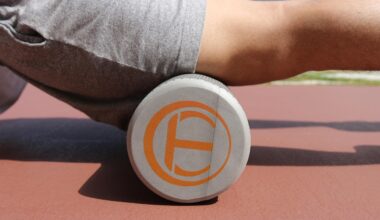
Recovery methods represent another hot topic within the functional training community, with professionals and enthusiasts alike exchanging tips to optimize recovery post-workout. The necessity of allowing the body to recuperate cannot be overstated, affecting overall fitness far more than many realize. Various techniques discussed include stretching routines, foam rolling, and massage therapy. Users often share their experiences with different recovery modalities such as cold baths and contrast therapy, drawing contrasts about effectiveness and personal preferences. Nutritional recovery strategies are critically assessed, with community members discussing post-workout supplementation and hydration practices. Sleep and its vital role in recovery are also significant focuses, as participants openly discuss sleep hygiene tips that promote better rest. Growing interest surrounds mindfulness practices including meditation and breathing exercises, which users report as beneficial for overall wellness and stress reduction. As forums buzz with insights into recovery, members are equipped with tools to tailor their recovery regimen effectively. Creating a strong advocacy for recovery only strengthens the foundation of functional training, proving that a balanced approach yields long-lasting results and minimizes injury risk for dedicated athletes.
Injury Prevention and Safety in Training
Injury prevention stands at the forefront of discussions within functional training, ensuring participants train safely and effectively. A wealth of information circulates around common injuries related to functional exercises, including sprains and tendonitis. Enthusiasts often share their strategies for preventing these issues, ranging from proper warm-up routines to dedicated mobility work. Discussions about form and technique further deepen this topic, with members advising on the importance of maintaining body alignment during exercises. Moreover, many forums delve into the necessity of listening to one’s body, noting how pushing through pain can lead to more severe injuries. Users often exchange tips on how to identify early signs of overtraining and how to adjust their routines accordingly, fostering a culture of safety around functional training. Mental preparation and awareness also emerge as vital aspects in injury prevention discussions. People highlight the benefits of cultivating a strong mental connection to their movements, enhancing performance while safeguarding against injury. Emphasizing injury prevention not only informs but also empowers community members to prioritize their well-being throughout their fitness journeys.
As the functional training community continues to grow and develop, the topic of program customization surfaces, emphasizing the importance of tailoring workouts to individual needs. Community members are eager to share personal experiences, helping others understand how to create effective training plans that align with their unique goals. Discussions often include assessing starting points, pinpointing strengths, and addressing weaknesses. Users exchange methods for self-assessment and provide recommendations on how to measure progress from week to week. The conversation extends to the balance between flexibility and structure within a program, with members seeking guidance on how to remain adaptable while ensuring consistency. Incorporating feedback loops into workout regimes surfaces as a useful approach, enabling individuals to tweak plans based on results and personal feelings. As these discussions flourish, it becomes clear that sharing knowledge around program customization not only uplifts participants in their journeys but also fosters personal responsibility in the realm of fitness. Community members find inspiration in each other’s successes, cultivating a proactive environment for sharing tips on evolving training programs beyond rigid templates.
The Role of Technology in Functional Training
With technological advancements, discussions about gadgets and apps that support functional training have become increasingly common. Community members discuss various fitness applications that track exercises, nutrition, and progress, allowing users to stay motivated and accountable. Recommendations for fitness trackers often pop up in forums, with users sharing their experiences with different brands and models. Smartphone applications that offer guided workouts have gained popularity, providing instructional videos that enhance proper technique in real-time. Technology also allows individuals to connect with trainers remotely, fostering personalized training experiences from virtually anywhere. Moreover, social media platforms play a big role in the sharing of functional training knowledge, where users frequently post workouts and transformations that inspire others. The use of wearable technology to monitor heart rates during training sessions represents an emerging topic, allowing individuals to tailor their intensity levels. As community members navigate this tech-savvy world of functional training, they empower one another to embrace tools that enhance their fitness journeys and promote optimal results. Ultimately, the integration of technology fosters engagement, increase accountability, and provides valuable resources that keep participants informed in their quest for enhanced fitness.
In conclusion, active participation in the functional training community allows individuals to grow positively in their fitness journeys. Members enjoy a wealth of discussion topics, ranging from training techniques to recovery strategies and injury prevention. Engaging with others eager to learn creates an environment where knowledge is exchanged freely, helping to demystify various aspects of functional training. The sense of community built around these discussions nurtures motivation and accountability, allowing participants to strive for their goals collectively. As users adapt and share experiences, collective growth flourishes, transforming personal fitness into a shared adventure. The supportive nature of these forums enables new members to feel welcomed while encouraging experienced individuals to offer guidance. Connection becomes integral, enhancing the sense of belonging among fitness enthusiasts. As functional training continues to evolve, the community will remain a key player in encouraging best practices. Participants will undoubtedly continue to exchange insights, making the world of functional training an enriching and empowering journey for everyone involved. Such discussions exemplify the strength of collaboration and friendship formed through shared goals, showing how unity can amplify individual efforts for success.