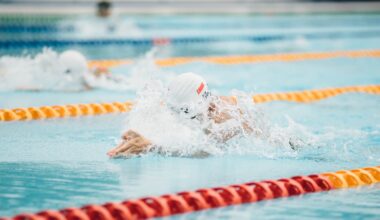

The Impact of High Temperatures on Athletic Hydration Needs
The summer heat presents significant hydration challenges for athletes. As temperatures rise, the body’s need for fluids increases substantially. Sweating helps regulate body temperature but causes noticeable fluid loss, which can lead to dehydration if not adequately addressed. When engaging in strenuous physical activity in hot weather, athletes must be aware of their hydration status. Dehydration can impair performance, leading to fatigue and decreased endurance. Maintaining proper hydration levels should be a primary focus during training and competition. To combat dehydration, athletes must develop personalized hydration strategies tailored to their specific needs and training intensity. Recognizing the signs of dehydration is crucial for ensuring optimal performance, as symptoms may include dizziness, dark urine, and headache. Athletes are encouraged to monitor their fluid intake before, during, and after exercise. It is essential to select fluids that not only replenish water but also provide electrolytes, which are lost through sweat. By planning hydration routines effectively, athletes can mitigate the effects of heat and maintain peak performance levels, ensuring a safe and productive training experience in increased temperatures.
Hydration strategies should be tailored for individual needs, accounting for variations in body size, metabolism, and exercise intensity. Each athlete has unique requirements, influenced by factors such as climate, sweat rate, and duration of physical activity. It is essential to determine personal hydration benchmarks through a combination of trial and error during training. To assess hydration levels, self-checking through urine color or weight changes can provide insights. An effective hydration strategy may include a standard fluid intake plan, increased water consumption before workouts, or tailored electrolyte drinks designed to replenish lost salts. Conducting fluid intake assessments can prove beneficial, allowing athletes to adjust their hydration strategies in real time, ensuring optimal fluid balance throughout training sessions. Athletes should aim to develop a consistent routine of fluid intake, which will help condition their bodies to better manage hydration needs during competitive events. Pairing water with salty snacks can provide necessary electrolytes and enhance rehydration. By understanding their hydration strategy better, athletes can stay ahead of their hydration challenges even when faced with extreme high temperatures, ultimately enhancing overall performance and well-being while competing or training in the heat.
Recognizing Signs of Dehydration
Identifying the signs of dehydration is vital for athletes, especially during hot weather. Brain functions can suffer major impairment due to dehydration, leading to poor decision-making and decreased focus. Early signs may include thirst and dry mouth, often overshadowed by the adrenaline of athletic competition. Athletes might disregard these symptoms until they escalate into more severe conditions such as heat cramps, heat exhaustion, or even heat stroke. Recognizing subtle indicators early on enables athletes to take quick action before dehydration worsens. Monitoring hydration by checking urine color can be effective; well-hydrated individuals usually have light yellow urine. Other symptoms to watch for include muscle cramps, a rapid heart rate, and palpitations. If these symptoms occur, athletes must take immediate steps to rehydrate. Pausing for hydration breaks, particularly in high temperatures, can help replenish fluids lost during exertion. Educating oneself on the risks associated with dehydration can foster better management of hydration practices. Keeping a clear understanding of the importance of hydration can create a safer environment for athletes facing extreme conditions during competitions and rigorous training sessions leading to more positive outcomes in their performance.
Heat acclimatization is critical for athletes undertaking prolonged physical activities in high temperatures. Acclimatization occurs when the body adapts to heat stress, enhancing performance and reducing the risk of heat-related illnesses. This process can take approximately 10-14 days, during which individuals should gradually increase training intensity and duration in hot conditions. As an athlete becomes more acclimatized, they experience changes in sweat rate and fluid loss, which can help mitigate dehydration risks. It is vital to engage in exposure exercises focusing on both aerobic and anaerobic activities to ensure full acclimatization. Periodic hydration assessments help determine individual requirements, emphasizing the importance of maintaining optimal hydration levels throughout the acclimatization process. Implementing cooling techniques before, during, and after training sessions can further enhance performance by regulating core temperature. Some methods may include wearing cooling vests or soaking in cool water to promote recovery. Remaining consistent with hydration practices is paramount, ensuring that athletes perform optimally while navigating harsh weather conditions. Ultimately, heat acclimatization prepares athletes for the reality of competing in extreme temperatures while promoting health and safety during intense physical exertion.
Customized Hydration Solutions
Creating customized hydration solutions can greatly benefit athletes exposed to high temperatures. Pre-packaged sports drinks may not meet the specific needs of every individual, necessitating personalized approaches to hydration. Developing a tailored hydration plan can enhance athlete performance and overall health. This plan may involve experimenting with various fluids, determining ideal electrolyte levels, and calculating proper fluid replacement amounts. A good strategy can include a combination of both water and electrolyte solutions that best serve an athlete’s unique requirements, particularly after engaging in intense training sessions or competitions in the heat. Fluid consumption strategies should also consider the types of activities performed, ensuring adequate replenishment during exercises. Moreover, focusing on hydration education allows athletes to understand how to improve their intake of hydrating foods like fruits and vegetables, which may provide additional fluid sources. Engaging with a sports nutritionist can be beneficial for athletes designing their hydration plans. Ultimately, creating customized solutions not only improves performance but may lessen the risk of dehydration, ensuring athletes remain heated while training or competing in extreme weather conditions, thus promoting peak performance and enhancing longevity within their sports careers.
Recovery hydration plays a crucial role after intense training or competition sessions, especially during hot weather. During recovery, the body needs to replace lost fluids, minerals, and electrolytes, which are essential for muscle repair and replenishing energy stores. Drinking fluids post-exercise helps initiate the recovery process and mitigate dehydration effects when combined with nutrient-rich foods. For effective replenishment, athletes should consume a combination of water and electrolyte-based beverages following their activities. Monitoring urine color is an excellent indicator of recovery hydration; a well-hydrated individual should see light-colored urine within a few hours post-exercise. Moreover, consuming foods high in antioxidants may further aid recovery, reducing inflammation while supplementing fluid intake. Timing is essential; athletes should rehydrate steadily over several hours post-exercise rather than rushing for immediate replenishment. This approach ensures effective absorption by the body. Athletes must prioritize recovery hydration as part of their overall hydration strategies, making it a vital aspect of their training regimen. By focusing on proper recovery hydration, athletes can optimize their readiness for subsequent training sessions or competitions while minimizing the adverse effects of dehydration, allowing for sustained athletic performance.
Final Thoughts on Hydration Needs
In conclusion, awareness of hydration strategies is paramount for athletes competing or training in high temperatures. Developing a comprehensive understanding of individual hydration needs is vital for maintaining performance and avoiding dehydration challenges. By recognizing early signs of dehydration, athletes can implement timely interventions to prevent adverse effects on their health and performance. Establishing customized hydration plans that include adequate fluid intake before, during, and after physical activities ensures optimal hydration levels are maintained. Integration of electrolyte solutions, regular assessments of hydration status, and thoughtful recovery hydration practices will empower athletes to cope with heat stress effectively. Emphasizing the importance of hydration not only supports athletic performance but also fosters long-term health and wellness. Educating athletes about hydration challenges and strategies can greatly contribute to their success. Ultimately, staying proactive in hydration management can yield significant benefits, leading to enhanced performance results during high-temperature events. Prioritizing hydration efforts will support athletes in achieving their goals, paving the way for successful careers in various sports while addressing the challenges posed by hot weather conditions.
Understanding the importance of hydration can foster overall health and wellness among athletes, allowing them to perform at peak levels. Awareness and education related to hydration challenges should be ingrained in an athlete’s training regimen. Addressing hydration early and effectively can lead to better performance outcomes, overall well-being, and longevity in sports. The application of these strategies will allow athletes to prepare adequately for conditions that lead to challenges in hydration, enabling improved conditions for success despite external heat factors. Continuous learning regarding hydration strategies will prove fruitful, as it can be adapted according to individual needs, routine assessments, and evolving conditions under which they train or compete, especially in hot weather. Creating a culture that values hydration and its importance can ensure athletes consistently make decisions best suited for their performance. Through informed practices, hydration can transform from a neglected afterthought into a foundational pillar for athletic success. By addressing hydration strategies comprehensively, athletes can not only enhance short-term performance but also cultivate a sustainable approach to health and physical excellence in their respective sports.