
Using Foam Rollers to Enhance Recovery in Tennis Pre-Season
Preparing for a successful tennis season requires physical conditioning aimed at enhancing both performance and recovery. Foam rolling is an effective strategy used by athletes to alleviate muscle soreness and promote optimal recovery. This technique works by applying pressure to specific areas of the body, helping to release tension in the muscles and improve blood circulation. Consequently, tennis players can effectively reduce muscle tightness and enhance flexibility, crucial for agility on the court. Starting your pre-season with regular foam rolling can help lay the groundwork for superior athletic performance and injury prevention.
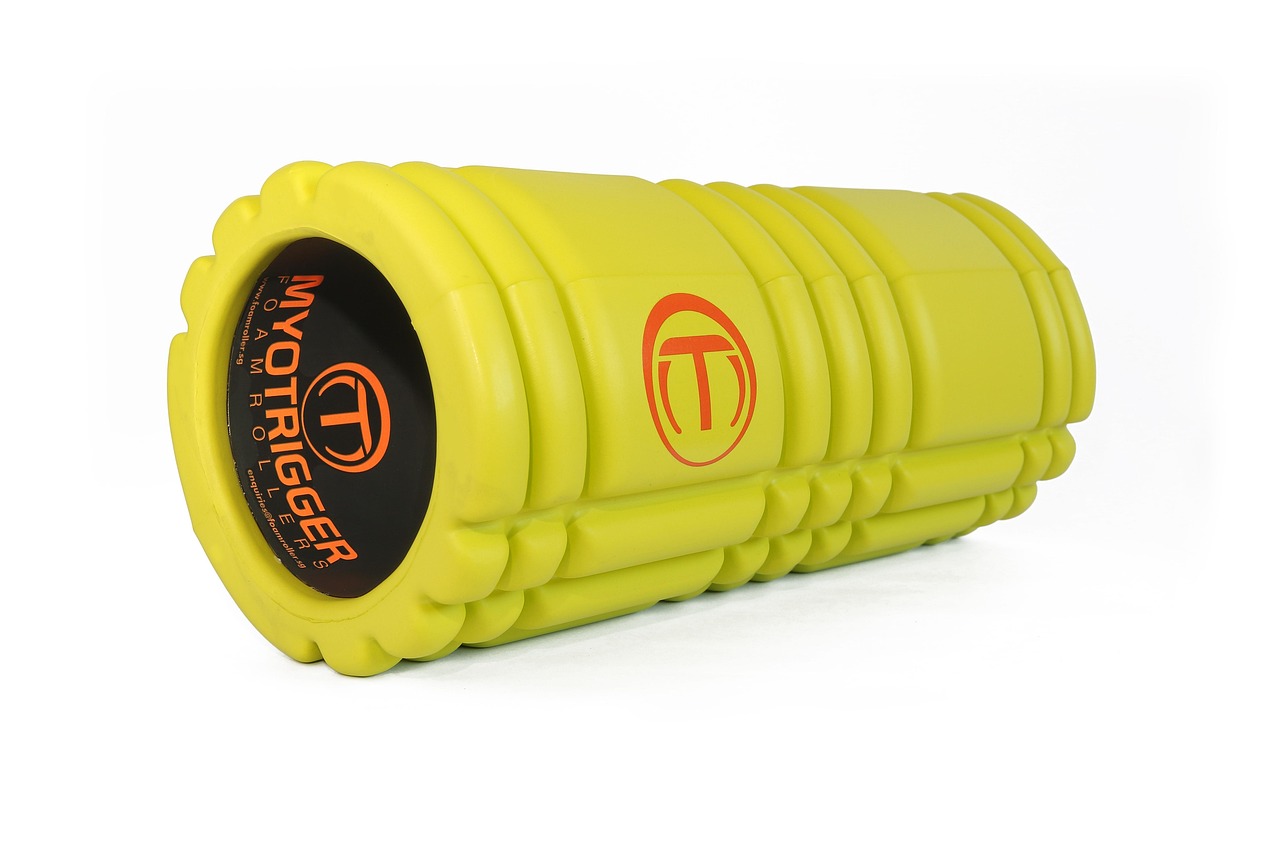
Foam rollers come in different shapes and densities, each offering unique benefits to tennis players. For example, softer rollers may be appropriate for beginners or those with sensitive muscles, while firmer options can help target deeper muscle knots. The primary goal of using foam rollers is to perform self-myofascial release, which helps break up muscle adhesions and improve range of motion. Regular incorporation of foam rolling into pre-season routines aids in muscle recovery and prepares the body for demanding training sessions. Even a 10-15 minute session can yield considerable benefits, allowing players to maintain optimal performance levels throughout the season.
The Physiological Benefits of Foam Rolling
Engaging in foam rolling has numerous physiological benefits specifically advantageous for tennis players. Firstly, the pressure applied during rolling activates muscle spindles, enhancing flexibility and muscle function. Foam rolling also increases tissue temperature, which can enhance muscle performance and readiness. Moreover, it enhances blood flow and nutrient delivery to the muscles, accelerating recovery. This process is particularly beneficial during the pre-season phase when athletes are increasing their physical workload. By promoting faster muscle recovery, foam rollers allow athletes to return to training quickly, ready to perform at their best levels.
For effective foam rolling, it is essential to target specific areas commonly stressed during tennis. These include the quadriceps, hamstrings, glutes, calves, and back. Rolling over these muscle groups helps release tension and can prevent injuries caused by muscle tightness. Additionally, incorporating proper techniques when using the foam roller is crucial. Ideally, players should roll slowly over each targeted muscle group, pausing at any tight spots for at least 30 seconds. This method promotes muscle relaxation and ensures that players reap the maximum benefits of their foam rolling sessions, ultimately enhancing their overall performance.
Techniques for Effective Foam Rolling
To best utilize foam rollers, tennis players should adhere to specific techniques that maximize their benefits. When rolling out the quadriceps, players should lie face down and position the roller under one thigh, using their arms for support. Gradually moving back and forth will help release tightness. For the hamstrings, sitting on the floor with the roller beneath one leg and rolling towards the knees is effective. Glute rolling can be performed by sitting with one leg crossed over the opposite knee, placing the roller underneath the glute and rolling to alleviate tension. These methods ensure thorough coverage of each muscle group.
It’s also important to combine foam rolling with proper hydration and nutrition. Staying well-hydrated allows for optimal muscle function and recovery, complementing the benefits achieved through foam rolling. Additionally, incorporating protein-rich snacks post-workout can speed up muscle recovery. Tennis players should aim to include foam rolling in their overall training regimen, recognizing its importance for injury prevention. Regularly utilizing foam rollers can become an integral part of a player’s fitness routine. This strategy ensures players can maintain consistent performance levels while minimizing downtime due to injuries or muscle soreness during the pre-season phase.
Conclusion
Foam rolling should be viewed as a vital component of pre-season conditioning in tennis. This accessible and easy-to-use tool empowers athletes to enhance their recovery process, prevent injuries, and improve overall performance. By prioritizing foam rolling alongside traditional workout routines, players can ensure their bodies are well-prepared for the rigorous demands of the sport. As tennis season approaches, incorporating foam rollers into warm-up and cool-down routines could make a significant difference in optimizing performance levels. The benefits of foam rolling, when consistently practiced, will contribute to a successful and injury-free tennis season.
Overall, embracing foam rolling as part of pre-season training can greatly impact recovery and athletic performance. Whether beginners or seasoned professionals, all tennis players can benefit from his technique as it enhances muscle recovery and ensures players remain on the court. Looking forward to the upcoming season with a comprehensive fitness regime, including foam rolling can lead to achieving athletic goals more efficiently. With just a few minutes dedicated to foam rolling before and after each training session, players can reduce muscle soreness and improve flexibility, ultimately making this an indispensable tool for any serious tennis player.