
Combining Cardiovascular and Balance Training for Overall Fitness
Combining cardiovascular exercise with balance training serves as a holistic approach to fitness, enhancing both overall health and functionality. Cardiovascular activities such as running, cycling, and swimming significantly improve heart health, endurance, and stamina. Balance and stability exercises, including yoga and core stabilization, enhance body control, reduce the risk of falls, and improve athletic performance. Engaging in a regimen that includes both components will not only make your workouts more interesting but also more effective. Multidimensional training caters to various fitness aspects, optimizing your health gains. Individually, cardiovascular workouts efficiently burn calories and increase aerobic capacity, while balance training strengthens stabilizing muscles essential for day-to-day activities. Together, they create a comprehensive fitness environment that challenges the body in numerous ways. Whether you’re looking to improve athletic performance, daily functional tasks, or overall well-being, incorporating both elements is necessary. Creating a well-structured routine prioritizing cardiovascular and balance workouts ensures a balanced approach. Start slowly, gradually increasing intensity, to build confidence and proficiency in both types of training effectively.
The Importance of Cardiovascular Fitness
Cardiovascular fitness is critical for maintaining health and enhancing endurance. Engaging in regular cardiovascular exercises promotes better heart health, improves circulation, and increases lung capacity, which is vital for overall physical fitness. Regular aerobic activity can significantly reduce the risks of chronic diseases such as heart disease, diabetes, and obesity. Additionally, cardiovascular workouts help in managing weight and improving metabolic health. To maximize cardiovascular benefits, it’s crucial to engage in a variety of exercises over the week, including activities like jogging, swimming, and cycling. Aim for at least 150 minutes of moderate-intensity or 75 minutes of vigorous-intensity cardio each week. Aside from physical benefits, cardiovascular activities also enhance mental well-being by releasing endorphins that elevate mood. Including high- and low-intensity workouts provides a balanced experience, catering to different fitness levels and preferences. Keep your routine dynamic by introducing interval training or cross-training techniques, allowing for increased challenges and continual adaptation. Finding enjoyable cardiovascular exercises is essential; doing so ensures consistency and adherence, key factors to achieving long-term fitness goals while maintaining a healthy heart.
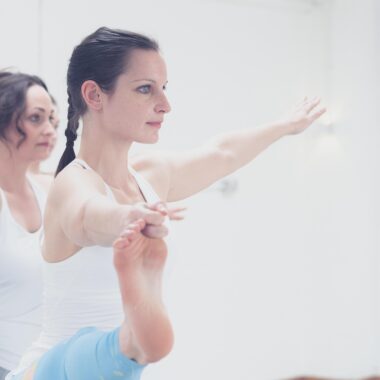
Balance training plays an essential role in developing stability and reducing the risk of injury. Strengthening your core and stabilizing muscles improves coordination and function in daily activities. Balance exercises, such as tai chi or single-leg stands, enhance proprioception, which is your body’s awareness of its position in space. This awareness is crucial not just for athletes but for everyone who wishes to maintain independence and mobility as they age. Implementation of balance training can improve sports performance by stabilizing movements, leading to greater efficiency and effectiveness. Regular practice of balance exercises contributes to confidence while moving, reduces fall risks, and enhances body control. Integrating balance training into your regimen can be as simple as adding exercises to your warm-up or cooldown routines. Focus on gradual progression by challenging your balance with different surfaces, such as wobble boards or stability balls. It’s vital to adapt your balance training to suit your fitness level, ensuring that you remain engaged and challenged. Over time, observing small improvements can motivate, further enhancing your commitment to your overall fitness program and ensuring long-lasting benefits.
Creating a Balanced Workout Routine
When it comes to achieving an optimal balance between cardiovascular and balance training, planning is key. A well-structured program should include various activities that cater to both fitness domains. Begin by assessing your current fitness level and personal goals. Determine how much cardio you should include, such as brisk walks or cycling, while also allocating time for balance training exercises. Aim to dedicate at least two to three days per week to balance workouts. Combining both elements can be seamless; for instance, participating in a dance or martial arts class often includes both cardiovascular and balance challenges. You can also alternate days, allowing your body adequate recovery time while still staying active. More importantly, ensure workouts remain enjoyable; pursuing activities that you love will enhance motivation and consistency. Progressively increase intensity, duration, or complexity of both aspects as your fitness improves. Keeping a journal may also help track achievements. Monitoring progress can boost motivation, enabling you to set new goals—this iterative process allows you to adapt and grow, making the journey to fitness rewarding.
Nutrition plays a crucial role in supporting both cardiovascular and balance training goals. Maintaining a balanced diet provides essential nutrients that fuel workouts, aid recovery, and promote optimal health. Consider incorporating a variety of colorful fruits and vegetables, as they are rich in vitamins, minerals, and antioxidants that promote recovery and immune function. Lean proteins, such as chicken, fish, and legumes, help build muscle and repair tissue damaged during exercise. Healthy fats from sources like olive oil, nuts, and avocados support hormone regulation and absorb fat-soluble vitamins. Furthermore, staying hydrated is essential for optimal performance during workouts. Dehydration can negatively impact energy levels, mood, and overall workout success. Aim to drink adequate water throughout the day, adjusting intake based on activity intensity and climate. Additionally, consuming balanced meals with complex carbohydrates can ensure sustained energy levels—a critical component for both cardiovascular and stability workouts. As you transition between strength and endurance-focused meals, prioritize timing as well, ensuring proper nutrition pre- and post-workout to maximize your efforts.
Tracking Your Progress
Tracking progress is vital in maintaining motivation and ensuring effectiveness in your fitness journey, especially when combining cardiovascular and balance training. Utilize various methods to monitor improvements; keeping a fitness journal can provide substantial insights into workouts completed, feelings before and after sessions, and any noticeable changes in endurance or balance. Technology offers additional support through wearable fitness trackers, which provide data related to heart rate, calories burned, and daily activity levels. These tools can enhance your understanding of accomplishment and areas needing improvement. Setting specific, measurable, attainable, relevant, and time-bound (SMART) goals is another effective strategy. This goal-setting approach clarifies your objectives and identifies steps to achieve them. Celebrate small milestones along the way, reinforcing motivation to continue progressing. Moreover, regularly reassessing your fitness plan can indicate what’s effective and what might require adjustments. Adapt your routine to ensure continued challenges; plateauing can diminish enthusiasm over time. Engaging with a partner or group can enhance accountability and add a social aspect to your fitness journey, making workouts more enjoyable while promoting adherence to your plan.
Incorporating accountability measures can also ensure sustained commitment to your fitness regimen. Many people find success in working with a personal trainer or joining group classes, as these options provide varying degrees of encouragement and motivation. Engaging in challenges or fitness communities online helps connect individuals with similar goals, fostering camaraderie and exchange of tips and insights. Scheduling workouts in advance and treating them as important appointments significantly increases adherence. Implementing a rewards system for accomplishing fitness goals can further enforce motivation. However, every individual’s journey is unique; remain adaptable and be willing to try new strategies. Cultivate positivity around your progress and growth, emphasizing improvement rather than perfection. Developing a well-rounded approach to combining cardiovascular exercises with balanced training creates a solid foundation for overall fitness. Strive to create a sustainable lifestyle that embraces both these important elements for long-term wellness, reducing the likelihood of injury while enhancing performance. Ultimately, the aim is to foster an enjoyable experience, so find activities you love and make adjustments that reflect your personal needs, ensuring adherence to your fitness journey.