
Conditioning Drills for Boxing Footwork and Balance
Boxing is a demanding sport that requires not just strength and stamina but also agility and balance. Conditioning drills play a crucial role in enhancing a boxer’s footwork, which significantly affects overall performance in the ring. To achieve excellence in boxing, focusing on footwork conditioning can help you evade punches effectively while creating opportunities for your strikes. One effective drill is the ladder drill, which involves stepping through an agility ladder to improve foot speed, coordination, and balance. Additionally, the cone drill is another excellent exercise that features rapid changes in direction and speed, simulating actual in-ring movements. Moreover, shadow boxing while focusing on foot placement and movement can further refine your technique. Each of these drills contributes to better reflexes, quicker pivots, and more efficient movements. Incorporating these footwork drills into your training regimen creates a strong foundation to elevate your boxing skills to the next level. Finding ways to engage in these drills regularly is essential, whether in a gym setting or at home with proper flooring. Always remember to maintain the correct form while performing drills, as this prevents potential injuries.
As you progress in your boxing training, developing a solid conditioning routine that emphasizes footwork and balance becomes increasingly crucial. An important aspect of boxing is control over your spacing and movement, which can be greatly improved by integrating plyometric exercises into your drills. Jumping exercises, such as box jumps and lateral hops, enhance explosive power and quickness necessary for effective lateral movement in the boxing ring. These plyometric drills force you to engage your core and leg muscles, leading to better leg strength and endurance. Combining these exercises with footwork drills can lead to improved performance during sparring sessions as well. Additionally, practicing lateral movements while incorporating a resistance band can create further strength and stability in your legs, enhancing your ability to move quickly. Consider joining online training communities or finding professional trainers to learn new techniques and refine existing ones. Always focus on maintaining proper foot positioning, as incorrect placement can lead to misalignment and potential injuries. Stay consistent with these footwork drills, and you will undoubtedly notice substantial improvements in your agility and ring presence when you step into the boxing ring.
Single Leg Balance Exercises
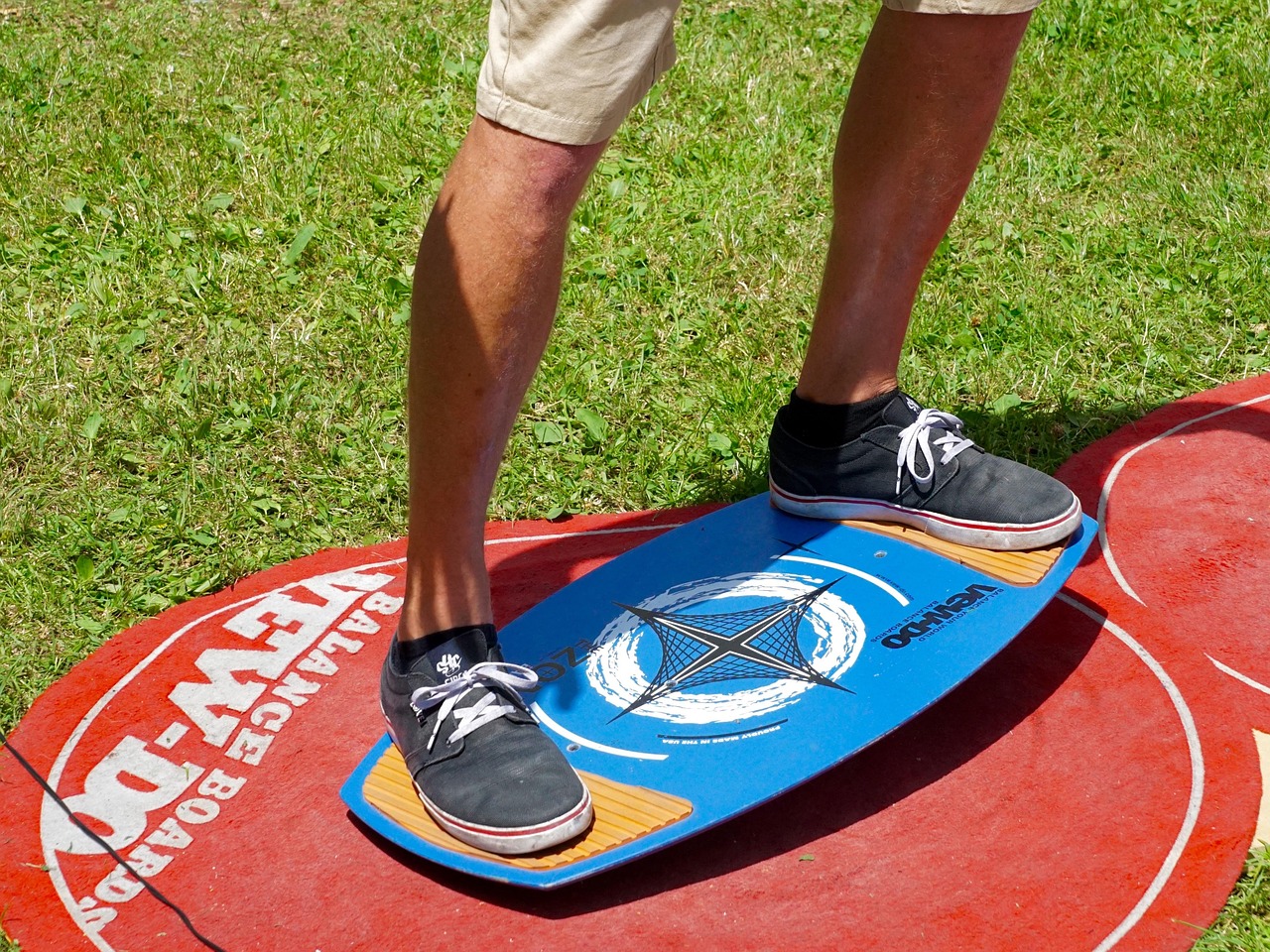
Single-leg balance exercises are vital components of boxing conditioning, promoting stability and strength throughout your training. Practicing these drills can have a profound impact on your overall footwork and balance. One popular method is to perform single-leg squats, which not only improve leg strength but also engage your core for better stabilization. This drill helps in developing stability, enabling you to maintain balance while evading punches or shifting weight. Another effective drill is to practice single-leg deadlifts, requiring both strength and balance, which will translate to better control in the ring. Incorporating stability balls and balance boards can also enhance your training routine, forcing you to engage your stabilizer muscles intensively. By focusing on balance drills, you can address muscle imbalances and increase overall coordination. These exercises will pay dividends by aiding foot placement and decreasing the risk of injuries. To make the most of your routine, always ensure you are performing each exercise with correct technique, allowing your body to adapt and grow stronger safely. Consider documenting your progress on these drills to measure improvements over time and stay motivated on your boxing fitness journey.
Incorporating dynamic stretches as part of your boxing conditioning drills can significantly enhance flexibility and mobility, essential attributes for effective footwork. Dynamic stretching is particularly beneficial in warming up before engaging in intensive drills, as it prepares your muscles and joints for the upcoming workouts. Examples of effective dynamic stretches include leg swings, high knees, and arm circles, allowing you to move through a full range of motion. These stretches can help improve your acceleration and deceleration when moving around the ring, complementing agility drills. Additionally, incorporating movement patterns that mimic boxing techniques will ensure that your body is ready for the specific demands of the sport. These stretches should be performed for 30-60 seconds per exercise, focusing on smooth, controlled movements. By embracing a routine of dynamic stretches within your training, you will notice an increase in flexibility and a reduced risk of injuries during sparring or real matches. Make it a habit to include these stretches in your daily regimen to ensure that your body adapts and thrives in the ever-evolving environment of boxing with optimal performance.
Incorporating Agility Skills into Boxing
Developing agility skills is another critical component for improving boxing footwork and balance. Agility can be cultivated through specific drills focusing on quick foot movement and reaction time. One popular drill for agility is the shuttle run, which increases speed and enhances your ability to change direction rapidly. This is important for dodging punches and quickly repositioning yourself for counterattacks. Skipping rope, another traditional exercise, promotes foot speed and builds overall endurance while training various muscle groups. Regularly practicing these drills will develop not just your physical abilities, but also your mental agility, as quick decision-making becomes essential during a fight. Pairing agility drills with footwork exercises creates a comprehensive conditioning routine that addresses several facets of your boxing performance. Engaging in such training sessions will lead to improved body mechanics and enhanced coordination, which can prove vital in competitive settings. Consistency is key when building agility, so aiming to practice multiple times a week ensures steady growth. Consider keeping track of your performance metrics to evaluate progress and fine-tune your regimen over time to achieve optimal results.
Visualizing your footwork and practicing mental drills can also provide you with competitive advantages during training. Mental conditioning involves picturing your movements and strategizing in various scenarios, enhancing your focus and improving timing during fights. Engaging in visualization techniques can create positive mental reinforcement, leading to enhanced confidence. Practicing this alongside physical conditioning drills will yield massive dividends. Techniques such as imagining your optimal footwork during different situations could help integrate the information into your muscle memory. Additionally, incorporating mindfulness practices, such as meditation, can increase your awareness and focus during training. Practicing these skills daily will help solidify your mental edge and enable you to react effectively to your opponent’s movements. Taking time to assess your performance critically can also help in identifying areas for improvement. Leveraging feedback from trainers or sparring partners ensures sustained growth. Incorporating the combination of mental and visual conditioning drills alongside physical routines creates a holistic approach to boxing training that deepens your understanding of both the sport and your capabilities. Ensuring that you prioritize mental focus will equip you with tools for managing stress during real fights.
The Importance of Recovery and Nutrition
Lastly, the importance of recovery and nutrition cannot be overlooked in your boxing conditioning journey. Recovery allows your muscles to repair and grow, helping to maintain balance in your training routine. Make sure to integrate rest days into your schedule, allowing your body time to recuperate and rebuild. Nutrition plays a vital role in fueling your training efforts, with a focus on consuming adequate protein, carbohydrates, and healthy fats. A balanced diet, rich in fruits, vegetables, and whole grains, supports not just physical performance but mental clarity as well. Staying hydrated is equally crucial, as water consumption impacts overall performance and helps prevent fatigue. Post-workout nutrition, such as protein shakes or recovery meals, promotes muscle recovery and prepares you for future training sessions. Additionally, consider consulting nutritionists or trainers who can provide personalized meal plans tailored to your training goals. Listening to your body during training helps you avoid overtraining and aggravations. With proper recovery practices and a healthy diet, you will maximize your training efforts and unlock your full potential in boxing, reaching goals you never thought possible.
In conclusion, integrating footwork and conditioning drills into your boxing training regimen can significantly impact your performance in the ring. A strong foundation built through drills targeting agility, balance, and strength will equip you with the essential skills needed to navigate competitive environments effectively. By maintaining proper technique and consistency across these drills, as well as paying attention to nutrition and recovery, you will ensure long-term growth as a boxer. The journey towards boxing fitness can be demanding but immensely rewarding. Whether you choose to work solo or with a team, staying dedicated to these practices will yield substantial benefits. Remember to track your progress, modifying drills based on your evolving skill set, and focus on continuously challenging yourself to excel. Engage with the boxing community for support, motivation, and tips to elevate your training game. Ultimately, balance both physical and mental aspects of your routine, ensuring that every training session serves its purpose. By committing to mastering conditioning drills for footwork and balance, you are well on your way to achieving your boxing goals and unleashing your potential as a skilled athlete.