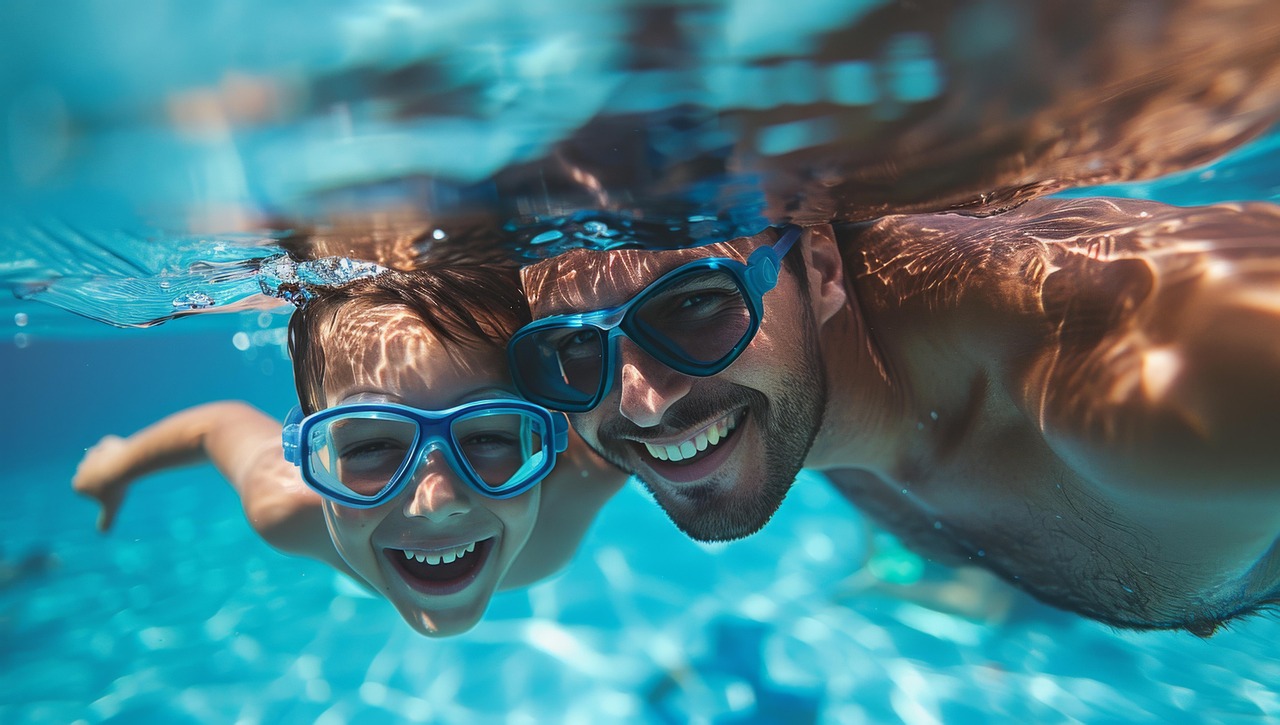

Early Introduction to Swimming: Benefits for Disabled Toddlers
Swimming can be an incredibly enriching activity for children, especially those with disabilities. Early introduction to swimming provides a unique opportunity for disabled toddlers to experience various advantages innate to the water. First, swimming fosters a sense of inclusion, allowing children with disabilities to participate in an activity enjoyed by their peers. Additionally, water acts as a medium that can enhance motor skills, helping children develop coordination and balance. Beyond physical benefits, swimming also instills confidence and encourages socialization among children, fostering friendships. Parents who introduce their toddlers to swimming often discover that this activity enhances their child’s self-esteem as they conquer water-based challenges. Moreover, swimming is known for its therapeutic value, assisting in the release of tension and stress, benefiting emotional health. This is particularly relevant for toddlers with special needs, who may experience anxiety or stress in everyday situations. As children learn to navigate water, they also gain a deeper understanding of their own potentials and limits, paving the way for future endeavors. Therefore, by introducing swimming early, parents can help enrich their disabled toddler’s life experience in unique, meaningful ways.
Swimming is also a fantastic way for disabled children to enhance their physical health while having fun. Many kids with disabilities face challenges in traditional sports due to physical limitations. However, when they enter the water, they experience buoyancy, significantly reducing the strain on their joints and allowing for freer movement. This can lead to improved physical fitness levels as they engage in swimming, helping to build strength, flexibility, and endurance. Regular swimming sessions can also positively impact cardiovascular health, crucial for overall well-being. As toddlers splash around and learn different swimming techniques, they naturally engage muscles they may not commonly use on land. Furthermore, it can be an engaging way to burn energy, assisting in maintaining a healthy weight. Parents often observe a marked improvement in their kid’s overall stamina as they become more active in the pool. The enjoyment derived from this activity encourages children to be more involved, fostering a love for recreational pursuits. By nurturing this connection with water early on, parents can provide lifelong health benefits. In essence, swimming combines play with physical growth in an enjoyable manner unavailable in many other activities.
Social Integration Through Swimming
Social integration is a pivotal factor that should not be overlooked when considering swimming for disabled toddlers. Engaging in swimming classes introduces these children to their peers in a supportive environment. Many community pools offer adaptive swimming lessons that cater specifically to children with different needs. This grants the necessary platform for friendships to form, laying the groundwork for social skills development. As children interact with one another during sessions, they frequently engage in cooperative play, which fosters teamwork. These interactions help children to practice essential social skills, such as communication and empathy. In turn, these skills can translate into their daily lives outside the pool. Participation in group lessons also creates an avenue for parents to meet and interact with others navigating similar challenges. This support system can prove invaluable, as these parents share experiences, advice, and encouragement. Additionally, as toddlers learn to swim together, the common pursuit fosters a sense of accomplishment that they can celebrate together. Thus, swimming becomes not just a physical activity but also a chance for enrichment in social dimensions, greatly benefiting disabled toddlers in their holistic development.
One of the unique aspects of swimming for children with disabilities is its adaptability. Swimming programs often include various modifications to cater to individual needs, ensuring all children have the opportunity to participate. For toddlers with sensory processing challenges, the controlled environment of a pool can offer a comforting experience as they learn to navigate water. The tactile sensation of water can be soothing, providing therapeutic benefits to those with sensory sensitivities. Additionally, adapted swimming allows instructors to customize lessons. Instructors may utilize specialized equipment, such as flotation devices and kickboards, to provide extra support, enhancing learning experiences. Through these adaptations, children can learn at their own pace, building essential water safety skills while developing personal confidence. Moreover, almost any child can participate regardless of their abilities, making it an inclusive activity. As a result, swimming emerges as an enriching choice for families looking to develop life skills in a safe, supportive environment. Parents are encouraged to research local programs that provide adaptive swimming to ensure they find the best fit. By pursuing these specialized lessons, families can open up new opportunities for their kids.
Building Confidence Through Water Activities
Swimming provides a unique opportunity for children with disabilities to build confidence while enjoying physical activities. As toddlers progress in their swimming abilities, they gain a sense of accomplishment with each new skill they master. Whether it’s blowing bubbles, floating, or learning to swim short distances, every achievement helps boost their self-esteem. This newfound confidence often translates into other aspects of their lives, encouraging children to face challenges more boldly. As they navigate their physical capabilities, toddlers learn to trust themselves, which is especially beneficial for those who may face insecurities or doubts in everyday situations. The supportive environment of swimming can diminish feelings of apprehension, allowing children to understand that making mistakes is part of the learning process. Moreover, encouragement from peers and instructors throughout lessons continually reinforces their progress. Parents often find that these swimming lessons positively impact their child’s overall attitude towards learning and trying new things. By fostering a sense of accomplishment in the pool, children begin to see themselves as capable individuals, paving the way for lifelong confidence in various situations.
Additionally, swimming can have profoundly positive effects on the emotional well-being of disabled toddlers. The calming nature of water nurtures emotional stability, providing a serene escape from daily stressors. It can help reduce anxiety by introducing a soothing atmosphere, allowing children to embrace their environment in a unique way. Water can also serve as a form of therapy, and many parents report visible changes in their child’s emotional state following swimming lessons. The very act of being in the water allows for an experience rooted in sensory exploration that can be advantageous for children with emotional or psychological needs. Swimming also promotes emotional expression, as children learn to communicate their feelings through song, laughter, and play while engaging with both instructors and peers. As they splash around, they develop bonds built on positive experiences, further nurturing their emotional growth. Parents may notice that toddlers who swim regularly often exhibit increased happiness, excitement, and openness. In conclusion, the emotional benefits of swimming for disabled toddlers are two-fold, enhancing both their engagement and well-being.
Conclusion: Embracing Opportunities in Swimming
In summary, the advantages of introducing swimming to disabled toddlers are comprehensive and multifaceted. Parents are encouraged to embrace the variety of opportunities this recreational activity presents. From improving physical health and building confidence to fostering social skills, swimming serves as an excellent holistic development activity for children with disabilities. Adaptive swimming programs create inclusive environments where every child can thrive, regardless of their challenges or abilities. The benefits of swimming extend well beyond the pool, influencing children’s emotional and social development, equipping them with skills necessary for navigation in various life situations. Every splash, kick, and float in the water becomes a conduit for growth and exploration, enabling disabled toddlers to express themselves freely. Furthermore, water activities provide parents with invaluable moments to bond with their children, creating lasting memories as they navigate this journey together. In this ever-evolving world, providing disabled toddlers with early swimming opportunities forms a crucial part of their development. Encouraging families to seek out adaptive programs ensures that every child can experience the joy and freedom found in the water, unlocking the infinite possibilities swimming offers as a lifelong pursuit.
Ultimately, swimming is much more than just a fun activity; it is a life skill that can empower disabled toddlers to embrace their potential. Through early exposure to the water, children learn essential safety skills, nurtured under the guidance of experienced instructors. These skills not only ensure their safety while they swim but also extend to everyday water environments, such as pools and lakes. The lessons learned in swimming often create a strong foundation for water confidence that lasts into adulthood. Furthermore, parents who actively involve their children in swimming encourage healthier lifestyles that persist beyond childhood. As toddlers develop a love for swimming, they are more likely to carry this passion with them as they age. By promoting regular swim practices, parents are also safeguarding their children’s well-being, ensuring they find joy in staying physically active throughout their lives. As this growing pool of evidence supports, swimming for disabled toddlers is both enjoyable and beneficial in myriad ways. Thus, early and consistent engagement in swimming emerges as a significant contributor to a brighter, healthier future for these wonderful children.