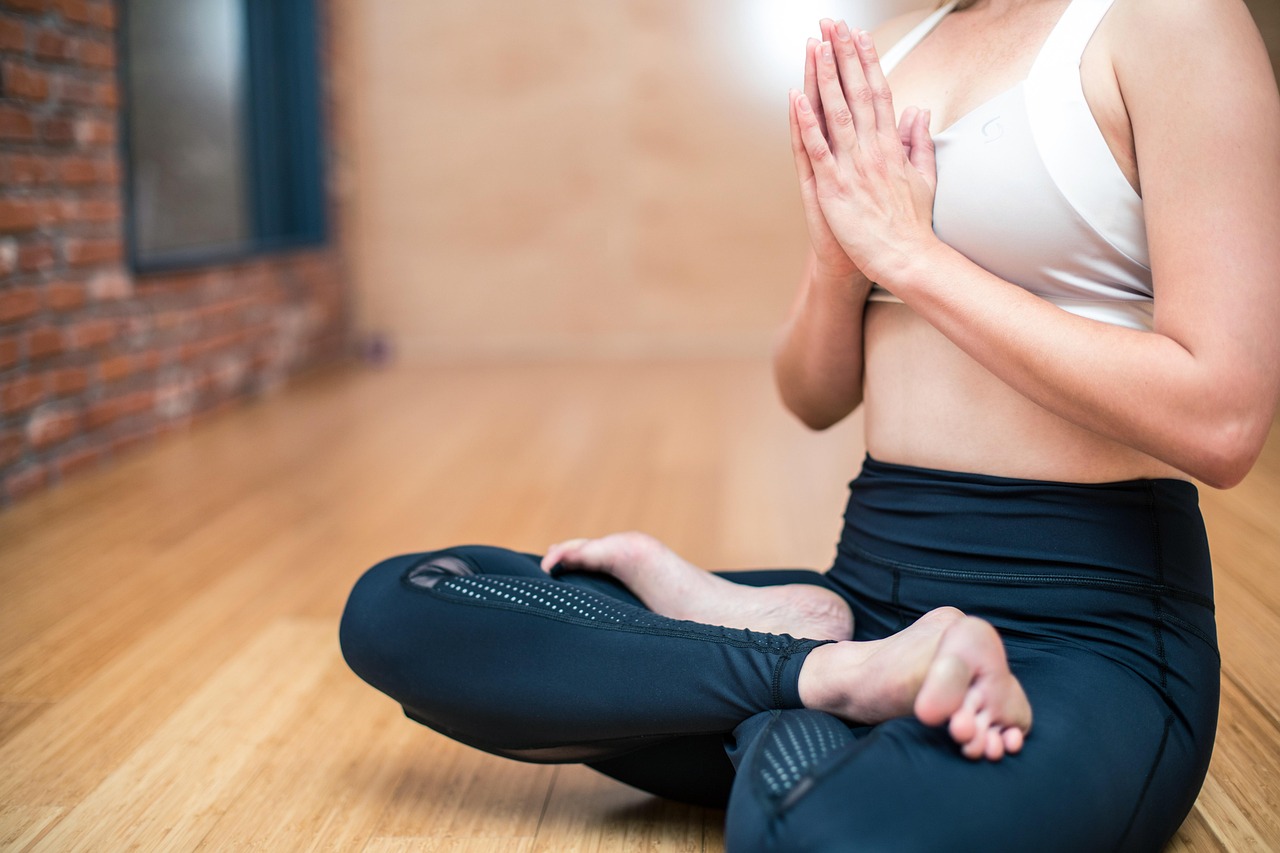

How Relaxation Techniques Can Reduce Injury Risk in Bodyweight Training
Bodyweight exercises are an effective means of enhancing strength, flexibility, and endurance without the necessity for equipment. However, accompanying this training regimen is the risk of injuries. Many individuals overlook the importance of relaxation techniques, which can significantly decrease this risk during workouts. Employing relaxation methods helps to manage the physical and mental stress that results from intensive training. As practitioners strive to enhance performance, they often forget to prioritize recovery through relaxation. Implementing practices such as deep breathing and meditation can not only facilitate muscle recovery but also assist in mental clarity, allowing athletes to remain focused on their form while exercising. When engaging in bodyweight training, being attuned to one’s body signals can enhance performance and reduce injury risk. By incorporating conscious breathing patterns during workouts, individuals can maintain better body awareness, thus preventing overexertion. As injuries often arise from poor technique rather than the exercises themselves, prioritizing relaxation is essential for proper execution of bodyweight movements. Embracing relaxation techniques ultimately leads to a more balanced and safer training experience for everyone involved.
During bodyweight exercises, the body undergoes various forms of strain and tension. Practicing relaxation techniques can directly counteract these physical stresses. Techniques like progressive muscle relaxation encourage individuals to focus on different muscle groups and intentionally release tension. By doing so, participants can improve their body’s response to stress caused by strenuous activities. This approach also trains practitioners to recognize tension buildup in their muscles, which can help prevent injuries associated with overtraining. By employing systematic relaxation and keen self-awareness, one can confidently execute exercises without risking their safety. Additionally, incorporating relaxation sessions into a weekly training routine can foster better recovery between workouts, enhancing overall performance outcomes. Studies have shown that athletes who invest time in relaxation demonstrate lower levels of soreness and fatigue, which translates to improved training longevity. Prioritizing recovery through effective relaxation techniques ensures that the body is not constantly pushed beyond its limits. As a result, engaging in bodyweight exercises should always be complemented by a strong focus on relaxation to optimize performance and minimize injuries.
Moreover, relaxation techniques can boost the overall effectiveness of bodyweight training sessions. They help maintain consistent energy levels throughout workouts, improving concentration and focus. Techniques like visualization can empower individuals to mentally rehearse their movements, reinforcing proper technique. This mental engagement reduces the likelihood of performing exercises incorrectly, which is a common source of injury. Improving focus also minimizes distractions, ensuring that practitioners execute movements with precision and control. By creating an intentional practice environment focused on relaxation, individuals are more likely to enjoy the process while engaging with their workouts fully. Additionally, incorporating structured cool-down routines that include breathing exercises can facilitate relaxation. These moments provide an opportunity for the body to gradually transition from vigorous activity to a more restful state, aiding in recovery. Another practical application of relaxing techniques entails using mindful stretching after workouts, allowing muscles the chance to recover while minimizing stiffness. Finally, the integration of such warm-up and cool-down practices fills the training regimen with a comprehensive approach to enhance performance safely.
Long-Term Benefits
In the long run, fostering a balance between effort and relaxation enhances the bodyweight training experience significantly. Relaxation techniques positively influence mental health, creating a mindset that supports consistent training and development. Stress often leads to burnout, which can deter individuals from adhering to a regular exercise regimen. However, by recognizing the benefits of relaxation, individuals can create sustainable habits that translate into long-lasting results. Moreover, understanding how to deal with mental fatigue during training sessions allows for more resilient attitudes toward setbacks. Practicing mindfulness cultivates a deeper connection with one’s body and mind, improving overall training outcomes. Adopting such techniques also helps individuals to build a positive association with exercise as a form of self-care rather than punishment. By intentionally integrating relaxation into their training schedule, bodyweight practitioners can foster a healthier relationship with physical activity. Consequently, they are more likely to approach workouts with enthusiasm, ultimately leading to higher retention rates over time. This attitude shift reinforces the importance of holistic training methodologies, combining physical and mental approaches for ideal results in bodyweight exercises.
Traditional misconceptions about bodyweight training often associate it solely with physical prowess, ignoring the essential mental aspects of performance. Yet, the reality is that a well-rounded approach requires acknowledging relaxation and recovery. Techniques such as yoga and tai chi serve as excellent complements to bodyweight training because they emphasize both physical movement and mental tranquility. Integrating these activities into a weekly schedule can foster flexibility and adaptability in both mind and body. Utilizing relaxation techniques such as guided imagery can also enhance an individual’s training experience. It allows practitioners to envision their goals and concentrate on the benefits of their workouts, ultimately reinforcing their motivation. Feedback has shown that individuals who practice relaxation techniques find greater enjoyment in their workouts. This enhanced enjoyment can lead to consistent participation, which is crucial for ongoing improvement and injury prevention. As the body and mind become interlinked during training, the risks of injury decrease. Thus, adopting a comprehensive training routine inclusive of relaxation fosters well-being and promotes a positive training culture among enthusiasts.
In conclusion, the integration of relaxation techniques within bodyweight training is essential for maximizing injury prevention. Training should never be solely about exertion; building a well-rounded exercise regimen involves listening to the body’s needs. By prioritizing relaxation, athletes can cultivate a stronger connection with their physical capabilities, leading to safer and more effective training sessions. Engaging in mindful breathing, stretching, and mental visualization can provide the necessary tools for preventing injuries and enhancing overall performance. For optimal results, individuals should aim to create a balanced workout regimen that includes robust physical training alongside focused relaxation strategies. This holistic approach significantly enhances their athletic journey and fosters long-term engagement in bodyweight exercises. Practicing relaxation techniques empowers athletes to train effectively while minimizing risks, ensuring enjoyable workouts. Therefore, as bodyweight practitioners move forward in their training journeys, let them embrace the importance of relaxation and cultivate both physical strength and mental resilience that sets the foundation for sustainable fitness achievements.
The final aspect to consider is the growing body of research supporting the benefits of relaxation techniques for athletes in various disciplines. By gathering data from studies on mental and physical performance, one can reveal the holistic advantages of incorporating these practices into training regimes. Athletes who apply relaxation techniques will likely experience improved focus, reduced anxiety, and healthier body management strategies. Furthermore, the reinforcement of relaxation through education promotes a culture of self-care within fitness communities. As awareness continues to grow about the importance of mental wellness alongside physical training, bodyweight exercisers can be empowered to take charge of their well-being, making informed choices. As they embrace relaxation techniques, they pave a path towards injury prevention and effective training for themselves. Allowing time for recovery, while addressing the mental side of performance will enable practitioners to seek their goals without the risk of setbacks. Ultimately, relaxation is not merely a supplementary practice in bodyweight training—it is essential to creating a resilient athlete. So, let this serve as a reminder to take a moment, breathe, and recognize the importance of relaxation within fitness journeys.

Everybody’s body is unique, and thus individual approaches to bodyweight training and relaxation will vary. Tailoring exercises and techniques according to personal needs will further enhance outcomes. There is no one-size-fits-all strategy; rather, experimentation with various practices can lead to constant improvement. Practitioners should closely monitor their bodies and how relaxation affects their performances. This awareness can help to discover individual preferences that lead to effective workouts and recovery. Likewise, encouraging communication among fellow practitioners can lead to shared insights, enriching training experiences and fostering a supportive community. As they collectively explore the benefits of relaxation and bodyweight exercise, individuals build stronger bonds that enhance their fitness journeys. Ultimately, the commitment to creating a culture that prioritizes both physical strength and mental well-being allows practitioners to thrive. Together, they can celebrate each improvement, no matter how small, ensuring that every step is meaningful. In this supportive environment, aspiring athletes will navigate challenges more effectively, leading to a healthier, more enjoyable training regimen.