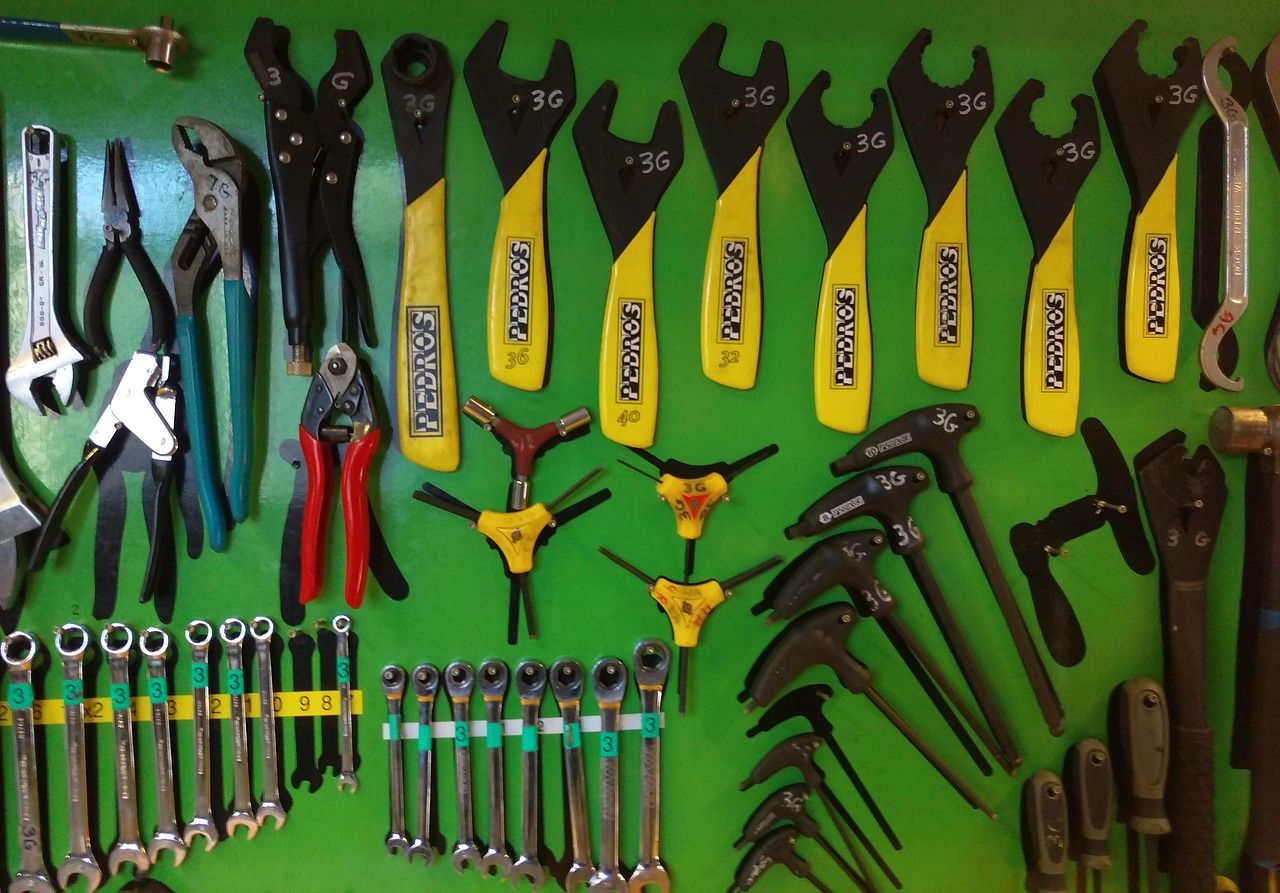

How to Maintain Your Bike: Tools and Equipment You Need
Maintaining your bike is crucial for ensuring a safe and smooth ride. Proper maintenance will prolong the life of your bicycle and enhance your overall cycling experience. To start, having the right tools is essential. Here are some basic tools every cyclist should own: a bike pump, tire levers, a multi-tool, and a chain cleaner. These tools will help you perform standard repairs and adjustments, ensuring that your bike stays in top shape throughout the cycling season. Invest in high-quality tools that will last, as cheap tools may lead to complications. Understanding how to use these tools is equally important; reading the user manuals and watching tutorials can assist with this. Keeping your bike in good condition will also help maintain its resale value. Don’t forget to regularly check your bike to prevent small issues from becoming major problems. Regular inspections will save you time and money in the long run. Finally, learn to tackle simple problems like fixing a flat tire or adjusting your brakes effectively with the right tools.
To ensure a smooth riding experience, it is paramount to understand bike maintenance. The first step involves maintaining the drivetrain, which consists of the chain, gears, and derailleurs. Regular cleaning and lubricating of the chain are necessary to prevent rust and ensure smooth gear shifts. Using a chain cleaner can remove dirt and grime effectively. Pay attention to the gear adjustments and ensure they align correctly. If not, you might find shifting gears challenging. Additionally, your bike’s brake system should receive regular checks. Clean your brake pads from debris and ensure they grip the rim or rotor effectively. If you notice any wear, it is advisable to replace the pads immediately. Regularly inspect tire pressures and tread for performance and safety. Keeping an eye on your bike’s tires helps prevent flats and contributes to better grip on various terrains. Visual inspections can catch issues before they impact your ride. Lastly, don’t forget to tighten loose screws, bolts, and nuts, as vibrations can cause them to loosen over time. A well-maintained bike ensures enjoyable rides.
Essential Maintenance Tools
When maintaining your bike, several essential tools will enhance your upkeep efforts, ensuring smooth operation. A reliable floor pump is a must, as keeping proper tire pressure is critical for performance and safety. Look for a pump with a gauge for accuracy. Tire levers are indispensable for changing flat tires, enabling you to remove tires without damaging your rims. A multi-tool is also vital for on-the-go adjustments, featuring several wrenches and screwdrivers compactly housed in one device. Having a dedicated bike work stand can elevate your maintenance routine. It allows for convenient access to your bike’s components for inspections and repairs, making tasks like lubrication much easier. Investing in a quality chain cleaner and lubricant will help maintain your drivetrain. The cleaner removes grime and dirt while the lubricant ensures smooth gear transitions. For detailed repairs, specific tools such as a cassette tool or bottom bracket tool may become necessary depending on your bike’s make. By investing in these tools, you’ll be properly equipped to tackle most maintenance issues with confidence, ensuring a longer lifespan for your bike.
Cleaning your bike regularly is vital for maintaining its aesthetic and performance. Dust, mud, and grime accumulate over time, impacting both moving parts and your bike’s overall look. To clean your bike, start by rinsing it with water to remove loose debris. Avoid high-pressure water, as it may damage sensitive components. Use a gentle soap solution to wash the frame and wheels. A soft brush helps reach into hard-to-clean areas. After washing, rinse thoroughly and dry your bike with a clean cloth to avoid rust. Don’t forget to clean the drivetrain, where dirt often builds up the most. Wipe the chain, derailleurs, and cassette carefully, ensuring to reapply lubricant afterward. Regular cleanings may also allow you to inspect components for signs of wear or damage, ensuring proactive maintenance. A clean bike is not just visually appealing; it performs better and feels smoother during rides. This simple maintenance step can lead to more enjoyable cycling. Always take care to store your bike away from elements that contribute to corrosion, such as direct sunlight and moisture.
Checking Brake Functionality
One of the most crucial components of your bike is the brakes; thus, regular checks are essential for your safety. Start by inspecting brake pads for wear. They should be evenly worn and have enough material left for effective braking. If you notice they are significantly worn down, it is time for a replacement. Following this, examine brake cables for fraying or rusting; any damage may lead to lever failure. Make adjustments as necessary to ensure brakes engage fully when you pull the lever, with even pressure applied. Perform a brake test before every ride to ensure they are responsive. Additionally, you should regularly clean the braking surfaces on your rims or rotors, as debris can accumulate. For disc brakes, ensure the rotor is straight and clean; any bends can compromise braking efficiency. Adjusting cable tension may also be necessary to achieve a consistent lever feel. Paying close attention to your bike’s brakes not only enhances safety but also promotes stability while riding. A properly functioning braking system can prevent accidents and ensure swift stopping.
Regular tire maintenance is crucial for your cycling performance and safety. Begin by inspecting the tires for any signs of damage, such as cuts, punctures, or bubbles. Damage can lead to blowouts during rides, which can be dangerous. Check the tread depth, ensuring there’s sufficient grip for safe handling. Proper inflation is key; under-inflated tires can result in increased rolling resistance and flats. Use a reliable pressure gauge to maintain optimal tire pressure; this varies by bike type and tire spec, indicated on the tire sidewall. Rotate your tires regularly for even wear, especially on bicycles with a front and rear designated. Additionally, familiarize yourself with changing flats, as it’s an essential part of cycling. Carrying spare tubes and a compact pump ensures you’ll be ready for minor emergencies. Understanding your tires will significantly enhance performance; consider upgrading to puncture-resistant models for added peace of mind. Remember, regular maintenance on tires leads not only to improved safety but also a more enjoyable cycling experience, enabling you to cover greater distances without worry.
Conclusion: Long-term Care and Storage
Storing your bike correctly is key to long-term maintenance and its overall condition. Opt for a dry, cool location to prevent rust and degradation. Utilize a bike cover when storing outside, protecting it from the elements. During long periods of inactivity, consider cleaning and lubricating components to avoid stiffness. Ensure your tires are inflated to the recommended pressure to prevent flat spots from forming. Additionally, uplift your bike off the ground if possible, to minimize contact with moisture. Don’t forget to regularly check the components even during storage, ensuring they remain in good condition for when you next ride. Seasonal maintenance can help prepare your bike for upcoming rides; lubricate chains and cables periodically to ensure smooth and safe operation when spring arrives. Enjoy riding your bike knowing you have taken care of all the necessary elements to keep it functioning optimally. Cyclists who embrace these techniques will find they enjoy longer, safer rides while gaining satisfaction from their well-maintained bikes.
In conclusion, maintaining your bike involves regular cleaning and upkeep of various components, like brakes and tires, using proper tools and techniques. By investing in the correct tools and understanding their functions, you empower yourself to perform essential maintenance tasks. Following a routine maintenance schedule not only helps secure your safety on the road but also ensures your bike remains enjoyable to ride. Building good maintenance habits will extend your bike’s lifespan and ultimately enhance your cycling experience. Always prioritize safety and be proactive in conducting simple checks for a smoother ride. By incorporating these practices into your cycling routine, you can be confident that your bike is always ready for your next adventure, regardless of the terrain you tackle. Don’t overlook the little details, as they can make a significant difference. Remember, a well-maintained bike not only looks good but also responds better during rides. The journey of cycling should be enjoyable; when you take care of your bike, you set the stage for countless pleasant rides ahead. So gear up and ride safe with confidence!