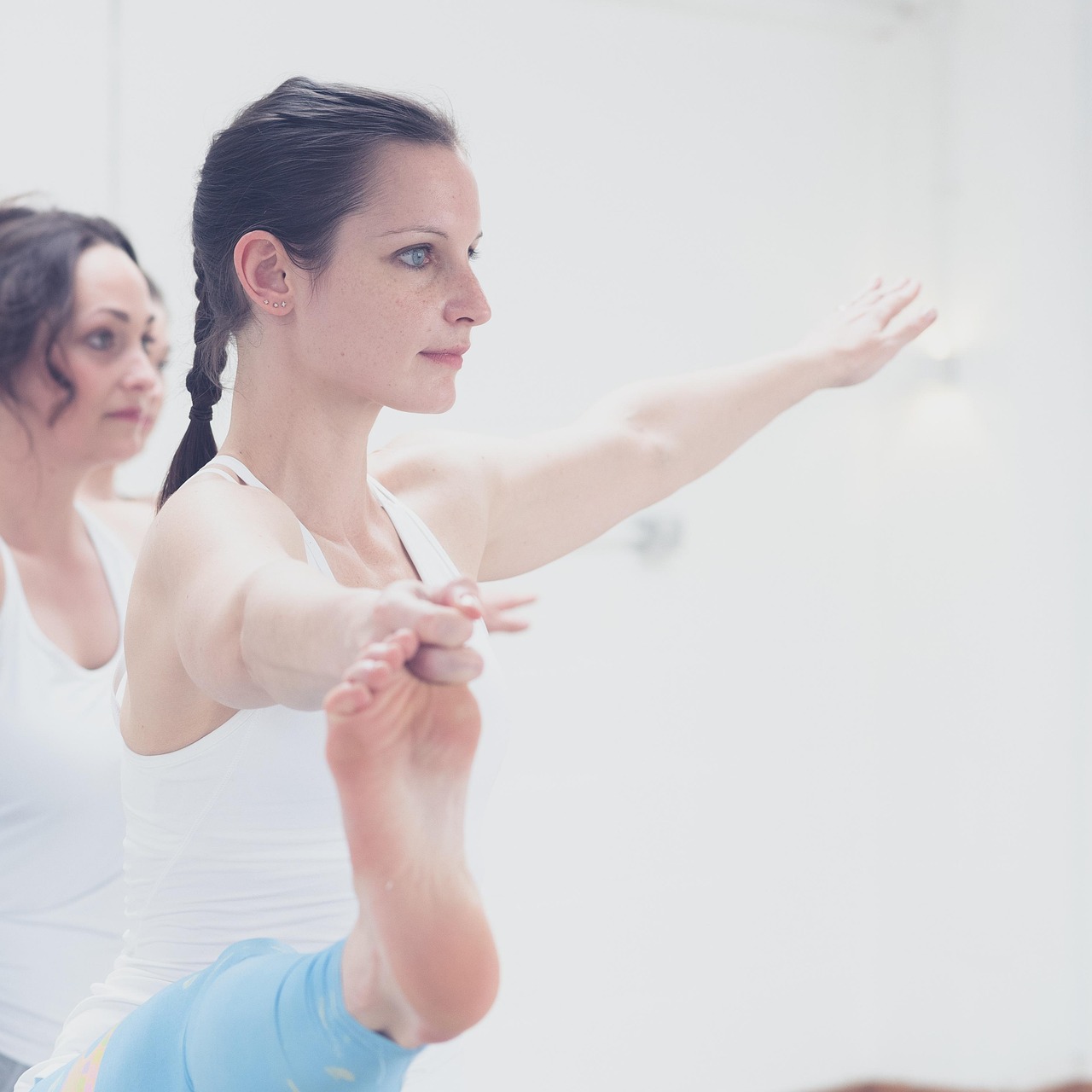

How to Progress Your Flexibility Practice in Yoga Over Time
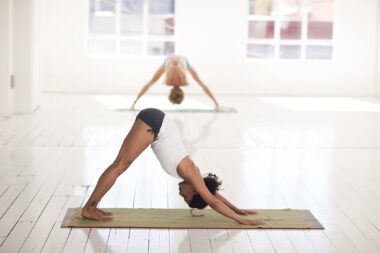
Yoga is an excellent practice for enhancing flexibility, particularly when you approach it with patience and intention. Start with a clear understanding of your current flexibility levels and set realistic goals that will inspire you. It’s crucial to create a consistent routine that incorporates various yoga poses targeting different muscle groups while slowly increasing the intensity. Incorporating poses such as downward dog, pigeon pose, and seated forward bend can significantly enhance flexibility over time. Moreover, focus on breathing techniques, as they play an important role in achieving deeper stretches and improving overall flexibility. It’s important to listen to your body to avoid injuries, emphasising quality over quantity of movements. Progressing gradually allows your body to adapt better, leading to better outcomes. Consider journaling your journey to track changes and celebrate victories, no matter how small they may seem. Remember, every body is different; it’s not a race but a personal journey towards improved flexibility. With dedication and commitment, you will frequently notice changes and improvements over time in your yoga practice that will benefit both the body and mind.
Incorporating a variety of poses into your flexibility practice is essential for preventing stagnation and promoting balanced muscle development. As you grow more comfortable with foundational poses, begin to introduce new and challenging variations. For instance, you can gradually explore deeper stretches and transitional poses like the lizard pose or the wheel pose. Classes led by experienced teachers can also provide insightful guidance, helping you refine your technique. Workshops are excellent opportunities to learn advanced stretching techniques and receive personalized feedback. Consistently engage in stretching, ensuring that your muscles remain warm and ready to elongate safely. Pay close attention to the sensations in your body; any pain or discomfort might signal that you need to adjust your approach. Try to maintain an openness in your mindset, which encourages you not only to focus on flexibility but also to embrace the journey your body undertakes. Pair your practice with proper hydration and nutrition for enhanced recovery and muscle function. This holistic approach will contribute positively to your flexibility training and overall yoga practice. Surrounding yourself with a supportive community can also motivate you further in your flexibility journey.
Establishing a Consistent Routine
Building a regular yoga routine is crucial for long-term success in enhancing flexibility. Aim to practice at least three to four times a week, dedicating time to gentle stretches and flow sequences that focus specifically on flexibility. Create an inviting space for your practice, ensuring that it is both comfortable and free from distractions. You may find it helpful to follow along with online classes or apps that specifically cater to flexibility development. Consider setting a specific timeframe each day to practice, which can help you form a habit. The consistency will reward you with noticeable improvements over time. Additionally, try to mix longer sessions with shorter, more intensive practices to keep your routine fresh and engaging. This balance allows for both depth and engagement, ensuring you don’t get bored. It’s also noteworthy to incorporate rest days, allowing your muscles to recover. Incorporating restorative poses during this time can prevent injury and facilitate ongoing flexibility gains in subsequent sessions. With patience and routine, the results will manifest, reinforcing your dedication to your yoga journey and the benefits of increased flexibility.
In your journey to improve flexibility through yoga, you can enhance your practice by utilizing props. Props such as blocks, straps, and bolsters can help deepen stretches and provide support where needed. For instance, a strap can aid in executing poses like the hamstring stretch without straining. Using yoga blocks can help you reach and stabilize in poses, particularly for beginners or those working on flexibility. This supportive approach allows you to focus on alignment and breathing, rather than straining to reach certain positions. Additionally, consider incorporating tools like foam rollers to provide self-myofascial release, which loosens tight muscles and improves overall flexibility. Balancing the use of props and personal prowess creates a safe environment for reaching your flexibility goals. Be sure to experiment with different props to see what works best for you. No two bodies are the same, so finding your ideal setup is crucial. Including props can ultimately transform your understanding and execution of yoga poses, leading towards deeper stretches and more significant flexibility progressions in your practice.
Listening to Your Body
As you progress in your flexibility practice, it’s vital to cultivate a greater awareness of your body’s signals. Regularly check in with yourself during your sessions to gauge how your body feels while performing different poses. Pay particular attention to any tight spots or discomfort that arise during stretching, as these can indicate areas needing extra care or attention. Practicing mindfulness in your yoga sessions allows you to foster a deeper connection between your mind and body. Although pushing oneself can sometimes seem beneficial, it’s crucial to differentiate between a good stretch and harmful stress on your muscles. Incorporating gentle variations or modifications can help ease your body into deeper stretches safely. Remember, flexibility builds over time, and it’s important to approach your practice with kindness and patience. Set realistic expectations for yourself, recognizing that each person’s body responds differently. Keeping a resourceful mindset and personalizing your practice can create a more fulfilled experience, guiding you along your path towards increased flexibility. Consistent practice, against the backdrop of self-awareness, makes for a transformative journey that reaps rewards.
Integrating a holistic approach to wellness can significantly complement your yoga flexibility practice. Embrace various forms of physical activity, including strength training and cardiovascular exercises, to increase overall flexibility. Engaging in cross-training not only prevents injuries but also promotes balanced muscle development. Activities such as swimming or dancing can further encourage a naturally flexible lifestyle. Moreover, consider focusing on nutrition before and after your yoga practice; eating a well-balanced diet rich in healthy fats, proteins, and carbohydrates improves muscle recovery and performance. Hydration is equally vital for flexibility; ensure you replenish vital fluids post-sweat sessions. Additionally, consider exploring complementary techniques such as Pilates or tai chi, which also improve overall flexibility, strength, and body control. Incorporating mindfulness practices, like meditation or breathing exercises, offers emotional balance and grounding, further enhancing your yoga experience. Such balanced practices can amplify your flexibility journey and create a positive ripple effect throughout your daily life. Ultimately, a comprehensive view of well-being fosters improved flexibility in yoga while enriching the overall quality of your life.
Tracking Your Progress
Tracking your flexibility progress is an essential part of your journey in yoga that can motivate you and provide valuable insights into your body. Consider keeping a yoga journal, where you can document your sessions, pose variations, and reflecting thoughts. Take notes on how each pose felt, both physically and mentally, logging any specific improvements in your flexibility over time. Additionally, consider taking progress photos to visualize your transformational journey. Taking pictures at intervals allows you to see subtle changes, which may not be noticeable day-to-day. Moreover, note personal achievements in your practice, like mastering a particularly challenging pose, or simply feeling more comfortable in others. Sharing your journey with a community, whether through social media or local classes, can provide encouragement and support, reinforcing your commitment. Celebrate these milestones to foster a positive mindset as you progress. Regular reflection on your practice deepens your understanding and commitment to your yoga journey. Reexamining your goals and progress over time helps clarify your intentions and can significantly motivate you along your path to achieving greater flexibility.
Ultimately, enhancing flexibility through yoga is an enriching journey that requires commitment and self-love. By embracing the process and integrating various strategies, including consistency, awareness, props, holistic wellness, and tracking your progress, you can witness profound changes in your body and mind. Balance is vital, not only within your practice but in life as well; establishing routines enables a sense of stability while exploring new challenges cultivates growth. Always return to the principles of self-acceptance and patience, as yoga is not purely about flexibility, but also about finding inner peace and connection with yourself. Remain open to the shifts your body undergoes, as they can lead to increased enjoyment of your practice. By fostering a supportive routine and engaging with your community, you can continually inspire yourself and others on this journey. Embrace the transformative capabilities of yoga, allowing it to guide you towards improved flexibility and overall well-being. As you progress, remember that each step is significant, and celebrate the milestones that mark your evolution on this path.