
The Impact of Trail Running on Bone Health in Older Adults
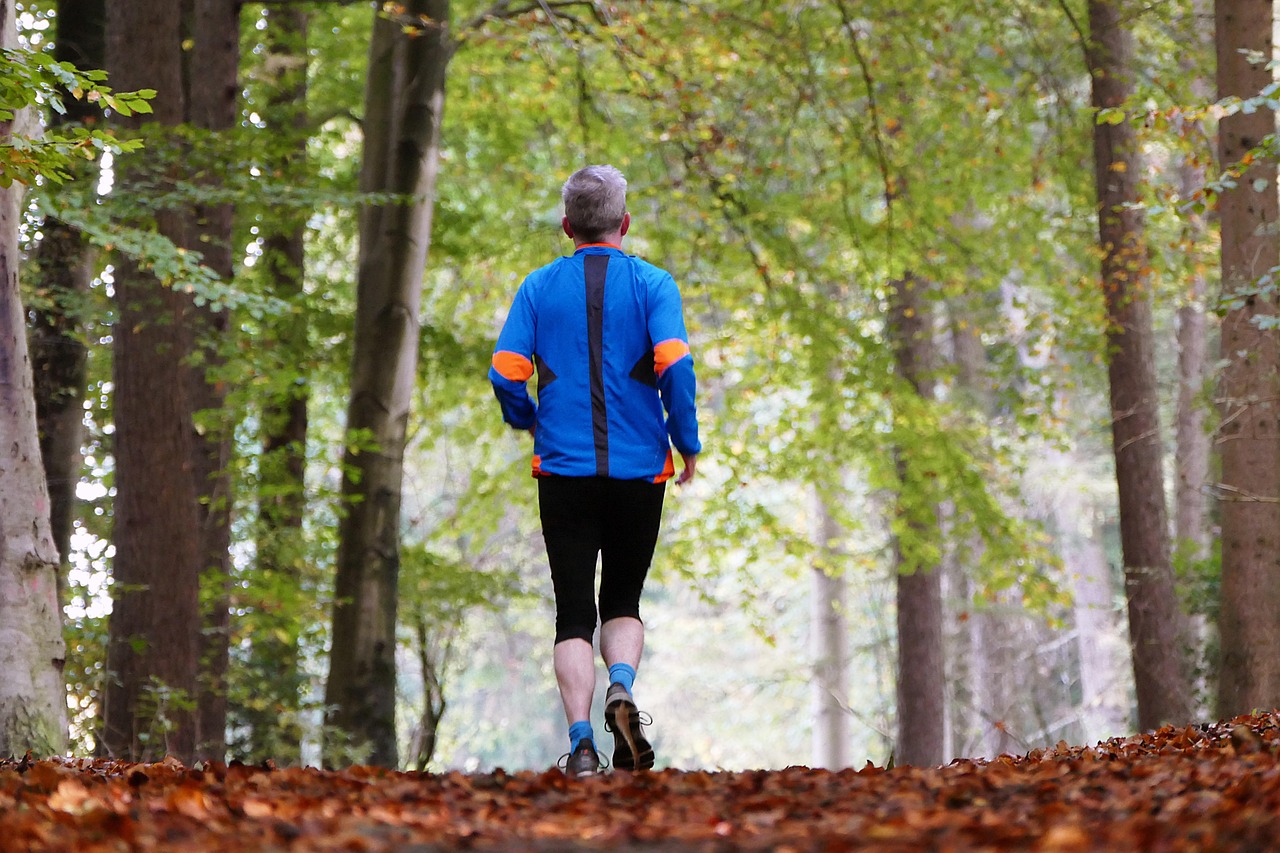
Trail running serves as an invigorating exercise option for older adults aiming to maintain or enhance their health. As people age, bone density often decreases, which can lead to various health concerns, including osteoporosis. This condition makes bones brittle and fragile, increasing the risk of fractures and falls. Engaging in trail running helps to combat bone density loss, promoting overall skeletal health. The activity encourages the development of stronger bones through weight-bearing movements that stimulate bone remodeling. Additionally, the varied terrain of trails provides not only mental stimulation but also challenges the body in unique ways, enhancing balance and proprioception. Seniors who integrate trail running into their routines often experience not just improved physical health but also enhanced mental well-being. They also benefit from being in nature, which studies suggest can reduce stress, anxiety, and depression. Unlike traditional jogging, trail running’s multilevel surfaces requires the engagement of different muscle groups, further enhancing strength and coordination, both vital aspects for older adults. Proper equipment, such as supportive running shoes, and training can enhance safety and minimize the risk of injury.
In addition to directly benefiting bone health, trail running can lead to better balance and coordination. These two aspects are crucial in reducing the risk of falls among older adults. Falls are a leading cause of injury and hospitalization among seniors, and activities promoting balance can significantly mitigate this risk. Trail running naturally integrates uneven surfaces and varied elevations, allowing seniors to engage their core muscles and improve agility, key components of maintaining steadiness while navigating different terrains. It is also essential for older adults to pace themselves and listen to their bodies; not overstressing the joints can prevent injuries such as sprains or fractures. Incorporating stretches and strength training into their routine can enhance performance in trail running, further supporting bone health. Trail running in a group or with friends can encourage social interaction, which also supports mental health. The shared experiences motivate seniors to maintain their routine and foster a sense of belonging. Moreover, consistent participation in physical activity can lead to substantial improvements in overall fitness levels, including cardiovascular health, which is often interlinked with bone health and longevity in older adults.
Additional Health Benefits of Trail Running
Beyond bone health, trail running offers several additional benefits that can help enhance the quality of life for older adults. Engaging in consistent physical activity, such as trail running, contributes to better cardiovascular health. Improved cardiovascular fitness supports overall health and vitality, helping older adults maintain independence. Running trails also facilitates the release of endorphins, hormones responsible for enhanced mood and reduced stress levels. When integrated into a weekly routine, trail running can help combat feelings of loneliness and depression often associated with aging, fostering an improved outlook on life. The exposure to sunlight during trail runs can also boost vitamin D levels, essential for maintaining strong bones and a healthy immune system. Furthermore, trail running enhances lubrication in the joints, reducing stiffness and discomfort associated with age. Emphasizing the importance of hydration and nutrition while participating in trail running cannot be overstated, as they collectively contribute to improved performance and recovery times. Seniors’ ability to stay active and engaged significantly impacts their overall well-being, so exploring local trails can open opportunities for adventure and personal growth well into their later years.
While the benefits of trail running are numerous, it’s crucial for older adults to approach this activity with safety in mind. Before starting any running routine, seniors should consult healthcare professionals to assess their fitness levels and well-being. Gradual progression is vital, allowing the body to adapt without unnecessary strain. Choosing appropriate trails is equally important; opting for smoother, less technical paths may be more suitable for those new to running. Additionally, wearing the right footwear tailored to trail running can minimize the risk of slips and falls. Using supports, such as running sticks or poles, can also enhance stability and confidence on uneven terrain. Staying mindful of one’s body signals, including fatigue or discomfort, can safeguard against injuries. Adequate warm-up and cool-down exercises can assist in maintaining flexibility and preventing stiffness. Finding friends or joining a trail running group can provide motivation and enjoyment, as social interaction enhances the overall experience. It also creates accountability in maintaining fitness routines, which is essential for sustainability. While the risk of injury exists, with proper precautions, trail running can serve as a rewarding activity that promotes health and wellbeing in older adults.
Preparing for Trail Running
To maximize the benefits of trail running, older adults should prepare adequately by establishing a solid foundation in fitness prior to starting. Implementing a mixed routine encompassing walking, strength training, and flexibility exercises can create a strong base for running on trails. Engaging in strength training enhances muscular strength, supporting bone density and reducing the risk of injury while trail running. Stretching exercises increase flexibility, further ensuring a full range of motion critical for navigating various terrains. Nutrition also plays a significant role in ensuring that seniors have the energy needed for their running sessions. Consuming a balanced diet rich in calcium, vitamin D, and essential nutrients supports not only bone health but overall physical performance. Seniors should remain well-hydrated, both during and after exercise, to support recovery. Listening to one’s body remains crucial; if fatigue sets in, allowing ample time for rest will facilitate future workouts. Finally, tracking progress through journaling or using fitness apps can help motivate seniors to stick with their trail running routines, ensuring that they reap the long-term benefits of this enjoyable activity.
In summary, the positive impact of trail running on bone health in older adults cannot be overstated. Emphasizing the importance of safe practices, preparing adequately, and being mindful of one’s body can enhance the overall experience and minimize the risk of injury. The multifaceted benefits extend beyond physical health, aiding in mental well-being and providing a sense of camaraderie when participating in group activities. Thus, older adults should consider incorporating trail running into their regular exercise regimen. Whether it’s joining community trail running groups or simply embarking on solo adventures, the benefits for bone health and overall fitness can significantly improve their quality of life. Exploring scenic trails allows for continued exploration and personal growth, promoting an active and fulfilling lifestyle. Ultimately, this recreational pursuit blends physical activity with the great outdoors, creating opportunities for connection with nature and the community. As more seniors embrace trail running, they are likely to enjoy the excitement of a healthier and more engaged life. Trail running is an excellent way for older adults to remain active, promote bone health, and foster lasting friendships.
Conclusion
In conclusion, the journey into trail running offers valuable health benefits for seniors while enjoying the beauty of nature. The empowerment that comes with maintaining bone health through this activity highlights the importance of physical fitness in older age. Encouraging friendly competition, group engagements, and outdoor adventures can lead to a deeper appreciation for the natural world. Trail running promotes robust physical health, which, combined with social benefits, can aid in defeating common challenges faced by older adults. As trail running continues to gain popularity among seniors, creating supportive environments will encourage greater participation. Initiatives such as organized trail running events and community support networks can play a pivotal role in fostering this trend. Promoting educational workshops for seniors about trail running and its benefits can also empower them to make informed decisions regarding their health. Tackling stereotypes about older adults and their capabilities can pave the way for broader acceptance of trail running. Ultimately, embracing trail running can join all elements of fitness, community, and nature, bridging generational gaps while fostering lasting happiness. Regular trail running can indeed become a transformative journey for older adults seeking both health and adventure.
Overall, the journey into trail running offers valuable health benefits for seniors while enjoying the beauty of nature. The empowerment that comes with maintaining bone health through this activity highlights the importance of physical fitness in older age. Encouraging friendly competition, group engagements, and outdoor adventures can lead to a deeper appreciation for the natural world. Trail running promotes robust physical health, which, combined with social benefits, can aid in defeating common challenges faced by older adults. As trail running continues to gain popularity among seniors, creating supportive environments will encourage greater participation. Initiatives such as organized trail running events and community support networks can play a pivotal role in fostering this trend. Promoting educational workshops for seniors about trail running and its benefits can also empower them to make informed decisions regarding their health. Tackling stereotypes about older adults and their capabilities can pave the way for broader acceptance of trail running. Ultimately, embracing trail running can join all elements of fitness, community, and nature, bridging generational gaps while fostering lasting happiness. Regular trail running can indeed become a transformative journey for older adults seeking both health and adventure.