Building a Motivational Network for Sports Success
Creating a motivational network is crucial for athletes aiming to achieve sports success. The journey of an athlete can often be challenging, filled with ups and downs. By developing a network that encourages and supports each individual, it facilitates the pathway to getting better, staying focused, and reaching new heights. This network may include family members, friends, coaches, trainers, and fellow athletes who uplift and inspire one another. Motivation derived from social interactions can significantly enhance performance, resilience, and mental well-being. When surrounded by individuals who share similar goals, athletes feel empowered to pursue their dreams with more zeal. Building this network is not merely about connections; it revolves around establishing trust and understanding among individuals. Additionally, athletes can benefit from using social media and online platforms to expand their networks, finding like-minded individuals who share their aspirations. Thus, this motivational ecosystem becomes a crucial part of their training and competition routine, reinforcing their commitment and helping them navigate challenges effectively.
Incorporating a variety of support systems into an athlete’s network can provide diverse perspectives and guidance. Different individuals in the network can contribute unique experiences, resources, and strategies, resulting in a comprehensive support framework. For instance, a coach can provide expert advice and training techniques, while a peer can share personal experiences and mental strategies for overcoming obstacles. An athlete’s family will likely offer unconditional support and encouragement, which plays a significant role in maintaining motivation. It is important to recognize the value of emotional support systems that embody empathy and understanding within the network. Building personal connections within this framework helps foster trust, allowing athletes to communicate challenges freely. Ultimately, recognizing the various roles these individuals fulfill within the motivational network can empower athletes to access the support they need. Utilizing positive social interactions encourages athletes to hold themselves accountable when pursuing their goals. Each member’s contribution can create a robust system that enhances their overall performance while creating a sense of belonging to guide them through challenges and triumphs in the sporting world.
Fostering Positive Relationships
The foundation of a successful motivational network is built on positive relationships among its members. To cultivate these relationships, athletes must focus on open communication, active listening, and mutual respect. Engaging regularly with the network allows individuals to share their trials and successes, ultimately strengthening relationships. It’s essential for each member to express their feelings and experiences to foster an atmosphere of understanding and empathy. Establishing regular check-ins, either through in-person meetings or digital platforms, ensures that everyone stays connected, reinforcing the binding force of their interaction. Athletes should not hesitate to seek advice, share insecurities, and celebrate successes with their network. When creating positive environments, athletes feel motivated to push through challenges and maintain a growth mindset. Furthermore, establishing trust among network members ensures that athletes receive honest and constructive feedback, thus promoting growth. Enthusiastic partners can encourage athletes by reinforcing their strengths, boosting their confidence, and reminding them of their capabilities. Together, these positive relationships lead to a supportive atmosphere conducive to optimal performance and fulfillment.
Goal setting is a critical component of any athletic endeavor, making it vital for a motivational network to support this process. Clear and achievable goals give athletes a sense of direction and purpose. Members of the network can work collaboratively to help each other establish both short-term and long-term objectives, ensuring everyone stays aligned. As athletes set goals, the network can also assist in maintaining accountability and monitoring progress. This involves celebrating milestones together, regardless of their size, which keeps spirits high and fosters commitment. Moreover, sharing experiences with goal-setting can inspire creativity and give new insights into achieving these objectives. Goal-setting initiatives can also lead to structured practice sessions, increased competition, and enhanced camaraderie among network members. It’s essential for athletes to share their goals with others, as it strengthens their resolve in achieving them. Consequently, setting goals within the network incentivizes collaboration, motivation, and reinforces a sense of shared purpose. As each member achieves their goals, it instills confidence and inspires the entire group to aim higher.
Building Resilience Through Support
Resilience is a valuable trait that every athlete must develop in their pursuit of success, and a motivational network can greatly contribute to enhancing this quality. Support from friends, family, and mentors can help athletes find the strength they need during challenging times. Building resilience involves learning from setbacks and emerging stronger. When athletes have a network that openly discusses challenges, they are more likely to view obstacles as opportunities for growth. Sharing stories of resilience within the group can serve as powerful motivators, reminding individuals that they are not alone in their struggles. Engaging in collaborative problem-solving allows the network to find solutions together, reinforcing the idea that support is both crucial and effective. Furthermore, networking encourages athletes to remain adaptable in the face of adversity. Listening to the experiences of others provides a broader perspective and can inspire innovative approaches to challenges. In building a resilient mindset through shared support, athletes can navigate their sports journey more effectively and emerge as stronger competitors.
Another way athletes can strengthen their motivational network is by giving back to others within the community. Sharing knowledge and experiences not only helps strengthen relationships but also creates a sense of fulfillment. Athletes can volunteer their time to mentor others, lead workshops, or participate in local sports initiatives. This reciprocal relationship nurtures motivation while enhancing the community’s overall well-being. By investing in others, athletes foster camaraderie and appreciation among their peers, ultimately nurturing a more cohesive network. As individuals support others, they also reinforce their commitment to their personal goals and aspirations. Don’t shy away from participating in community events, as it broadens connections and creates new opportunities for collaboration. By fostering growth in others, athletes cultivate an environment rich in positive energy and motivation. This community-building effort benefits not only the athletes themselves but also the next generation of athletes who thrive on shared experiences. Moreover, the act of supporting others can rejuvenate an athlete’s passion and dedication, creating a cycle of motivation that bolsters success.
Utilizing Technology for Motivation
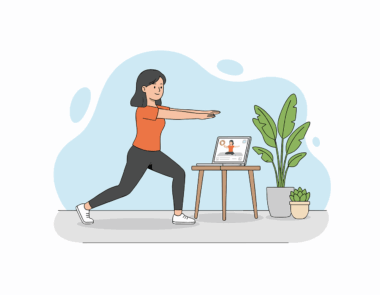
In today’s digital age, technology can play a significant role in enhancing motivational networks among athletes. Online platforms facilitate the connection of like-minded individuals who may not be in close proximity. Athletes can join forums, social media groups, or apps designed for sharing training tips, experiences, and updates. By engaging in these online spaces, athletes can interact with others who share similar experiences, forging new connections that transcend geographical barriers. Utilizing technology offers athletes an opportunity to discover various training methodologies, strategies, and motivational techniques that can be incorporated into their routines. Furthermore, technology can provide instant feedback on performance, whether through wearables or apps that track progress. The ability to access resources and communicate with others anytime supports a continuous cycle of motivation. Despite benefiting from technology, it’s essential to balance online interactions with face-to-face communication. Thus, combining technology and personal connections can foster a rich and robust motivational network. Embracing modern tools while maintaining traditional relationships creates an engaging environment that nurtures athletes’ growth, resilience, and determination.
To achieve long-lasting sports success, athletes must continually nurture and expand their motivational networks. It’s crucial to recognize this growing process and remain open to new relationships. As athletes evolve in their careers, adapting their network to align with their changing goals is essential. This involves seeking out new mentors, friends, or fellow athletes who challenge them and encourage growth. Furthermore, being proactive in reaching out to others is an important factor in maintaining a healthy, vibrant network. Engaging in social events, workshops, or training sessions allows athletes to meet new people who might contribute to their journey. Additionally, staying connected requires continuous effort, whether through organized events, regular calls, or social media interactions. Remember that a strong support system is one that achieves synergy, ensuring that everyone benefits from collaboration. As athletes develop their motivational networks, they create not only a pathway to achieving their goals but also a sense of belonging and engagement within their sport. Embracing these relationships enriches their journey toward success, enhancing both their physical performance and emotional well-being.