
Historical Perspectives on Parkour’s Safety and Risk
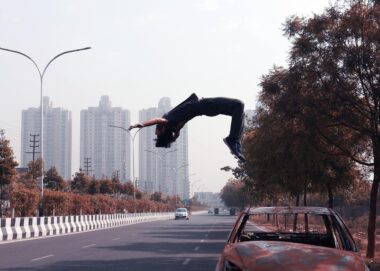
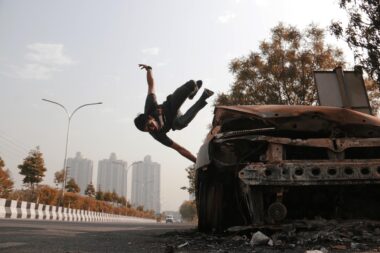
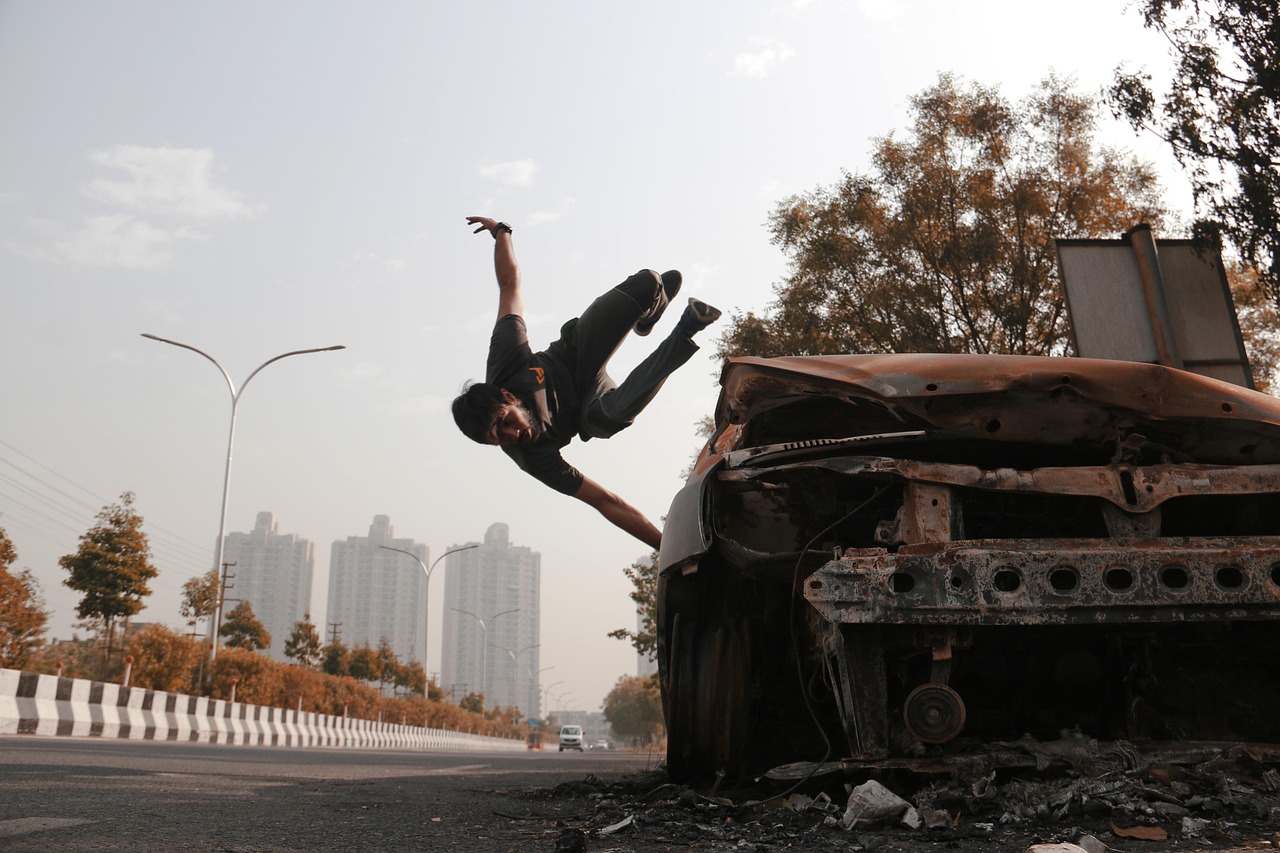
Parkour and freerunning have evolved profoundly, with roots tracing back to the early 20th century. The French army’s “parcours du combattant” training method significantly influenced parkour’s foundations, emphasizing agility and efficiency in overcoming obstacles. David Belle, one of the founders, embodied the philosophy of adapting movements to navigate urban environments while emphasizing self-discipline and risk management. The interplay between safety and risk became a core aspect of the practice, necessitating a balance between daring choreography and personal safety. As interest grew, so did awareness about potential injuries, creating a discourse on safety measures. Notably, this led to formal training curriculums aimed at educating newcomers about techniques, environmental awareness, and physical conditioning. The emphasis on respecting one’s limits helped shape a culture that values safety alongside artistic expression. Much of parkour’s ethos encourages participants to understand their physical capabilities and the risks associated with each stunt. As parkour became more mainstream, media representations sometimes sensationalized its more dangerous aspects, leading to a dichotomy in public perception regarding safety protocols and the inherent risks associated with the art form.
The late 1990s marked a significant turning point; community engagement flourished alongside the sport’s popularity. Urban landscapes evolved as freerunning expanded, prompting a reassessment of safety protocols. Local governments began considering the installation of specific training areas and obstacle courses to facilitate safer practice environments. The rise of online platforms facilitated the sharing of techniques, training philosophies, and safety practices. Athletes documented their journeys through social media, influencing many to begin their parkour journeys while raising awareness regarding the necessity of understanding risks. Videos often showcased impressive stunts, but many creators embedded messages about injury prevention. Community forums also emerged, providing spaces for discussions about experiences and advice on risk management. Such online spaces helped redefine the narrative surrounding parkour and freerunning away from reckless pursuits to more calculated forms. Cooperation among athletes facilitated mentorship, fostering new generations who prioritize safety while expressing creativity. However, there were challenges as well, with many jurisdictions struggling with defining acceptable locations for practice. Understanding and navigating these legal hurdles became integral for athletes seeking safe environments while surviving amidst increasing scrutiny from urban planners and local authorities.
Training and Evolution of Safety Techniques
As parkour and freerunning continue to evolve, training methodologies have become more refined. Safety mechanisms, especially in freerunning, have taken center stage in developing curricula. Coaches and athletes alike began employing risk assessment models that evaluate variables such as the environment and physical abilities before performing stunts. Innovative techniques emerged, including progressive training that emphasized gradual exposure to obstacles. This not only helps minimize injuries but also builds confidence in practitioners. Furthermore, rehabilitative practices like yoga and cross-training became integral parts of training regimens. By honing flexibility and strength, athletes reduce the danger of injuries, ensuring longevity in their practice. Workshops focusing on safety awareness and body mechanics proliferated, allowing practitioners to make informed decisions. Community challenges illustrated the importance of safety; often, competitors would emphasize techniques that exhibited both creativity and precaution. Coupled with media warnings, a more mature approach to training materials prompted athletes to reassess how they viewed risk. Research studies began to emerge as well, highlighting the unexpected benefits of proper training environments and how supportive communities could foster safe practices amid rigorous physical activities.
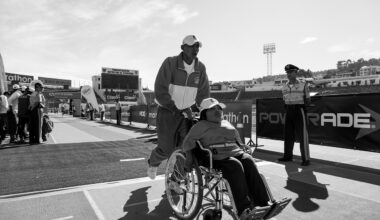
Safety also plays an integral role in expanding parkour’s accessibility beyond elite practitioners. As new training techniques fostered a means to practice safely, more individuals, including those with disabilities, became interested in participating. Inclusive programs advocate adaptive techniques that allow individuals of varying physical abilities to engage with parkour. Workshops specifically designed for inclusivity highlight the sport’s potential to empower individuals, reminding practitioners of their adaptability regardless of limitations. This evolution correlates with a growing awareness of mental safety alongside physical safety. Mental resilience has become elevated within the community as practitioners acknowledge that risk-taking is not solely a physical endeavor. Understanding mental triggers related to fear and anxiety during stunts has become crucial, leading to discussions about psychological preparedness. Social media influencers leverage their platforms to share experiences of overcoming personal blocks, strengthening community bonds through shared vulnerability. As more organizations recognize the necessity of supportive spaces for mental well-being, the sport continues detailing how risks are perceived differently, creating layers that intertwine emotional and physical safety. Such a nuanced understanding fosters a deeper appreciation for parkour that transcends technical mastery into holistic engagement.
Regulatory Measures and Their Implications
As parkour’s popularity surged, regulatory measures began to emerge, affecting where practice could occur. Local governments frequently cited liability concerns as justifications for restricting locations traditionally used by practitioners. Safety regulations sometimes stifled creativity, forcing athletes to rethink how and where they trained. This tension led many parkour academies to advocate for designated spaces while working alongside urban planners. Partnerships with local governments aimed to emphasize parkour’s potential benefits to communities, including physical fitness and social connection. An evolving narrative began to unfold — local jurisdictions started recognizing parkour as a legitimate sport rather than merely a reckless hobby. Consequently, safety-focused initiatives blossomed, leading to designated parks and training areas designed for safe practice. These collaborations deeply impacted parkour culture, marrying tradition with modern-day addressal of risks while creating environments that inspire creativity without the constraints of legal repercussions. However, challenges remain as some communities continue to resist acknowledging parkour as a legitimate form of exercise, often viewing it through a lens of risk rather than recreational engagement. As perception continues shifting, the dialogue around regulations grows, reinforcing how safety and artistic expression can coalesce.
Today, parkour and freerunning stand at a crossroads yet again, grappling deeply with the principles of safety. Many proponents of the practice argue that safety innovations should not compromise the spirit of the sport. Yet, this sentiment must align with the realities of potential dangers posed by improper techniques or lack of training. As athletes strive to push the boundaries of what is possible, education surrounding risks and safety becomes even more intrinsic to the culture. Emphasis on sharing knowledge around best practices significantly contributes to the broader narrative of safety within parkour and freerunning. Contemporary practitioners have become champions for informed risk-taking, advocating for calculated adventures rather than reckless abandon. Emphasizing preparation as essential continues to flourish within workshops and community gatherings as practitioners develop methodologies that respect both tradition and modern-day contexts. As social media connects athletes worldwide, copious information on safety spreads rapidly, fostering cohesive practices. The future seems bright for parkour as discussions surrounding responsibly addressing risk evolve, reinforcing the belief that safety can exemplify courage, creativity, and empowerment within this expressive discipline.
Conclusion: The Future of Parkour’s Safety Landscape
Pondering future possibilities, one observes an ongoing trajectory aimed at harmonizing self-expression and safety measures. Parkour and freerunning have grown beyond individual pursuits, maturing into inclusive, community-focused activities. The continuing evolution of safety protocols and best practices contributes significantly to broadening participation. Attaining a balance between challenging athletic expression and responsible practice remains a pivotal theme in the culture. Collaboration with urban planners and policymakers signifies a step towards establishing an ecosystem where practitioners can thrive safely, thus encouraging more exploration within communities. Educational resources have proliferated, focusing on comprehensive training that emphasizes assessing risk and building mental resilience. Emerging technologies, such as virtual reality, could further provide immersive experiences that enhance safety training without the physical risks involved. Adopting these innovative approaches allows future generations to continue exploring parkour’s artistic qualities while prioritizing their well-being. Future directions hinge on collective responsibility within the community to uphold the spirit of parkour by incorporating safety, inclusivity, and creativity. Ultimately, the hope is for a future where the exhilarating dance of risk and safety advances the art of parkour into broader life success beyond the barriers of physical limitations.
Through the lens of history, Parkour evolves as both a dance with risk and as a discipline rooted deeply in community values. As discussions surrounding safety continue to forge a path forward, practitioners, supporters, and governing bodies can collaboratively anchor the sport’s legacy in respect for limits while embracing the thrill of boundless possibilities.