
How Aromatherapy Enhances Sleep Quality for Fitness Enthusiasts
Aromatherapy has emerged as a beneficial practice for enhancing sleep quality, particularly for fitness enthusiasts. After a rigorous workout regimen, recovery becomes paramount, and quality sleep is a vital component. Science has shown that certain essential oils can significantly influence sleep by promoting relaxation and reducing anxiety, essential factors for athletes seeking optimal performance. Implementing aromatherapy can create a calming routine, preparing the body for restorative sleep. For fitness enthusiasts, sleep is not just about rest; it’s a phase where muscle repair and growth occur, making it vital to prioritize sleep health. Using essential oils such as lavender, chamomile, and cedarwood can facilitate a more restful night, addressing various sleep-related issues. Moreover, integrating aromatherapy with relaxation techniques, such as yoga or meditation, enhances its effectiveness. Thus, aromatherapy holds a promising place in the recovery arsenal for athletes, helping to improve their overall wellness and performance. Those engaged in rigorous physical activities should consider adopting this natural approach to augmenting sleep quality as part of their self-care routine.
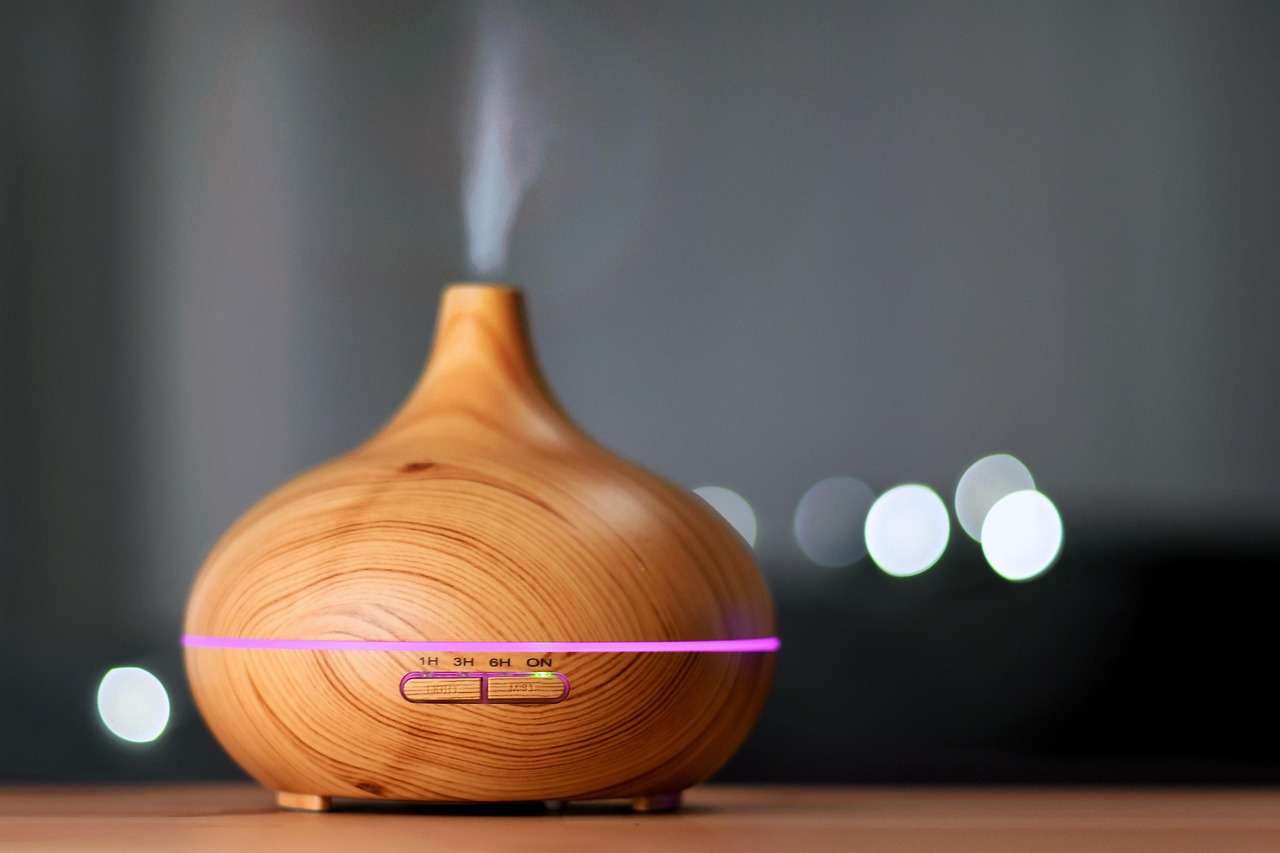
The benefits of aromatherapy extend beyond mere relaxation; they directly impact the sleep cycle. Various studies suggest that certain scents can help lower blood pressure and heart rate, which are significant indicators of stress. Essential oils, when inhaled, send signals to the brain that trigger emotional and physical responses conducive to falling asleep. For example, lavender oil is renowned for its soothing properties, often exploring its effects on sleep in clinical trials. According to research, participants exposed to lavender oil reported improved sleep quality, with more extended periods of deep sleep compared to those who did not. Other oils, such as bergamot and frankincense, present similar benefits, promoting a tranquility that facilitates easier transitions into sleep states. Fitness enthusiasts who integrate these oils before bedtime may also enjoy quicker recovery from training sessions, aligning with their overall well-being. Furthermore, using a diffuser not only purifies the air but disperses soothing scents throughout the environment, creating a sanctuary for relaxation and sleep. Therefore, incorporating aromatherapy can create a personalized bedtime routine that supports healthy sleep patterns critical for athletic success.
Choosing the Right Essential Oils
Selecting the appropriate essential oils is crucial for maximizing aromatherapy’s benefits for sleep. Different oils possess unique properties and can cater to specific needs related to relaxation and sleep enhancement. Lavender stands out for its universally recognized calming effects, making it ideal for combating insomnia and anxiety. In addition, chamomile promotes not just sleep but also digestion, which can sometimes disturb a nighttime routine. Cedarwood is another exceptional choice, recognized for its grounding scent that helps alleviate stress and anxiety. Moreover, essential oils like ylang-ylang can further enhance mood and induce feelings of tranquility. To maximize effectiveness, fitness enthusiasts should consider blending oils to suit their preferences while addressing their unique sleep challenges. Creating essential oil blends tailored for sleep can include pairing lavender with bergamot or cedarwood for a more profound effect. The key is to experiment with various combinations while maintaining a calming environment. A relaxing routine enhances the overall experience, ultimately leading to a more restful night’s sleep. Therefore, understanding the array of available essential oils and their properties aids athletes in selecting the right ones for their specific needs.
Incorporating aromatherapy into a bedtime routine can significantly enhance its effectiveness. Creating an atmosphere conducive to relaxation, free from distractions and stressors, sets the stage for better sleep quality. This may involve dimming lights, playing soft music, or even practicing mindfulness exercises while using essential oils. Utilizing a diffuser allows essential oils to permeate the air, providing a continual calming presence throughout the night. Alternatively, massage with diluted oils can provide both relaxation and a chance for self-care, incorporating gentle stretch and release techniques to unwind. Moreover, a warm bath infused with comforting essential oils like eucalyptus or lavender can elevate the experience, significantly aiding in muscle relaxation. During these soothing activities, the body naturally transitions into a state of rest, creating a seamless shift into sleep. For fitness enthusiasts, embracing this holistic approach addresses both physical and mental health needs, fundamental for an active lifestyle. This integration of wellness practices is crucial in maximizing results, allowing for recovery and preparation for upcoming fitness endeavors, highlighting the undeniable benefits of aromatherapy.
Creating Your Personal Sleep Sanctuary
Transforming your bedroom into a sleep sanctuary is essential for maximizing the benefits of aromatherapy. The right environment can boost the effectiveness of essential oils, creating a truly restful atmosphere. Begin by decluttering the space, emphasizing calmness through minimal distractions. Consider using blackout curtains to mitigate light exposure, further reinforcing the body’s natural sleep cues. Additionally, maintaining a comfortable room temperature lends itself to restorative sleep, promoting relaxation. Once the physical space is prepared, incorporate your chosen essential oils through diffusers or sprays, allowing the calming scents to envelop the room. Adding plants like lavender or jasmine not only beautifies the area but introduces natural fragrances while improving air quality. For a final touch, consider investing in soft bedding and comfortable pillows to enhance your overall sleeping experience. Personalizing your sleep sanctuary can greatly impact your quality of rest, making it vital for fitness enthusiasts to prioritize this space. Consequently, the integration of aromatherapy in a well-designed sleep environment fosters a holistic approach to recovery, essential for achieving peak performance.
Maintaining consistency in your aromatherapy routine is critical for seeing long-term benefits. Making essential oils part of your nightly ritual sets a regular pattern the body can recognize as a cue to unwind. Regularly utilizing scents can build a connection in the brain with sleep, sharpening the body’s response to these triggers over time. Furthermore, documenting your sleep patterns may reveal trends and aids in assessing which essential oils or combinations work best for you. Over time, this practice cultivates a personalized approach that addresses individual sleep challenges more effectively. Consider discussing aromatherapy with a healthcare provider if you experience chronic sleep issues, as they can offer personalized advice on using essential oils alongside other treatments. Complementing this practice with healthy lifestyle choices, such as regular exercise and proper hydration, fortifies its effectiveness. Ultimately, fitness enthusiasts committed to improving their recovery must embrace the consistency of aromatherapy to tap into its full restorative potential. As a result, this commitment to their wellness journey not only enhances sleep quality but bolsters athletic performance as well.
Conclusion and Final Thoughts
In conclusion, the role of aromatherapy in enhancing sleep quality for fitness enthusiasts is both beneficial and enriching. Sleep is fundamental for recovery and subsequent performance, highlighting the significance of restful nights following intense training sessions. Aromatherapy naturally aids in achieving this goal through the calming powers of essential oils. By incorporating scents like lavender, cedarwood, and chamomile, athletes can create a holistic approach to sleep wellness. Establishing a bedtime routine that involves aromatherapy and a conducive sleeping environment fosters an atmosphere of relaxation and peace. Consistency is key, as the body learns to respond to these practices, ultimately improving sleep quality over time. Thus, the integration of aromatherapy not only enhances recovery but helps in achieving overall mental and physical wellness, essential for anyone involved in fitness. As more individuals embrace these natural practices, the benefits may lead to enhanced performance and improved life quality. For those committed to their health journeys, adopting aromatherapy in their routines represents a valuable step, emphasizing sleep as an integral element of fitness and recovery.