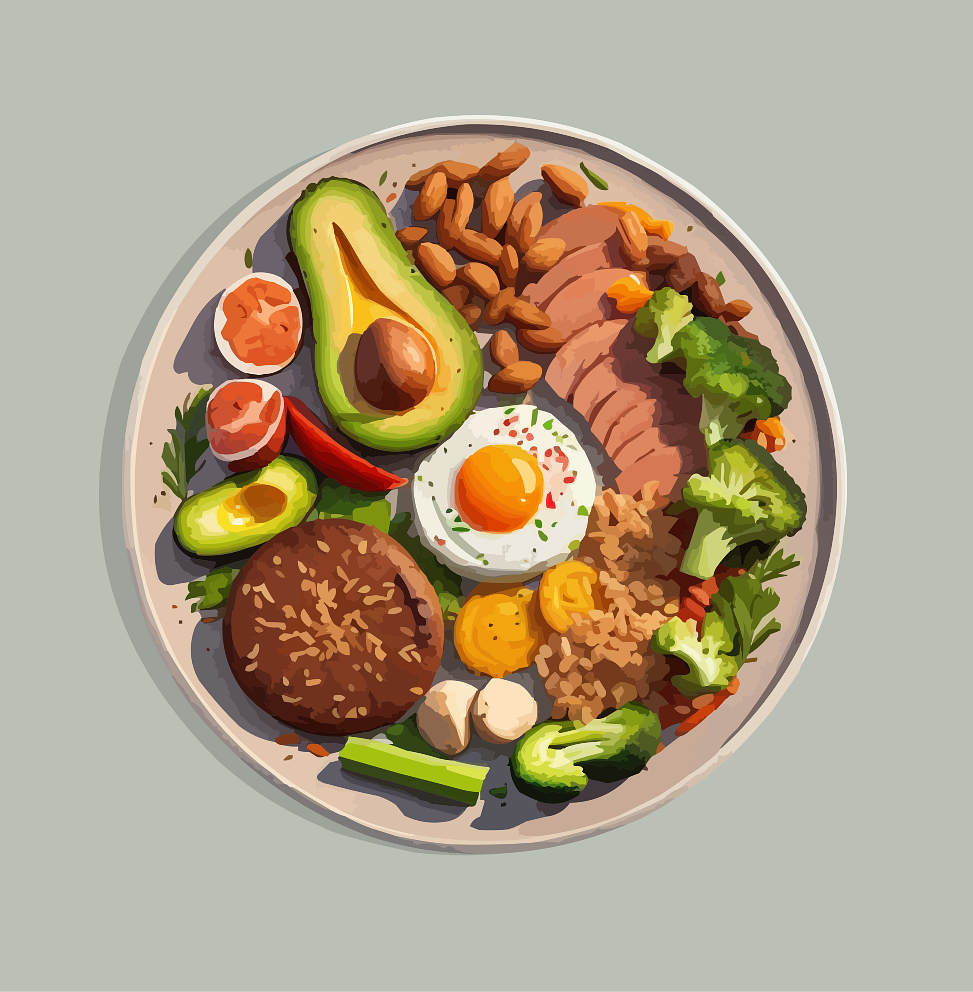

How to Transition Into a Keto Diet Safely and Effectively
Transitioning into a ketogenic diet can be a challenging yet rewarding process. Understanding the basics of keto is essential for a successful shift. The keto diet focuses on low carbohydrate intake and increased fats, promoting fat burning for energy. To begin, it’s crucial to educate yourself on what foods fit into this lifestyle. The ideal macronutrient ratio typically consists of about 70-75% fat, 20-25% protein, and only 5-10% carbohydrates. Start by eliminating processed foods, sugars, and grains. Instead, fill your pantry with wholesome fats like avocados, nuts, and high-quality oils. Incorporating leafy greens and non-starchy vegetables can ensure adequate fiber intake. Planning your meals beforehand helps avoid temptation and ensures compliance. Consider utilizing tracking tools to understand your macronutrient intake better. Some people may experience side effects during the transition, known as ‘keto flu,’ including headaches and fatigue. Staying hydrated and ensuring adequate electrolyte consumption can alleviate these symptoms. Gradually reducing carbohydrate intake over a few weeks may also ease the transition. In the end, dedication and knowledge will pave your way to a successful keto journey.
Preparing Your Kitchen for the Keto Journey
Preparing your kitchen is a significant step in ensuring success on the ketogenic diet. A well-organized kitchen allows for easy meal preparation and encourages healthy eating habits. Start by clearing out foods that do not align with keto guidelines, such as bread, pasta, and sugary snacks. Replace these items with keto-friendly alternatives, like almond flour, coconut flour, and low-carb sweeteners. Stocking up on quality fats is essential, so include olive oil, coconut oil, and grass-fed butter in your pantry. Additionally, keep a variety of protein sources, including eggs, fatty fish, poultry, and keto-friendly dairy products. Fresh herbs and spices will enhance the flavors of your dishes without adding carbs. To simplify the cooking process, invest in handy kitchen tools like a slow cooker, spiralizer, and food processor. Meal prepping on weekends can also save time during the busy week. Consider designing a rotation plan for meals to prevent monotony. By preparing your kitchen ahead of time, you mitigate challenges and temptations that may arise while transitioning into the keto lifestyle.
Understanding the potential side effects commonly known as the “keto flu” is critical for anyone transitioning into this lifestyle. As your body adjusts to using fat for energy instead of carbohydrates, you may experience various symptoms. Common complaints include fatigue, irritability, dizziness, and headaches. These effects typically last a few days to a week, as your body adapts to ketosis. To combat these symptoms, it’s essential to maintain proper hydration and replenish electrolytes. Consuming foods rich in potassium, magnesium, and sodium can help alleviate discomfort. Broths and electrolyte drinks can be beneficial during this period. It’s equally crucial to listen to your body; if symptoms persist or worsen, consult a healthcare professional. Gradually reducing carbohydrates while increasing fats over a couple of weeks may also ease the transition and minimize adverse effects. People often experience positive changes in energy levels and mental clarity once they adapt. Remember, each person’s experience can differ, so be patient and kind to yourself throughout this journey. A mindful approach can pave the way for long-term success on the keto diet.
Meal Planning and Recipe Ideas for Keto
Effective meal planning is vital for maintaining a ketogenic lifestyle. Given the strict macronutrient requirements, having planned meals can be a significant factor in your success. Begin by listing keto-friendly foods that satisfy your dietary preferences. Incorporate high-fat proteins such as salmon, ground beef, and chicken thighs. Bulk up on vegetables low in carbs like broccoli, cauliflower, and zucchini. These will form the base of your meals, and you can combine them in many exciting ways. Search for creative recipes online that excite your taste buds while adhering to keto principles. Recipes like zucchini noodles, cauliflower rice, and fat bombs can keep your meals enjoyable. Additionally, using herbs and spices can elevate the flavor without adding carbs. You might consider batch cooking on weekends to save time. This ensures you always have ready-to-eat options available during busy days. Experiment with new recipes as frequently as possible, and don’t hesitate to time-test different flavors and combinations. Keeping your meals varied prevents diet fatigue, facilitating a more sustainable keto journey for the long haul.
Monitoring your progress is key in transitioning successfully to a keto lifestyle. Keeping records can provide insight into what works and what doesn’t, helping you adjust accordingly. Start by tracking your weight, body measurements, and how you feel mentally and physically. For more detailed tracking, you might consider utilizing apps tailored to the ketogenic diet. These tools can help you log your food intake and ensure you meet your macronutrient goals consistently. Many users report that weighing themselves weekly instead of daily can help maintain a healthy mindset. Besides weight, pay attention to how certain foods affect your energy levels and mood. You might find certain ingredients cause cravings or sluggishness, indicating they may need to be adjusted or eliminated from your diet. Regularly assessing your progress helps reinforce accountability. Celebrating small victories along the way, such as improved energy or clearer skin, creates positive reinforcement. Remember, adapting to this new lifestyle is a personal journey; honor your progress, and understand that there might be ups and downs along the way.
Staying Motivated on Your Keto Journey
Motivation plays a crucial role when transitioning into and maintaining a ketogenic diet. Initially, you may feel excited about the changes, but that motivation can wane over time. To combat this drop, it’s vital to establish clear and achievable goals. Consider setting short-term and long-term targets that are specific, measurable, and realistic. Joining online support groups or local communities also fosters motivation, as interacting with like-minded individuals provides encouragement and accountability. Sharing experiences, recipes, and challenges can inspire you during low points. Creating a vision board can also reaffirm your aspirations while reminding you of your reasons for starting this diet. Additionally, keep a journal documenting your progress, struggles, and triumphs. Seeing how far you’ve come can reignite your commitment. Regularly taking pictures of your meals could help as well, as visually appealing food can inspire creativity in cooking. Remember to celebrate milestones and reward yourself when you meet your goals. These rewards don’t have to be food-related; consider spa days or other self-care activities. Maintaining motivation helps ensure a successful and fulfilling keto journey.
Ultimately, transitioning into a ketogenic diet requires patience and commitment. Don’t be discouraged by initial challenges and fluctuations. Remember that every individual’s body responds differently, and adjustments may be necessary along the way. Retraining your habits and preferences is an integral part of achieving success. If cravings strike, know that they can often be conquered by staying well-hydrated or consuming high-fat snacks. Over time, your palate will likely adjust, and you’ll find previously appealing foods become less desirable. Continuously seeking educational resources about keto principles can enhance your knowledge and ensure a lasting commitment to the lifestyle. Engaging with educational materials—whether through cooking classes, podcasts, or articles—can keep your motivation alive. Exploring the science behind your body’s adaptation to ketosis can provide a fantastic foundation. Remember that this is a journey, and it’s important to embrace the highs and lows along the way. Ultimately, with persistence and an informed approach, you can achieve your health and weight loss goals through a ketogenic lifestyle.
Final Thoughts on Keto Journey
Transitioning to a keto diet can be an intricate process, yet when approached mindfully, it can lead to remarkable benefits. Each element discussed plays a pivotal role in ensuring your success. From understanding the parameters of keto to tracking your progress, every step is essential. Moreover, preparing well could facilitate a smoother transition. Cultivating a supportive environment at home and online keeps the momentum going. It’s also necessary to remain adaptable; what works for one person may not work for another. Adjust your approach based on your experiences and feedback from your body. Celebrate not only your physical progress but also the mental strength you develop while facing challenges. Remember, personal growth stems from navigating difficulties. The knowledge gained during this transition can empower you in various aspects of life and set the stage for continued success. Above all, staying true to your goals while being flexible is crucial. The journey to a healthier lifestyle is lifelong, filled with learning opportunities. Keep evolving, and embrace the process, and you will ultimately thrive on your ketogenic journey.