
Incorporating Strength Training into Disabled Trail Runners’ Routines
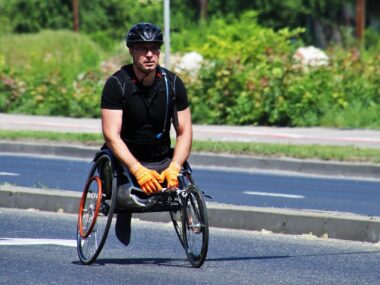
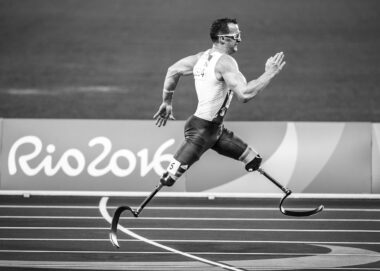
Trail running can be a transformative experience for individuals with disabilities, combining the joy of nature with physical fitness. Strength training becomes an essential component of any trail runner’s routine, especially for those with disabilities. This practice not only enhances overall strength but also improves running posture and reduces the likelihood of injury. Strength training can be adapted to individual needs, allowing for a personalized approach that considers one’s capabilities and goals. By integrating bodyweight exercises, resistance bands, or weights, disabled trail runners can build muscle strength, which improves endurance on trails. Additionally, focusing on core strength helps maintain balance, stability, and control during runs. This focus on strength can ultimately enhance performance, allowing trail runners to tackle longer distances and more challenging terrains. Each runner’s program should involve warm-ups, progressively increase in intensity, and incorporate cool-down periods. Staying safe and following specific guidelines is key. Seek professional guidance for effective and safe strength training routines suitable for individual disabilities. The blend of strength training into a running regimen can lead to better overall fitness and running enjoyment for disabled trail runners.
Additionally, strength training can target specific muscle groups to benefit trail runners. A focus on the legs is particularly essential, given that this is where power is generated during runs. Exercises such as squats, lunges, and leg presses can enhance quadriceps, hamstring, and calf strength. Moreover, upper body strength should not be neglected; a strong upper body helps maintain proper posture during trail runs, especially on steep inclines. Resistance training can include exercises like push-ups or rows, which can be modified using resistance bands or lighter weights based on one’s ability. Core workouts are equally crucial; they can involve planks or sit-ups, enhancing stability as the runner maneuvers diverse terrains. Resistance training should follow a plan that includes 2-3 sessions per week, focusing on all major muscle groups. This consistency builds muscle endurance and strength over time. Adapting these exercises to cater to specific disabilities ensures safety and fosters improvement. Incorporating strength exercises into a weekly routine can be a game-changer for paving the way to enhance performance and overall satisfaction on the trails for disabled runners.
Adapting Strength Training for Individual Needs
Individualized strength training routines are particularly vital for disabled trail runners, ensuring exercises align with their capabilities. Consideration of one’s disability is crucial when designing an effective training program. Customizing the intensity, volume, and the type of exercises is necessary. Start with fundamental movements that promote muscle activation but do not cause undue strain or discomfort. Make progress slowly, allowing for gradual increases in either resistance or complexity of the exercises as strength improves. Utilizing adaptive equipment can facilitate participation in strength training. For instance, specialized weights or resistance bands may provide more control. Additionally, focusing on bodyweight exercises can eliminate barriers, as many can be performed safely without equipment. Regular assessments are essential to gauge progress and adjust exercises accordingly. Performing an array of exercises targeting different muscle groups holistically strengthens the body. It’s also beneficial to engage with physical fitness programs specifically designed for people with disabilities. This support offers not just camaraderie but tailored guidance in achieving strength training goals alongside other trail runners.
Moreover, employing technology can enhance the strength training experience for disabled trail runners. Fitness trackers can help monitor performance and track progress over time. Many devices come equipped with features that allow users to gauge workout intensity and overall effectiveness. Furthermore, online platforms can provide valuable instructional resources, from video demonstrations to downloadable workout plans specifically for adaptive athletes. Connecting with online communities can foster motivation, as shared experiences and success stories can inspire individuals to stay committed to their strength training routines. Utilizing social media groups dedicated to adaptive athletes can also offer networking possibilities and workshops. Such interactions also create spaces to share advice and cultivate friendships with like-minded individuals. Engaging with personal trainers experienced in working with disabled athletes can provide invaluable insights, personalized plans, and encouragement. All these factors work together to create an inclusive, supportive environment that promotes health and fitness among disabled trail runners. Balancing strength training with trail running ensures that disabled athletes develop resilience while also enjoying the thrill of conquering scenic trails.
Monitoring Progress and Setting Goals
Monitoring progress in strength training and trail running is essential for all athletes, particularly those with disabilities. By keeping track of workouts, achievements, and challenges, runners can assess their growth and adapt their routines accordingly. Maintaining a training journal helps document improvements and setbacks, making it easier to identify patterns and fine-tune goals. Setting realistic and achievable goals is paramount; these should reflect individual aspirations. Rather than focusing solely on weight lifted or speed, include participatory goals, such as running a certain distance or completing a specific trail. Small victories can be incredibly motivating and boost confidence and enthusiasm. Establishing a routine that includes both running and strength training sessions can also lead to increased consistency. Participating in competitions, fun runs, or community events designed for disabled runners can provide motivation and a sense of accomplishment. Additionally, seeking feedback from coaches or trainers can offer external perspectives on personal progress and development. Recording and celebrating achievements, no matter how minor, fuels motivation. Healthy progression through regular assessments encourages continued commitment and cultivates a positive mindset in disabled trail runners.
Prioritizing recovery also plays a vital role in the strength training journey for every runner. Transitioning from strength workouts to running should include sufficient recovery periods. This is crucial to avoid injuries and ensure optimal performance. Adequate rest days allow muscles to repair and grow stronger. After training sessions, consider employing techniques such as stretching, foam rolling, and hydration. These practices can alleviate stress and reduce muscle soreness. Moreover, listening to one’s body is essential; recognizing signs of fatigue or discomfort can prevent injuries and promote well-being. Proper nutrition significantly impacts recovery as well. Consuming a balanced diet rich in proteins, carbohydrates, healthy fats, vitamins, and minerals supports muscle repair and energy levels. Include nutrient-dense meals and snacks throughout the day; timing post-workout nutrition can optimize recovery further. Engaging in mindfulness practices can enhance mental recovery alongside physical rehabilitation. Empowering oneself with relaxation techniques or meditation benefits the overall well-being of athletes. Ultimately, creating a robust recovery plan complements strength training and trail running routines, enhancing the long-term success of disabled trail runners in achieving their fitness goals.
Conclusion: Embracing the Trail Running Community
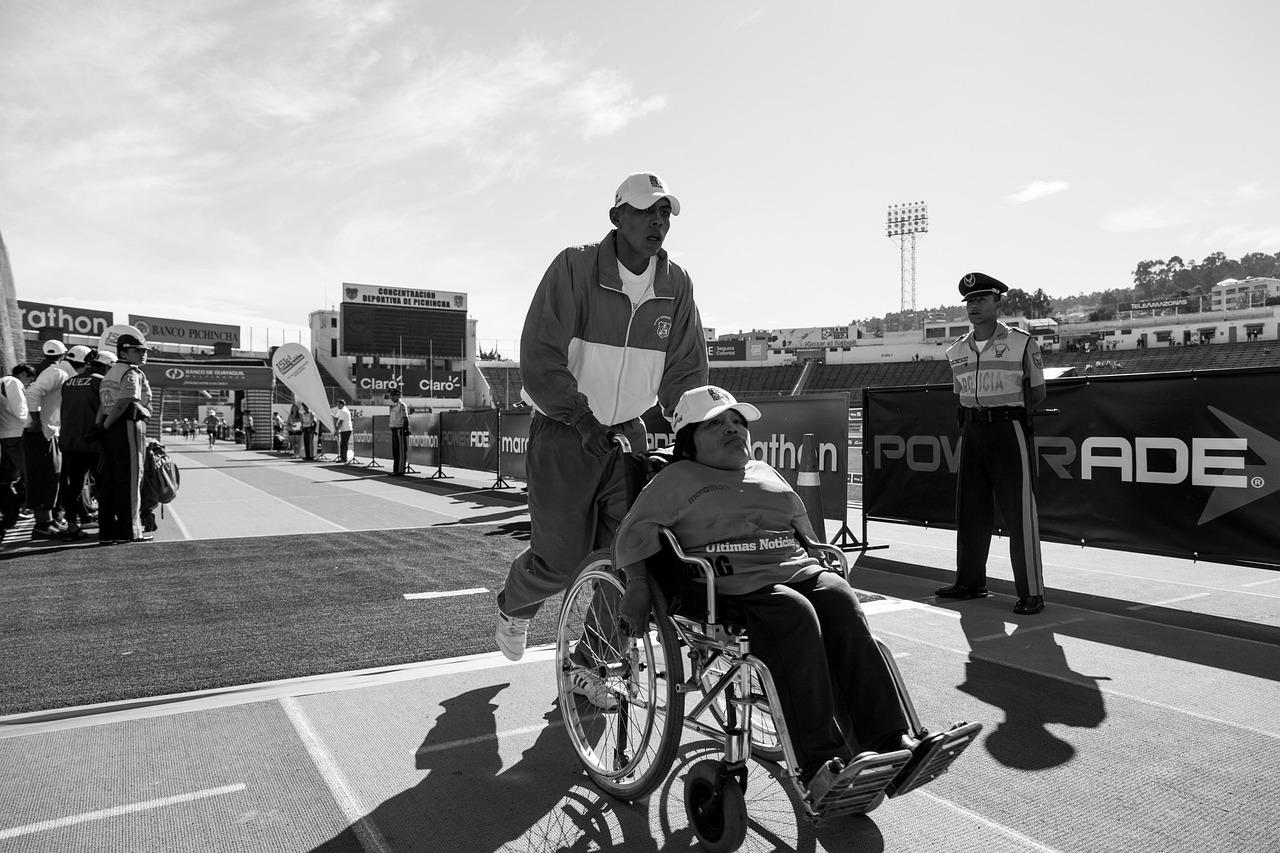
In conclusion, incorporating strength training into the routines of disabled trail runners is essential for achieving fitness goals and enhancing performance. Strength training not only increases muscle strength and endurance but also contributes to better overall health and well-being. Embracing adaptive methodologies ensures that all athletes can participate in strength training without barriers. Individuals should take inclusive approaches to strength training, staying engaged, connected, and informed. Leveraging technology, community support, personalized plans, and recovery strategies contributes to lasting success on the trails. By fostering connections with other trail runners, disabled athletes can share experiences and encourage one another through their journeys of fitness. Participation in supportive groups cultivates a sense of belonging and provides invaluable resources and motivation. By incorporating the principles of individualization and adaptation, each runner can discover their unique path while relishing the challenges and joys of trail running. As the community continues to grow, the spirit of appreciation for the beauty of nature and healthy living flourishes among all trail runners. With the right tools, determination, and camaraderie, the possibility of success is boundless for everyone involved.
This is another paragraph with exactly 190 words.