
Tailoring Swim-Bike-Run Transitions for Age Group Triathlon
Triathlon’s success depends heavily on an athlete’s ability to transition efficiently between the swim, bike, and run segments. Age group triathletes may find themselves confused by the agility required during these transitions, but with thoughtful strategies tailored to their unique needs, they can significantly enhance their performance. Transition training should not be an afterthought; rather, it should stand alongside training for each individual leg of the race to ensure optimal results. Specialized drills and break-down routines can help age groups address their specific challenges faced during transitions. This targeted approach can include practicing dismounting techniques from the bike, focusing on swift gear changes, and managing hydration and nutrition effectively. Understanding the mental game is equally important, as psychological barriers can prevent athletes from fully investing in their transitions. Age group triathletes often benefit from repeated practice during training to build muscle memory and confidence in their abilities, helping them excel on race day. With progressive adaptation and effort, every athlete can learn the critical art of transitioning smoothly and quickly, leading to better overall performance.
Importance of Efficient Transitions
Transitions in triathlon represent an opportunity to gain time without the added strain of physical exertion. For age group athletes, honing efficiency in transitions is vital for competing successfully. Transitioning involves swapping gear, adjusting to new pacing and effort levels, and managing mental shifts between different disciplines. It’s not uncommon for athletes to underestimate the significance of these moments, which can account for several minutes across a race. Efficient transitions require specific skills that are rarely developed simply by participating in swim, bike, and run workouts alone. Implementing transition-focused workouts into the regular training routine helps improve both speed and fluidity. Athletes should practice getting in and out of their gear quickly, such as removing wetsuits or changing footwear. Visualization techniques can also improve confidence, allowing athletes to mentally rehearse each transition. These practical skills not only ensure a visible tempo boost but also ultimately build a competitive edge. Avoiding common mistakes such as excessive time spent on transitions will refine performance averages, making efficient transitions a simple but powerful element of an age group athlete’s training strategy.
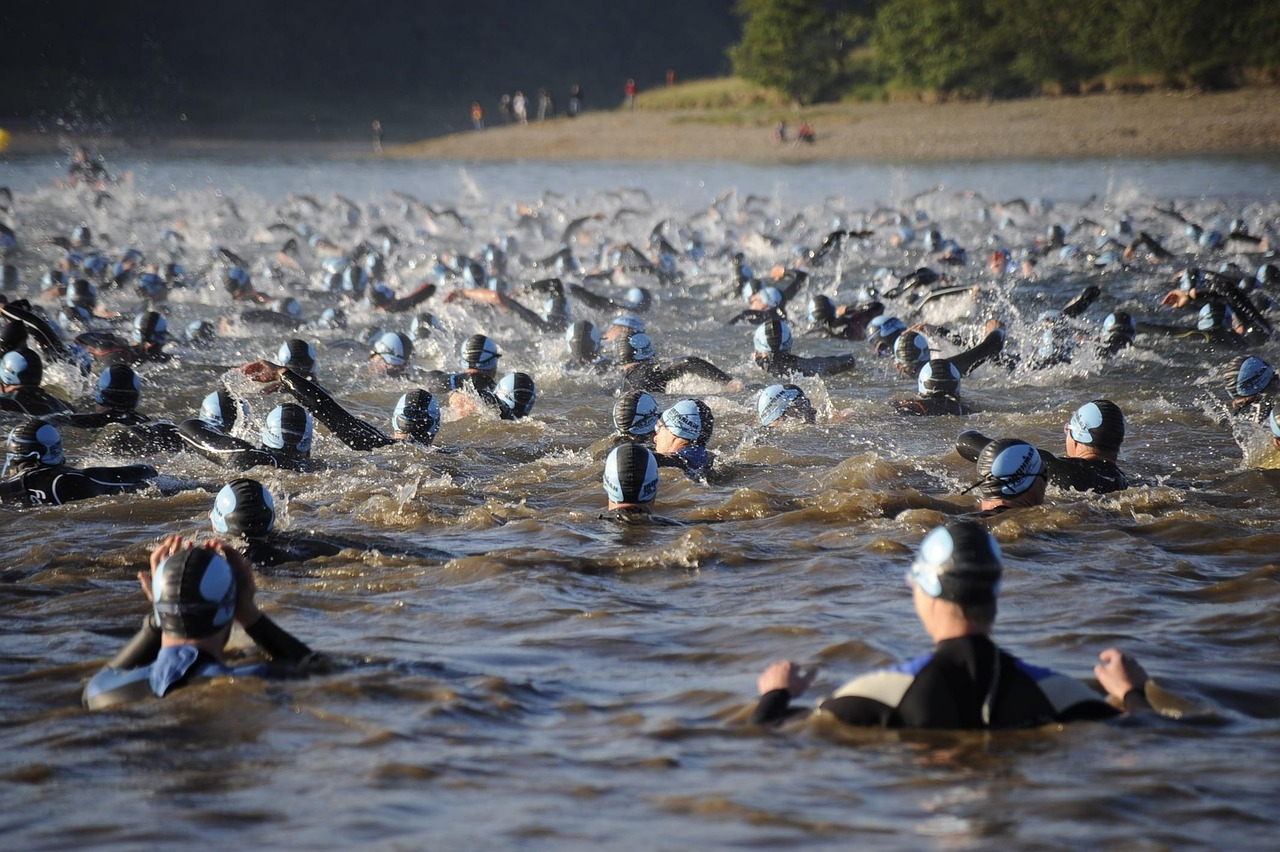
The swim-to-bike transition, often dubbed T1, requires unique focus on specific skills for age group triathletes. Athletes will need to develop a strategy for getting out of the water quickly. This includes the ability to remove goggles and swim caps swiftly while applying skills such as remembering to locate their bike quickly. Practicing these elements before a race can alleviate stress and confusion during an actual event. It’s also worthwhile to explore a few running drills in the training regimen, focusing on the transition from swimming to biking, as the shift involves changing heart rates and mental states. Age group athletes can enhance their effectiveness by placing their gear strategically and organizing all items to streamline their efforts. The more familiar and prepared they feel, the faster they can transition and regain composure while gearing up for the bike segment. Incorporating T1 practice runs into regular workouts allows athletes to solidify their plans, minimizing emotions like nervousness or anxiety. By honing these skills, age group triathletes set themselves up for a robust performance throughout the remainder of their race.
Maximizing the Cycle to Run Transition
The bike-to-run transition, known as T2, poses its own challenges, notably after pedaling for significant distances. Age group athletes often face fatigue and discomfort, which can affect performance. To combat this, athletes should focus on a few key elements during their transition. This includes leg turnover drills to prepare muscles for the shift from biking to running. Before an event, practice lowering the bike into transition racks and ensuring all gear is in place. Setting up shoes for ease of entry can lessen wasted time. Hydration is equally crucial; staying well-hydrated ensures muscle readiness and reduces cramping risks. It may also help to plan a simple warm-up run prior to the event, which can further prepare the body for the transition phase. Avoiding mistakes like lingering in T2 or failing to expect fatigue will enhance performance, so preparation is essential. Efficiently moving from the bike to running shoes can help age group athletes post-record times and ensure they feel rejuvenated for their final leg of the triathlon. This transition often proves pivotal for not just speed, but overall enjoyment of the race.
Moreover, practicing mental techniques during transitions is instrumental for age group triathletes aiming for faster race times. The mental aspect of transitioning cannot be disregarded, as mental hurdles frequently impede peaking athletic performance. Visualization should involve picturing each transition—where to rack the bike, how to swiftly remove footwear, how to maintain focus—and it can pave the way for smoother races. Additionally, mindful training during transitions can help athletes to embrace discomfort and develop resilience. Understanding that both the swim and bike components can lead to fatigue is vital for effective navigation during transitions. The emphasis on remaining calm and focused is key; age group athletes must remind themselves to control their breathing throughout each segment. Bringing self-assurance will dismantle doubts that may arise during transitions. One effective method of addressing this is by practicing transitions under pressure, replicating real race conditions. Athletes can practice with timers to track effectiveness, creating a friendly competition within their training groups. Reflections and friendly feedback can boost morale and create community, pushing each athlete towards maximizing their transitions.
Utilizing Technology and Gear
In today’s competitive scene, tech-savvy age group triathletes should consider leveraging the advantages of wearable gadgets to enhance their transition performance. Devices like smartwatches and GPS tracking can provide real-time feedback, allowing athletes to evaluate their efficiency after practice sessions. These gadgets monitor metrics such as heart rate, pace, and even the time spent in transitions, enabling athletes to adjust their strategies accordingly. Additionally, specialized transition gear, such as quick-drying tri-suits or slip-on shoes, streamlines the process and helps save precious seconds. Studies suggest that investing in gear tailored for transitions can pay off significantly during actual races. When selecting equipment, athletes must prioritize comfort and functionality, ensuring that high-quality options are part of their training. Also, experimenting with gear changes during training rather than waiting for race-day can prevent unexpected hiccups. Familiarity with gear logistics can lead to minimizing stress and maximizing fluidity during transitions. By combining technology and thoughtful gear selection, age group triathletes can elevate their transitions while contributing to a more enjoyable racing experience.
Finally, the journey of improving transitions should be an ongoing commitment for age group triathletes. The pursuit of mastery in swim-to-bike and bike-to-run transitions requires consistent dedication and practice across training blocks. Athletes should explore different strategies to identify what aligns with their unique strengths and weaknesses best. Attending clinics or workshops focused on transitions could provide valuable insights and innovative techniques. Engaging with fellow triathletes will foster motivation and introduce varied approaches to transitions. Also, considering personal feedback from similar experiences will be beneficial for continual progression. As athletes refine their methods over time, they increase not only their speed but also their confidence in transition performance. Comprehensive training and dedicated practice yield fruitful results on race day, delivering a more pleasurable experience while crossing the finish line. In conclusion, efficient transitions are fundamental for age group triathletes, influencing both their enjoyment and outcomes. Committing to ongoing learning and practicing transitions will serve as cornerstones for future successes in triathlon.