
The Psychological Benefits of Self-Myofascial Release in Stress Reduction
Self-myofascial release (SMR) presents numerous psychological benefits, particularly in stress reduction. Using techniques such as foam rolling, individuals can alleviate muscle tightness effectively. Stress often manifests itself physically and mentally, contributing to reduced well-being. By engaging in SMR, one can break the cycle of tension, promoting relaxation. Enhanced blood flow is crucial during SMR, which delivers oxygen and nutrients to muscles, aiding recovery. Increased circulation can positively impact mood and lessen anxiety. By focusing on breathing and rhythm, individuals enhance their mind-body connection, allowing for emotional regulation. Regular practice may improve mindfulness, teaching awareness of both body and emotions. SMR also encourages the release of endorphins, the body’s natural mood boosters. Physical discomfort often triggers stress responses; thus, alleviating this discomfort directly influences mental wellness. Finding relief through SMR can lead to improved sleep patterns, further enhancing overall mental health. Cognitive clarity is gained, as reduced physical discomfort allows for better concentration and focus. Consequently, integrating SMR into daily routines might contribute to a more balanced life, reducing stress and improving mental clarity.
Practicing self-myofascial release not only aids in physical recovery but significantly enhances mental resilience. By targeting specific muscle groups, individuals often unlock physical and emotional barriers that contribute to stress. Engaging in SMR allows for a deeper understanding of one’s body, promoting a holistic approach to well-being. This approach fosters a sense of empowerment as individuals take control of their physical and psychological health. The rhythmic motions associated with SMR facilitate a calming effect, often described as meditative. As the mind relaxes, the body follows suit, creating a harmonious balance essential for stress reduction. Incorporating SMR into a self-care regime can foster a consistent practice of relaxation, vital in today’s fast-paced environment. Furthermore, this practice encourages individuals to set aside time for themselves, enhancing self-awareness. Individuals may even notice improved interpersonal relationships as they navigate life’s stresses more effectively. Learning to manage stress through mindful practices can lead to better coping strategies for life’s challenges. Ultimately, the psychological benefits of SMR create a ripple effect, enhancing not only individual well-being but also positively impacting those around them.
Understanding Stress and Its Effects
Stress is an inevitable aspect of life, manifesting itself in various forms that significantly elevate cortisol levels. Chronic stress can lead to numerous health issues, including anxiety and depression. In understanding the psychological impact of stress, it becomes evident that managing this feeling is essential for overall health. Prolonged stress can cause physical symptoms such as headaches and digestive issues due to tension. This tension often leads individuals to seek relief through various methods, including therapy, medication, or physical practices like SMR. It is important to acknowledge that everyone experiences stress differently, which affects response strategies. Smarter coping mechanisms that promote relaxation and reduce tension are vital for maintaining mental stability. Recognizing personal stressors is the first step toward effectively managing stress responses. Many individuals find that practices like SMR help them tune into their bodies and understand their unique reactions to stress. By incorporating tactile awareness through self-myofascial release, individuals can foster a stronger connection between body and mind, ultimately improving their psychological resilience against stress. This recognition and understanding facilitate the journey towards better mental health.
Additionally, the act of self-myofascial release aligns perfectly with cognitive behavioral techniques aimed at minimizing stress responses. Engaging in physical activity has a proven track record of enhancing mood through endorphin release, and SMR is no exception. An essential aspect of this practice is the ability to focus solely on the sensations experienced during release, creating a meditative state that allows individuals to process thoughts and emotions effectively. Increased body awareness enables people to identify tension areas, facilitating ongoing stress management. Implementing SMR into a self-care routine acts as a proactive measure against stress, helping individuals stay grounded amidst chaos. Studies indicate that integrating physical therapies reduces the psychological burden associated with stress. Therefore, using SMR not only aids in muscle recovery but also significantly contributes to emotional well-being. Regular incorporation of this technique into daily routines enhances resilience, leading to healthier coping strategies in both personal and professional realms. A commitment to self-care practices strengthens overall mental health, resulting in decreased levels of stress and increased feelings of contentment, allowing for a more fulfilling life experience.
Building a Routine
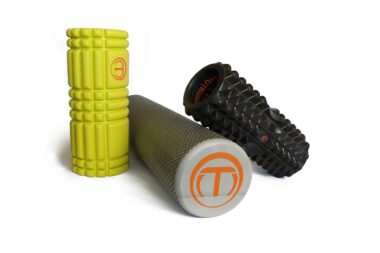
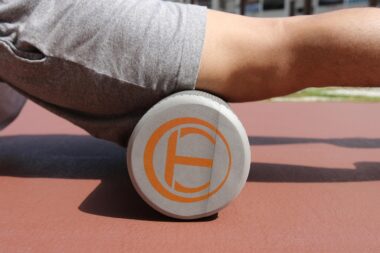
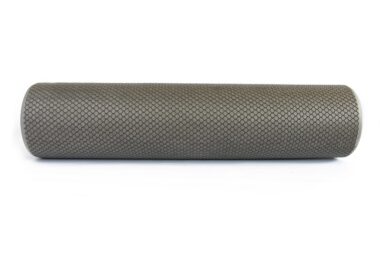
Creating a consistent routine that includes self-myofascial release can solidify its psychological benefits over time. Establishing a daily practice encourages discipline and commitment towards personal wellness. By dedicating even a few minutes daily for SMR, individuals can cultivate a powerful habit that enhances resilience against stress. Setting aside time, perhaps in the morning or evening, provides an opportunity for individuals to check in with themselves mentally and physically. This practice encourages the creation of a safe and peaceful space, where stress gradually dissipates. Gradual progression within SMR practice is essential as discomfort fades, allowing users to explore deeper techniques over time. Furthermore, utilizing tools such as foam rollers or massage balls increases the effectiveness of SMR, making it easier to access tension points. It is vital to tailor the routine based on individual preferences and needs to achieve optimal results. Incorporating aromatherapy or soothing music further enhances the experience, turning SMR into a holistic ritual conducive to mental restoration. Ultimately, a solid routine establishes a foundation for enduring psychological benefits, thus harnessing the full potential of self-myofascial release.
In addition to establishing a routine, tracking progress in self-myofascial release practice can enhance psychological benefits. Keeping a journal allows individuals to note emotional shifts, leading to greater self-awareness. This documentation fosters an understanding of how SMR affects personal moods and stress levels. Each entry can highlight feelings before and after each session, providing insights into individual responses. By observing these patterns, adjustments to the routine may be made, optimizing the practice further. Visualizing improvements creates a sense of achievement, encouraging continued dedication to SMR. Besides journaling, sharing experiences with supportive communities can increase accountability and motivation. Engaging with others could lead to discovering new techniques beneficial for stress reduction. Understanding that many individuals face similar challenges can provide comfort and reassurance during stressful times. As relationships cultivate within these communities, mutual growth enhances personal resilience against stress. Hence, combining self-reflection and community support can establish an empowering environment that significantly contributes to psychological benefits. Ultimately, the journey towards mental well-being is enhanced when individuals embrace the process of self-myofascial release alongside emotional support.
Conclusion and Continued Growth
In conclusion, the psychological benefits of self-myofascial release play a critical role in stress reduction and overall mental health enhancement. By emphasizing the importance of self-care practices, individuals empower themselves to manage life’s complexities efficiently. Recognizing that physical and psychological health is interconnected fosters a holistic approach to well-being. Engaging in self-myofascial release contributes significantly to emotional regulation and resilience against tension. Individuals who prioritize SMR within their routines often experience enhanced moods, improved focus, and better coping mechanisms. It is essential to encourage the practice of SMR not only as a physical recovery tool but also as a vital psychological resource. Continued growth in self-awareness strengthens the mental benefits derived from this practice. As individuals cultivate deeper connections between body and mind, they discover innovative methods for coping with stress. Consequently, the journey towards holistic well-being becomes a continuous path of self-discovery. In this chaotic world, self-myofascial release offers an avenue through which individuals can reclaim control over stress and enhance their mental wellness. Regular practice could very well lead to a transformative experience worth cultivating.
To live a balanced life, integrating practices like self-myofascial release not only enhances physical health but helps in forming a supportive framework for mental resilience. In the busy rhythm of modern existence, allowing time for SMR could lay the groundwork for emotional stability. Finding moments to center oneself during tension can lead to an overall enhancement in quality of life. Through ongoing practice, individuals may find that stress no longer controls their decisions but rather their actions reflect a balanced responses to life’s demands. Self-myofascial release deserves recognition as an invaluable technique that addresses the subtle intertwining of body and mind, marking its significance in contemporary wellness approaches. Furthermore, as awareness grows, more practitioners can benefit from translating these insights into various therapeutic contexts. Overall, self-myofascial release provides an avenue toward improving not just the individual’s psychological well-being but also serves to enhance interpersonal relationships, creating a ripple effect of positive change. Therefore, embracing techniques like SMR is vital, as they offer a path towards healthier living and emotional strength, generating a profound impact on the quality of life.