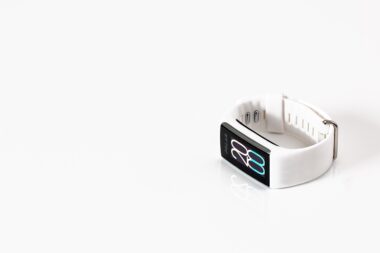
Wearable Sensors for Measuring Player Movement and Speed in Team Sports
In recent years, wearable sensors have revolutionized the way teams monitor players’ performance during training and matches. These devices provide critical data regarding player movement, speed, and overall physical exertion. Athletes engage in sports that require precise measurements to enhance their skills and prevent injuries effectively. By utilizing state-of-the-art technology, coaches and sports scientists can gather vital insights from data analytics. This article discusses the key benefits of wearable sensors specifically designed for team sports. Being able to analyze dynamic movements continually can assist teams in developing tailored training regimes. These advancements allow for more personalized coaching and strategic planning as they can adapt to players’ strengths and weaknesses. Integrating wearables into a training routine presents a unique opportunity to improve performance metrics and recovery rates. As competition becomes fiercer, teams need every possible advantage. Notably, these devices are lightweight and unobtrusive, making them ideal for most sports environments. Additionally, modern sensors often come equipped with GPS capabilities, enhancing data accuracy. This seamless integration helps cultivate both individual and team success.
The Evolution of Wearable Technology in Sports
The evolution of technology in sports, particularly wearables, has been a game-changer. Early devices were simple tools that recorded basic metrics like distance run or heart rate. Over time, advancements in miniaturization and sensor accuracy have allowed for sophisticated tracking systems that gather extensive data on player movements. Today, wearable technology uses a combination of GPS, accelerometers, and gyroscopes. This multi-faceted approach enables an unprecedented understanding of player dynamics in team sports. Modern wearables can analyze various metrics, such as speed, direction, acceleration, and fatigue levels. Coaches use this data to make informed decisions, tailoring training sessions and strategies. Examples include tracking a soccer player’s sprint speed and distance covered during a match. Not only does this monitor performance, but it also aids in injury prevention by indicating overexertion or risk factors. Coaches and athletes alike appreciate the visual representations of data, which inform them of adjustments needed to enhance performance. As the technology continues to develop, we can expect new innovations that further enhance athlete insight and team strategies. Continuously improving these devices will likely redefine athletic training.
Data from wearable sensors significantly enhances our understanding of player performance. Utilizing these devices on the field reveals intricate details about how players engage with their surroundings and each other. This level of analysis is critical, especially in team sports where coordination and timing are essential. Therefore, coaches can identify trends involving both movement efficiency and skill execution. For instance, a player who frequently sprints but lacks directional agility may need a focused training program. Wearable sensors can capture this data by providing real-time feedback during practices and games. Athletes can quickly adjust their techniques, leading to immediate improvements. These sensors also monitor recovery rates post-activity, ensuring players minimize injury risks. Furthermore, integrating analytics software alongside these wearables provides a comprehensive analysis. Teams can track individual player data against overall team performance metrics. Leveraging this information, players can receive specific coaching tailored to enhance their skills. In a competitive environment, having such insights enables teams to strategize effectively against opponents. This approach fosters a culture of continuous improvement and maximizes athletes’ potential both on and off the field. Adopting wearable technologies is crucial in developing top-tier sports performance.
Key Features of Wearable Sensors
Modern wearable sensors boast a range of features that make them essential for monitoring player performance. The integration of GPS technology is significant, allowing for precise tracking of player position on the field. By combining GPS data with inertial sensors, teams can analyze not only distance covered but also speed and acceleration patterns. These metrics are invaluable during games, offering insights that were previously unattainable. Additionally, many wearables include heart rate monitors that record athletes’ physiological responses throughout activities. By keeping an eye on heart rates during training and games, coaches can establish exertion levels and monitor athletes’ overall health. Another remarkable feature is the ability to store and transmit data to cloud systems. Coaches can analyze performance trends over various time frames, helping in long-term planning. Furthermore, wearable devices come with user-friendly interfaces, allowing athletes to access real-time data easily. This immediate feedback loop facilitates quick adjustments in strategies and techniques. As technology advances, these wearables are becoming more affordable and accessible for teams at all competitiveness levels. Investing in wearables today can yield significant performance gains in the future.
The benefits of implementing wearable technology extend beyond individual metrics, fostering enhanced team dynamics. When every player utilizes a wearable sensor, coaches gain a holistic view of team performance. They can track collective patterns instead of focusing solely on one athlete’s data. This aggregated information informs team strategies, ensuring every player complements team objectives. For example, identifying a player’s role within a formation becomes easier with precise data on movement efficiency and speed. Such insights drive adaptations in tactics, such as positioning and lateral movements. Moreover, wearables contribute to improving communication between coaches and players. They can facilitate tailored feedback based on performance data received during games. This collaboration ensures that players understand their roles better and can execute game plans more effectively. Additionally, integrating wearables into team culture promotes accountability among players, as everyone tracks performance metrics. They realize that their actions directly impact the team’s success. Consequently, this fosters a competitive spirit within the team. The teamwork cultivated through wearables creates an environment focused on collective achievement. This alignment between individual efforts and team goals significantly enhances overall performance.
Challenges and Considerations
While the integration of wearable technology offers numerous advantages, it also presents challenges. One major concern is the reliability of the data collected. Wearable sensors are not infallible; inaccuracies can arise from environmental factors or technical failures. Teams must invest time in choosing high-quality devices as well as regularly calibrating them to ensure accurate readings. Another challenge is athletes’ acceptance of wearables, as some may find them intrusive or uncomfortable. It’s vital for coaches and organizations to foster an understanding that these devices serve a greater purpose. Players need to see wearables as supportive tools that enhance their training and performance. Moreover, managing the sheer volume of data generated can be overwhelming. Teams must implement effective data analysis methods to extract actionable insights from the noise. Data overload may lead to misinterpretation, adversely affecting training approaches. To navigate these challenges, education plays a key role. Providing training on how to effectively use this technology can empower both players and coaches. Cultivating a culture of learning and adaptation will maximize the benefits of wearable technology in enhancing performance.
As teams worldwide embrace wearable technology, it is clear that the future of sports performance lies within measurable data. Upcoming trends aim to refine this technology further and expand its applications in various sports. Emerging wearables incorporate artificial intelligence and machine learning algorithms to analyze performance data intelligently. These advancements will provide teams with predictive insights, helping to anticipate players’ responses during games. As manufacturers introduce more compact designs, athletes will experience less obstruction during gameplay. Furthermore, the future may see broader uses beyond performance tracking. For instance, wearables could monitor mental states and fatigue levels, allowing teams to devise strategies that foster mental resilience alongside physical training. Additionally, increased connectivity through mobile applications will enable instant data sharing and accessing performance metrics. As teams leverage insights facilitated by wearables, we can expect improved athlete welfare, including injury prevention and recovery plans. This combination of physical and mental awareness will further boost competitive performance. With advancements in technology accelerating, teams that invest in these innovations can expect to emerge as leaders in their fields. Staying ahead of technological trends ensures not just a competitive edge, but also contributes to the evolution of team sports.